What is a 100 Ton Hydraulic Cylinder and How Does it Work?
A 100 Ton Hydraulic Cylinder is a powerful device used in various industries. Its primary function is to generate immense force through hydraulic pressure. Understanding how this mechanism works is essential for many professionals.
Hydraulic cylinders are highly efficient and reliable. They consist of a piston that moves inside a cylinder. When hydraulic fluid enters the cylinder, it creates pressure that pushes the piston. This movement is what allows machines to lift heavy loads effortlessly. A 100 Ton Hydraulic Cylinder can lift weights equal to several cars combined, showcasing its strength.
The design of a hydraulic cylinder is critical for its performance. Materials used must withstand high pressure and stress. Regular maintenance is important to ensure longevity. Observing wear and tear can prevent failures. However, many operators overlook minor signs, which can lead to significant issues later. Understanding the mechanics and maintaining these cylinders is essential for safety and productivity in industrial settings.
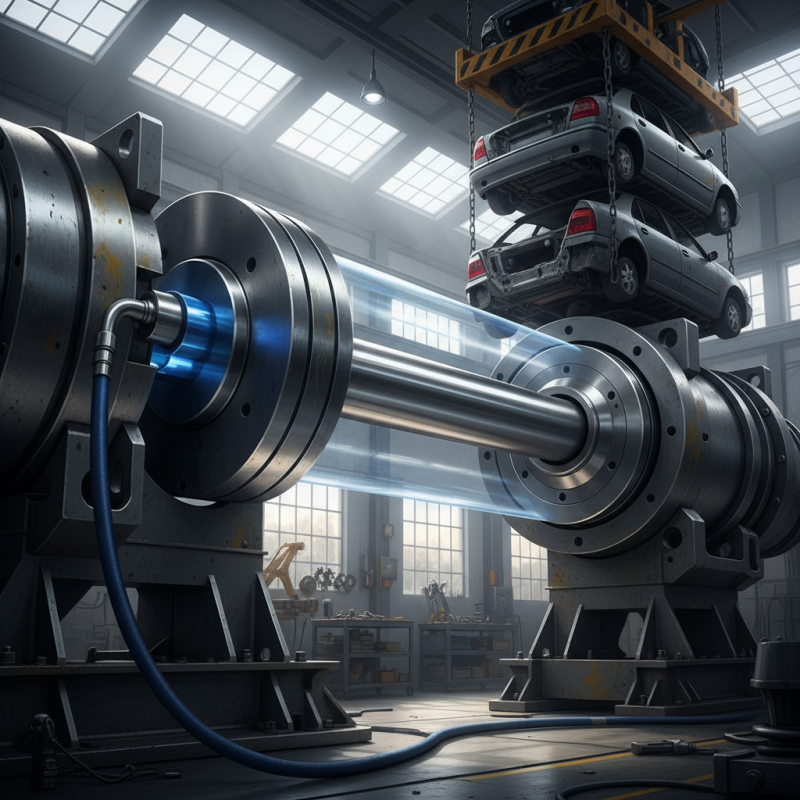
What is a 100 Ton Hydraulic Cylinder?
A 100-ton hydraulic cylinder is a powerful tool widely used in industrial applications. These cylinders can lift or move heavy loads with remarkable efficiency. They apply Pascal’s principle, which states that pressure applied to a confined fluid is transmitted equally in all directions. This mechanism allows them to generate substantial force while maintaining a relatively compact size.
In terms of specifications, a 100-ton hydraulic cylinder typically has a bore diameter of around 6 to 12 inches. The stroke length can vary, commonly ranging from 12 to 36 inches. Proper maintenance is crucial. Industry reports indicate that regular inspections can enhance the lifespan of these cylinders by up to 30%. With the right care, they achieve impressive performance levels.
The applications for these hydraulic cylinders include construction, metal forming, and automotive repair. However, not all operations are seamless. Issues such as leakage and hydraulic fluid degradation can arise, requiring prompt attention to avoid costly downtime. Industry studies highlight that nearly 20% of hydraulic system failures stem from improper maintenance practices. Understanding the components and potential challenges of hydraulic systems is essential for users to optimize performance and ensure safety.
Key Components of a Hydraulic Cylinder
A 100-ton hydraulic cylinder is a remarkable piece of machinery. Understanding its key components is crucial for anyone involved in heavy lifting tasks.
The cylinder itself is the heart of the hydraulic system. It consists of a strong steel casing that withstands immense pressure. Inside, the piston moves up and down, powered by hydraulic fluid. This movement generates an impressive force. Seals ensure the fluid remains contained and minimizes leakage.
Other critical components include the hydraulic pump and control valves. The pump moves fluid through the system, creating pressure. Control valves manage the flow of hydraulic fluid, allowing for precise movements. Each part must work effectively together; otherwise, efficiency declines. Small imperfections can lead to larger issues, highlighting the importance of regular maintenance and inspection.
How Hydraulic Pressure Generates Force in a Cylinder
Hydraulic pressure plays a crucial role in the operation of a 100-ton hydraulic cylinder. The fundamental principle involves the transmission of force through a confined fluid, typically oil. When the fluid is pressurized, it exerts an equal force in all directions, adhering to Pascal's Law. This characteristic is vital in lifting heavy loads. A 100-ton hydraulic cylinder relies on this principle to generate significant lifting capacity with minimal input power.
Recent industry reports indicate that hydraulic systems can achieve efficiency rates exceeding 90% under optimal conditions. This efficiency makes hydraulic cylinders a preferred choice in various sectors, including construction and manufacturing. The conversion of hydraulic pressure into mechanical force can be precisely controlled, allowing for smooth and accurate movements essential in heavy operations. However, variations in fluid viscosity and pressures can affect performance.
Maintaining a hydraulic system is not without challenges. Contaminants in the fluid can lead to reduced efficiency, requiring regular maintenance. Additionally, operators must be cautious of potential pressure fluctuations that could compromise safety. Even with advanced technology, limitations exist. Cycle times might vary, and reliance on hydraulic fluid presents environmental concerns. These factors highlight the need for ongoing evaluation and innovation within the hydraulic industry.
What is a 100 Ton Hydraulic Cylinder and How Does it Work?
| Dimension | Specification |
| Maximum Load Capacity | 100 Tons |
| Bore Diameter | 6 inches (150 mm) |
| Rod Diameter | 3 inches (75 mm) |
| Stroke Length | 48 inches (1200 mm) |
| Operating Pressure | 3500 PSI (241 bar) |
| Cylinder Type | Double Acting |
| Material | Steel |
| Weight | 600 lbs (272 kg) |
Applications of 100 Ton Hydraulic Cylinders
100-ton hydraulic cylinders are essential in various industries, providing immense lifting and pushing force. They are pivotal in construction, manufacturing, and automotive sectors. A report by the American Society of Mechanical Engineers (ASME) indicates that hydraulic systems account for about 30% of operational efficiency improvements in heavy machinery.
In the construction industry, these cylinders are used for lifting heavy beams and structures. The civil engineering sector benefits from their ability to handle immense loads safely. For instance, during bridge operations, hydraulic cylinders play a crucial role. They help position large concrete segments with precision. According to a study by the International Federation of Hydraulic Engineering, hydraulic cylinders can lift up to five times their weight when utilized correctly.
In the manufacturing sector, these cylinders assist in metal forming processes. They provide the force needed for punching, bending, and cutting materials. An industry report suggests that companies realize a 25% increase in productivity when integrating advanced hydraulic cylinders. While effective, projects must consider potential risks. Improper use can lead to failures, making operator training essential. Effective maintenance practices are equally important to ensure reliability and safety.
Maintenance and Safety Considerations for Hydraulic Cylinders
Hydraulic cylinders, particularly 100-ton models, require careful maintenance to ensure safety and reliability. Regular inspection of seals and hoses is crucial. Small leaks can lead to significant failures over time. Operators should also monitor the hydraulic fluid level and quality. Contaminated fluid can cause internal damage, compromising performance. Keeping a log of maintenance activities helps in identifying patterns and addressing issues early on.
Safety is paramount when working with hydraulic systems. Operators must wear appropriate personal protective equipment (PPE). Understanding the system's pressure ratings is critical. Overloading the cylinder can cause catastrophic failures. Training sessions on handling hydraulic equipment should be mandatory. Everyone on the team must comprehend the risks involved.
In addition, it’s essential to create a clear protocol for emergency situations. Accidents can happen, even with registered training. Be prepared to react swiftly when necessary. Regular drills and reviews of safety procedures can improve response times. Encouraging a culture of safety awareness promotes a proactive approach. This ongoing focus can minimize risks and enhance overall efficiency.