2026 Top Power Bank Rental Business Opportunities
By 2026, the Power Bank Rental Business is less about placing chargers everywhere and more about matching stations to real moments of need. A traveler watches a battery bar turn red beside a crowded gate. A diner needs maps after leaving a café. These ordinary scenes explain the service better than broad promises. Sharing-economy expert Rachel Botsman’s observation, “The currency of the new economy is trust,” offers a useful lens. Users need working batteries, visible prices, simple returns, and confidence that payments will be handled clearly. Small details matter. A jammed slot or unclear fee can undo the convenience.
The strongest opportunities may sit in airports, transit hubs, shopping districts, campuses, hotels, and event venues, where people spend time away from outlets. Each location has different rhythms. A campus may see weekday peaks; a concert venue can experience sharp demand before and after a show. Operators must test placement, rental duration, replenishment routes, device compatibility, and repair procedures before expanding. More stations do not automatically mean better returns. Low-use kiosks still need attention, while heavily used units can run short at the wrong hour. Placement matters. The business is operational, not merely digital. Reliable software helps, but field service keeps the promise real. There is no perfect rollout; local habits can surprise even experienced teams. This guide examines practical 2026 opportunities, key costs, partnership models, and the operating choices that separate a useful network from scattered hardware.
What Power Bank Rental Businesses Are and How They Work
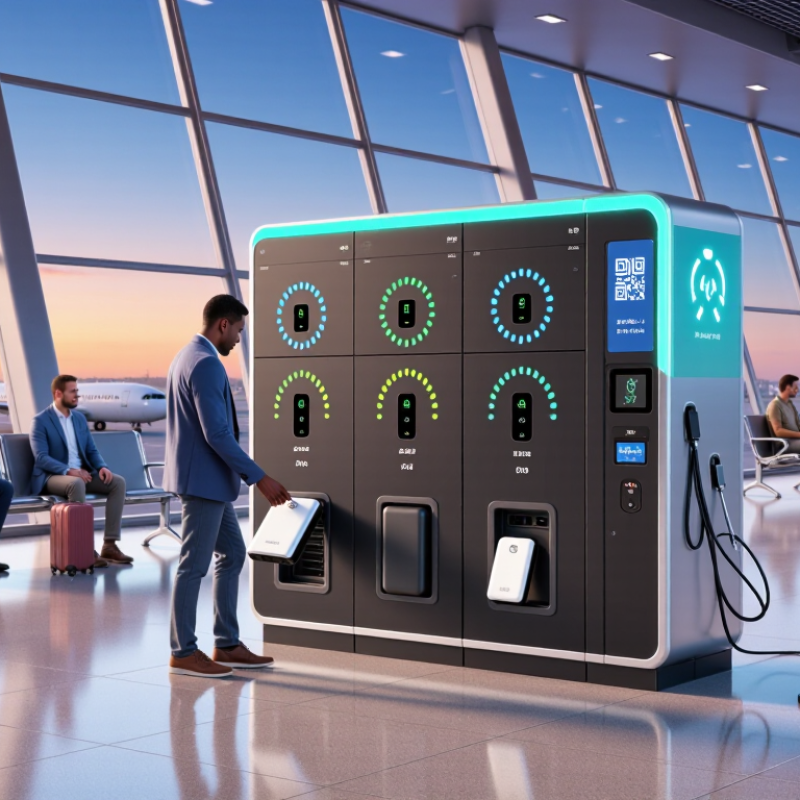
A power bank rental business provides portable batteries through self-service stations in places where people may run low on charge, such as airports, cafés, and shopping centers. Customers scan a station’s QR code, choose a rental, and take a charged power bank. They return it to a compatible station, often at a different location. Payment is usually time-based, though pricing and deposits vary by operator.
The process looks simple. Operations are not. Staff must keep stations stocked, test returned batteries, and respond when a unit fails or a station is full. Grand View Research valued the global power bank market at about US$13.4 billion in 2023, but that figure covers power banks broadly; it does not prove rental demand or profitability. GSMA’s 2024 Mobile Economy report estimated 5.6 billion unique mobile subscribers worldwide in 2023, showing the scale of mobile use, not the size of the rental market. For a new operator, location-level trial data matters more: track rentals per station, return rates, downtime, and repeat use. A busy venue can still disappoint if customers cannot find a return point. That part is easy to underestimate.
How the 2026 Rental Market Is Changing
In 2026, power bank rental is moving beyond fixed kiosks in a few busy locations. Operators are testing smaller stations in cafés, transit hubs, shopping areas, and event venues. A station near a café register may serve lunch crowds, while one by a train entrance sees sharper morning and evening peaks. Demand is uneven. Placement matters more than a large station count.
The business model is changing too. Some operators now assess locations by return rates, repeat use, and time-of-day demand, not just foot traffic. Usage records can help reveal when a station needs more charged units or a technician visit. But data can mislead when a festival or rainy weekend distorts normal patterns. That matters. Rental fees and deposit processes also need to feel clear on a small phone screen, especially for first-time users.
Equipment choices are becoming more operational. Compact stations fit narrow shop floors, but limited capacity can leave customers waiting during busy periods. Clear return instructions reduce confusion, while routine checks catch loose cables, damaged ports, and depleted units. The less visible work is often the hardest: redistributing batteries between locations without disrupting staff. Forecasts can still be wrong, and some sites may never earn enough repeat use. Operators need room to adjust placements, pricing, and service schedules as real customer behavior becomes clearer.
Where Power Bank Rental Demand Is Growing
2026 Top Power Bank Rental Business Opportunities
Where Power Bank Rental Demand Is Growing
Demand is most visible where people travel, wait, and rely on phones for directions, tickets, and payments. Airports, rail hubs, shopping districts, campuses, and festivals are natural places to test rental stations. A traveler with 8% battery needs power now, not another device to own. UN Tourism reported 1.4 billion international tourist arrivals in 2024, reaching 99% of 2019 levels. This is a useful signal of returning mobility, not proof of rental demand. Local research still matters.
GSMA’s Mobile Economy 2024 estimated 5.6 billion unique mobile subscribers worldwide in 2023 and forecast 6.3 billion by 2030. More connected people mean more moments when a dead phone becomes inconvenient. Dense venues can capture those moments, especially near food courts, transit gates, and event exits. But location alone will not guarantee repeat use. Customers may walk past if prices are unclear, docks are empty, or returns feel difficult. Track rentals per station, peak-hour stockouts, repeat use, and return delays before expanding. These are unglamorous numbers. They can reveal whether demand is durable.
Business Models, Costs, and Revenue Sources
A power bank rental business can use a venue-share model, where cafés, stations, or event spaces host charging kiosks and receive part of each rental fee. This reduces the operator’s need to lease locations, but revenue depends on foot traffic and clear kiosk visibility. An owned-location model offers more control and keeps more rental income, while requiring direct agreements, installation, and regular visits. Margins matter.
Costs extend beyond buying power banks and kiosks. Operators should budget for payment processing, mobile software, connectivity, customer support, cleaning, and replacement units. A busy station may need frequent restocking; a small café may not. Devices also disappear or return damaged, so loss rates should be tracked by location. That adds up. Pilot a few sites before committing to a large fleet, and record rentals per device, return times, and service hours.
Revenue can come from hourly or daily rental fees, monthly access plans, and venue contracts. Some operators may offer paid placement or local advertising on kiosk screens, where permitted and useful to visitors. Forecasts should use observed rental activity, not optimistic footfall estimates. For example, a kiosk near a café entrance may see strong weekend use but weak weekday demand. One awkward lesson: a high-traffic site can still underperform if guests cannot find the kiosk or understand the return process. A modest trial often reveals that sooner.
2026 Power Bank Rental Business Opportunities: Illustrative Monthly Unit Economics
Example monthly economics for one station: 1,200 rentals at $1.50 each, plus estimated advertising and partner income. Operating costs are illustrative; contribution is revenue minus costs. Actual results vary by utilization, location, pricing, and operating model.
Technology, Regulations, and Operational Challenges
In 2026, power bank rental can work well in places where people pause with low batteries: cafés, transit halls, clinics, and event venues. The technology looks simple. It is not always simple. Stations need reliable charging contacts, clear rental instructions, and software that reports availability accurately. A screen showing six banks can frustrate customers if five are empty. Operators should test returns, payment flows, and network outages before expanding. Small failures matter.
Regulations vary by location, so operators need to check rules for electrical safety, consumer disclosures, data handling, and equipment placement with qualified local advisers. Requirements can change. That uncertainty deserves a budget. Day-to-day operations bring their own friction: damaged cables, misplaced units, cleaning schedules, and uneven demand between busy weekends and quiet weekdays. Staff need a practical way to inspect stations and report faults, not just a dashboard. Keep spare equipment nearby. Track repair times and repeat complaints. I would also question optimistic usage forecasts; a crowded venue does not guarantee frequent rentals. A modest pilot can reveal whether customers actually notice the station, understand the price, and return banks reliably.