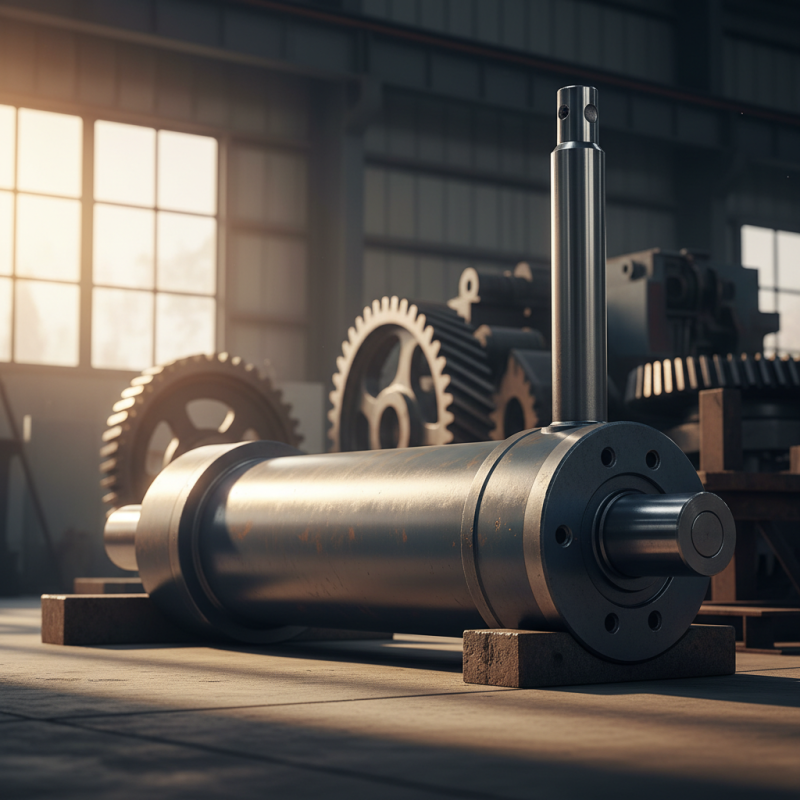
2026 Top 100 Ton Hydraulic Cylinder Buying Guide?
Choosing the right equipment is vital for industrial operations. A 100 Ton Hydraulic Cylinder plays a crucial role in various applications, from construction to manufacturing. Understanding its characteristics helps in making informed decisions.
Not every hydraulic cylinder is created equal. Factors like size, capacity, and material can significantly impact performance. Proper selection ensures safety and efficiency. However, many buyers overlook essential details, leading to costly mistakes.
Our guide aims to empower you with expert knowledge. We'll explore top choices in the market, and highlight their strengths and weaknesses. With careful consideration, you can find the ideal 100 Ton Hydraulic Cylinder for your needs.
Understanding Hydraulic Cylinder Specifications and Performance Metrics
When selecting a top 100 ton hydraulic cylinder, understanding specifications is vital. Key metrics include bore size, stroke length, and working pressure. For instance, larger bore sizes directly influence lifting capability. A cylinder with a 6-inch bore can generate over 30 tons of force with only 1,000 PSI pressure. This indicates how hydraulics rely on geometry for performance.
Performance metrics also cover cycle times and fluid compatibility. Reports show that cylinders using high-quality seals can reduce wear by more than 20%. However, inadequate lubrication often leads to premature failures. The efficiency of a hydraulic system is also affected by hydraulic fluid properties. Using low-viscosity fluids can enhance performance but may introduce risks during extreme conditions.
When evaluating options, consider the material construction. Steel cylinders provide strength, but lighter aluminum models can improve maneuverability. Finding the right balance between durability and weight might not be straightforward. An experienced operator should look at real-world applications. Industry data highlights that 15% of failures in hydraulic systems are traced back to mismatched specifications. This underlines the importance of careful selection and thorough understanding.
2026 Top 100 Ton Hydraulic Cylinder Performance Comparison
Key Factors in Selecting a Top 100 Ton Hydraulic Cylinder for Your Needs
When selecting a top 100-ton hydraulic cylinder, key factors play a crucial role. One significant aspect is the cylinder's construction material. Steel alloys provide a strong, durable option, while aluminum offers lightweight benefits. Data indicates that materials can impact performance by up to 30%. Choosing the right material is essential for both strength and weight optimization.
Another critical factor is the bore and stroke dimensions. Accurate measurements ensure effective power transfer and operational efficiency. Reports show that improper sizing can lead to a 15% decrease in lifting capabilities. Additionally, consider the hydraulic fluid used; it can affect system compatibility, efficiency, and even longevity. Many users overlook the importance of fluid selection.
Lastly, evaluate the manufacturer's track record. Companies with a strong reputation tend to offer greater reliability and support. A survey of industry professionals suggests that 70% prioritize manufacturers with proven histories. Investing time in research can lead to better outcomes. Making an informed decision enhances safety, efficiency, and the lifespan of your hydraulic cylinder.
Industry Trends: Innovations in Hydraulic Cylinder Technology for 2026
Hydraulic cylinder technology is evolving rapidly as we approach 2026. The industry is seeing innovations aimed at improving efficiency and safety. Manufacturers are focusing on lightweight materials to enhance mobility without sacrificing strength. This shift allows for improved performance in various applications.
One notable trend is the integration of smart technology into hydraulic systems. Sensors and IoT connectivity provide real-time data monitoring. This data helps in predictive maintenance, reducing downtime significantly. While these advancements are promising, it’s crucial to evaluate the reliability of such technologies. Many machines may struggle to adapt to these smart systems due to outdated infrastructure.
Moreover, sustainability is becoming a focal point for manufacturers. The use of eco-friendly fluids and recyclable materials reflects a growing responsibility to the environment. However, some practices still lack transparency. This can leave customers unsure about the actual sustainability claims. It’s essential for buyers to seek valid certifications and understand the lifecycle of their hydraulic cylinders.
Evaluating Manufacturers: Reliability and Warranty Considerations in Hydraulic Cylinders
When evaluating hydraulic cylinder manufacturers, reliability is paramount. A cylinder's performance hinges on its construction and quality. Several studies show that nearly 30% of hydraulic failures stem from inferior materials. This statistic underscores the importance of sourcing from reputable suppliers. A reliable manufacturer often employs rigorous testing methods to ensure product integrity. For instance, certifications like ISO 9001 can be an indicator of a company’s commitment to quality.
Warranty considerations play a vital role in purchasing decisions. A manufacturer offering an extensive warranty often signals confidence in their product's durability. Recent data indicates that over 40% of buyers prioritize warranty length in their selection process. A longer warranty not only protects your investment but also reflects the manufacturer's accountability. However, some manufacturers may offer misleading terms. Always review warranty clauses carefully for hidden limitations.
Ultimately, choosing the right hydraulic cylinder is a nuanced process. Prospective buyers should conduct thorough research and seek feedback from previous customers. Industry forums and peer recommendations can reveal insights not found in sales literature. Confidence comes from knowing that the chosen product will perform reliably under pressure.
2026 Top 100 Ton Hydraulic Cylinder Buying Guide
| Manufacturer | Reliability Rating (1-5) | Warranty Period (Years) | Customer Support Rating (1-5) | Availability of Spare Parts |
| Manufacturer A | 4 | 3 | 4 | Yes |
| Manufacturer B | 5 | 5 | 5 | Yes |
| Manufacturer C | 3 | 2 | 3 | No |
| Manufacturer D | 4 | 4 | 4 | Yes |
| Manufacturer E | 2 | 1 | 2 | No |
Cost Analysis: Budgeting for Quality Hydraulic Cylinders in Heavy Industries
When budgeting for hydraulic cylinders, consider both initial costs and long-term value. Quality matters. Investing in a durable cylinder may reduce repair needs. This not only saves money but also increases operational efficiency. Heavy industries often require robust equipment, so take your time assessing options.
Tips: Research various suppliers and compare designs. Look for detailed specifications that match your operational requirements. Pay attention to materials used in construction. Check for signs of wear or manufacturing flaws in samples.
Evaluate the total cost of ownership. This includes maintenance, potential downtime, and replacement expenses. Sometimes lower-priced options lead to higher costs later on. Don't just focus on the sticker price. Consider how each model fits into your specific workloads and environments. A well-chosen hydraulic cylinder can increase productivity and lower overall expenses.