
Automated Dispensing Robot Videos

A World of Robotic Dispensing and Assembly Solutions

2026 Top Types of Molybdenum Sheet for Global Buyers

In 2026, global buyers need more than a simple list of metal products. They need clear guidance on choosing MOLYBDENUM SHEET for demanding industrial conditions. Pure molybdenum sheet remains widely used in high-temperature furnaces, heat shields, and electronic components. Its high melting point and low thermal expansion support stable performance. However, performance depends on purity, thickness, rolling direction, and surface quality.

TZM sheet offers improved strength at elevated temperatures. It suits furnace fixtures, structural supports, and components exposed to repeated heating cycles. Mo-La sheet can provide useful creep resistance and better shape stability. Doped grades may serve specialized applications requiring controlled recrystallization behavior. Some buyers also consider molybdenum-tungsten alloys or coated sheet when corrosion, strength, or process conditions become more demanding.

Details matter.

A reliable supplier should provide chemical analysis, dimensional tolerances, mechanical data, and traceable inspection records. Buyers should review applicable standards, such as ASTM B386, while confirming whether the specification matches the actual application. In practice, even a clean-looking sheet may show edge cracks, rolling marks, waviness, or handling fingerprints under close inspection. Proper vacuum packaging and rigid support can prevent avoidable damage during international transport.

There is no universal best grade. That conclusion sounds simple, but it is often ignored. Cost, furnace atmosphere, operating temperature, fabrication method, and expected service life must be considered together. This guide compares the top types of MOLYBDENUM SHEET for global buyers, while acknowledging that supplier data and real operating conditions may not always align perfectly. Careful verification remains essential.
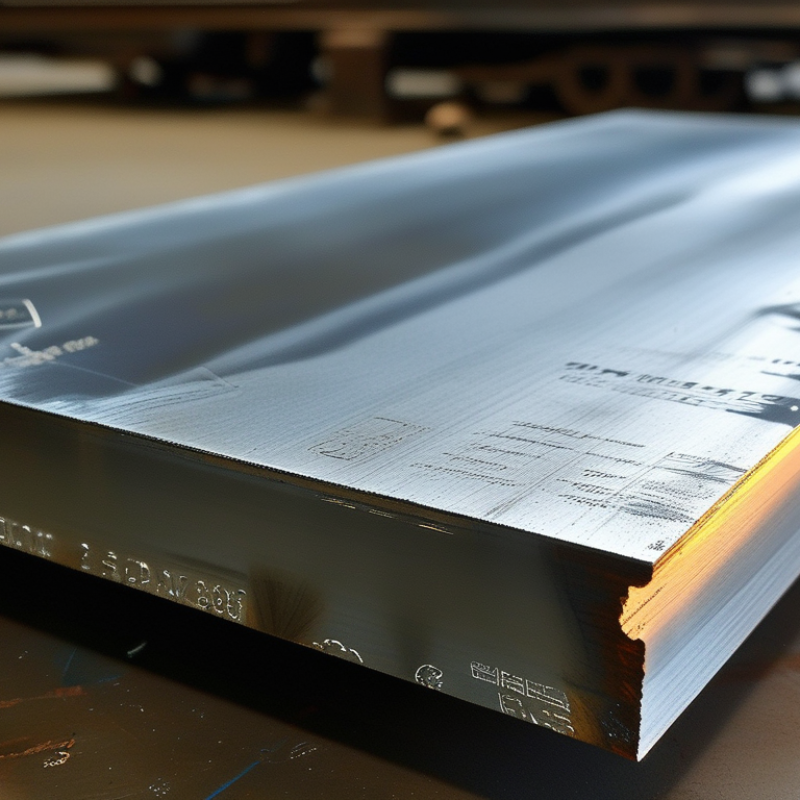
2026 Top Types of Molybdenum Sheet for Global Buyers

Molybdenum Sheet: Definition, Properties, and Main Applications

Molybdenum sheet is a flat, rolled product made from high-purity molybdenum or engineered alloys. It is valued for strength at elevated temperatures, low thermal expansion, and strong resistance to many molten metals. The material also has good thermal conductivity and a very low vapor pressure. However, it oxidizes quickly in air at high temperatures. It can also be brittle at room temperature. That limitation is easy to overlook.

Common types include pure molybdenum sheet, TZM alloy sheet, and lanthanated molybdenum sheet. Pure grades suit furnace components, heat shields, and electrical contacts. TZM offers improved creep resistance for demanding hot-zone parts. Lanthanated grades can maintain better shape stability during repeated heating cycles. The right choice depends on temperature, atmosphere, load, and forming requirements.

Applications are highly specialized. Semiconductor equipment may use molybdenum sheets for carriers, shields, and structural supports. Glass manufacturing uses them near high-temperature melting areas. Aerospace and vacuum systems may require their dimensional stability. Sheet thickness, flatness, surface finish, and grain direction can affect service life. A practical inspection should verify chemical composition, tensile data, and dimensional tolerance. Buyers should also check whether the sheet was rolled and annealed for the intended forming process. One common mistake is choosing the highest purity without reviewing mechanical demands. Purity alone does not guarantee better performance.

Key Types of Molybdenum Sheet for Different Industrial Needs

For global buyers, molybdenum sheet selection begins with service conditions, not thickness alone. ASTM B386 covers molybdenum and molybdenum-alloy sheet, plate, and foil. The standard addresses composition, dimensions, and mechanical requirements. Pure molybdenum sheet suits vacuum furnaces, heat shields, and high-temperature structural parts. It offers excellent thermal stability, but poor forming can cause brittleness.

That risk is real.

TZM sheet adds titanium and zirconium for improved creep resistance at high temperatures. It fits furnace trays, hot-zone supports, and tooling exposed to repeated thermal cycles. Molybdenum-lanthanum oxide sheet offers better recrystallization resistance and shape stability. Molybdenum-rhenium sheet can provide higher ductility for demanding electrical and aerospace components.

Cost still matters.

The USGS Mineral Commodity Summaries 2025 reported approximately 260,000 metric tons of global molybdenum mine production in 2024. World Steel Association data recorded about 1.88 billion metric tons of crude steel production in 2024, reinforcing steelmaking’s major role in molybdenum demand. Buyers should request alloy chemistry, grain orientation, density, surface condition, tensile data, and inspection records. Conversion capacity may limit supply, even when mining output looks sufficient. Trial forming remains wise for thin sheet, especially below 0.5 millimeter.

Forecasts can mislead.

Grades, Purity Levels, and Surface Finishes Explained

For global buyers, molybdenum sheet selection starts with grade, not appearance. Commercially pure molybdenum suits furnace parts, shields, and high-temperature fixtures. It offers reliable thermal performance, but it is not always the strongest option. TZM alloy adds titanium and zirconium, improving recrystallization resistance and high-temperature strength. Mo-La alloy may provide better ductility after heating. Actual performance depends on thickness, forming route, and service atmosphere. A thin sheet may warp when a design ignores thermal expansion.

Purity levels deserve careful reading. Standard sheet may contain trace elements affecting weldability, grain growth, or electrical behavior. Higher-purity grades support semiconductor, vacuum, and analytical equipment applications. These uses require strict contamination control. Ask for a material certificate, chemical analysis, and inspection standard. Surface finish also affects handling and performance. Cold-rolled surfaces are relatively smooth and dimensionally consistent. Ground surfaces remove scale and marks. Polished surfaces reduce roughness for contact-sensitive assemblies. Yet polished does not mean defect-free. Small scratches can appear during cutting or packaging.

Tips: Define working temperature, atmosphere, thickness, and bending radius before requesting quotations. Specify flatness and roughness values, not “smooth” alone. Check edge condition after slitting. Sharp burrs can complicate assembly. Request sample photos or a small trial batch when tolerances are tight. I have seen buyers overfocus on purity and overlook grain direction. That mistake can cause cracking during forming. Review the specification with the fabricator, then revise it when testing exposes a weak assumption.

How to Select Molybdenum Sheet for Global Procurement

For global procurement, selecting molybdenum sheet starts with the service environment, not the lowest quotation. Confirm operating temperature, vacuum or gas atmosphere, load direction, and expected service life. Pure molybdenum suits many high-temperature applications. TZM sheet may offer better strength at elevated temperatures. Think carefully.

Thickness and dimensional tolerance directly affect fabrication and performance. Thin sheet can support lightweight shields, furnace parts, and electronic components. Thicker sheet is more suitable for structural fixtures and high-load assemblies. Specify width, length, thickness tolerance, flatness, and edge condition in writing. Small deviations can create serious fitting problems.

Surface condition also deserves attention. Rolled, polished, etched, or cleaned surfaces may serve different production needs. Ask for chemical composition, mechanical test data, grain information, and inspection records. Independent verification can be useful for critical orders. Ask for evidence. Packaging matters too. Molybdenum sheet should be protected from moisture, dust, scratches, and mixed-metal contamination during international transport.

A reliable supplier should explain manufacturing limits instead of promising every specification. Request a sample or trial batch when the application is unfamiliar. Review the certificate against the purchase order, not just the sales quotation. A cheaper sheet may require extra machining or fail during heating. That risk is easy to underestimate. No selection method is perfect, and procurement teams should revisit the specification after real production feedback. Clear records, realistic tolerances, and application-based testing usually produce better decisions than impressive catalog language.

2026 Top Types of Molybdenum Sheet for Global Buyers - How to Select Molybdenum Sheet for Global Procurement

Technical comparison of commonly procured molybdenum sheet materials and the key parameters to verify before international purchasing.

Sheet Type Typical Composition Typical Density Key Technical Characteristics Typical Thickness Availability* Recommended Applications Best Procurement Fit Important Selection Checks
Commercially Pure Molybdenum Usually ≥99.95% Mo; oxygen and impurity limits depend on the material specification. Approximately 10.2–10.3 g/cm³ Melting point about 2,623°C; low thermal expansion of approximately 4.8 × 10⁻⁶/K near room temperature; good thermal conductivity, typically around 130–140 W/m·K at room temperature. Approximately 0.05–6 mm, subject to rolling condition and order quantity. High-temperature furnace parts, heat shields, sputtering targets, electrical contacts, laboratory components and structural parts used in vacuum or protective atmospheres. General-purposeCost-sensitiveHigh-purity work Confirm purity, oxygen content, grain direction, surface finish, flatness, edge condition and whether the application is vacuum, inert gas or hydrogen protected.
TZM Molybdenum Alloy Sheet Commonly about 0.08–0.12% Ti, 0.04–0.08% Zr and 0.01–0.04% C, with the balance Mo; exact limits vary by specification. Approximately 10.0–10.2 g/cm³ Higher elevated-temperature strength and creep resistance than commercially pure Mo; improved resistance to deformation in demanding furnace and tooling environments. Approximately 0.1–6 mm for rolled sheet, depending on supply capability and condition. Hot-zone supports, high-temperature tooling, die inserts, furnace components, aerospace thermal hardware and parts exposed to mechanical load at elevated temperature. High-temperature strengthLoad-bearing Specify alloy chemistry, tensile or yield requirements at the intended temperature, recrystallization condition, rolling direction, grain size and forming limitations.
Molybdenum–Lanthanum Oxide Sheet Typically Mo containing approximately 0.3–1.0 wt% La2O3; the exact oxide content is product-specific. Approximately 10.0–10.2 g/cm³ Dispersion-strengthened structure can improve high-temperature strength, sag resistance and resistance to recrystallization compared with pure Mo. Approximately 0.1–3 mm, depending on the production route and required surface quality. Furnace heating elements, high-temperature shields, lamp and cathode components, glass-processing fixtures and thin sheet parts requiring dimensional stability. Sag resistanceThin sections Verify La2O3 content, dispersion uniformity, bend radius, surface defects, recrystallization behavior and compatibility with the process atmosphere.
Molybdenum–Rhenium Sheet Common commercial grades often contain approximately 41–50 wt% Re, with the balance Mo. Approximately 12.5–13.7 g/cm³, depending on rhenium content Improved room-temperature ductility and formability compared with unalloyed Mo; useful where thermal cycling, bending or complex forming is required. Approximately 0.05–2 mm for precision sheet, depending on alloy grade and order requirements. Thermocouple components, high-temperature sensors, aerospace parts, electrical contacts and formed components exposed to thermal cycling. FormabilityThermal cyclingPrecision parts Check rhenium percentage, ductility, bend performance, grain structure, weldability, radiological or analytical handling requirements and the substantial raw-material cost impact.
Molybdenum–Tungsten Alloy Sheet Commonly selected with approximately 10–30 wt% W, with the balance Mo; higher tungsten contents are also possible. Approximately 10.4–11.2 g/cm³ for common compositions Combines the high-temperature capability of Mo with increased tungsten content; properties vary significantly with composition, processing and heat treatment. Approximately 0.1–4 mm, depending on composition and rolling condition. High-temperature furnace hardware, radiation shielding, specialized electrodes and components requiring tailored thermal and mechanical performance. Property customizationExtreme-temperature use Define tungsten content, density target, thermal expansion, thermal conductivity, hardness, machinability and the required dimensional tolerances before quoting.
Molybdenum–Copper Composite Sheet Typically a bonded or infiltrated Mo–Cu composite; copper content is often selected within approximately 10–50 vol% according to thermal requirements. Approximately 9.5–11.5 g/cm³, depending on Mo/Cu ratio and structure Higher thermal and electrical conductivity than pure Mo, with a coefficient of thermal expansion that can be tailored by changing the Mo/Cu ratio; not a conventional single-phase Mo alloy. Approximately 0.2–5 mm for laminated or composite sheet forms. Heat spreaders, power-electronics substrates, thermal-management plates, RF components and vacuum-compatible heat-transfer parts. Thermal managementCTE matchingElectrical conductivity Specify construction type, copper volume fraction, thermal conductivity, coefficient of thermal expansion, bond integrity, warpage, plating compatibility and operating atmosphere.

Procurement note: Values marked as typical ranges are engineering reference data rather than acceptance limits. Final requirements should be confirmed against the applicable material specification, inspection certificate, thickness tolerance, flatness tolerance, surface condition, packaging method and destination-country import requirements. Molybdenum oxidizes rapidly at elevated temperature in air; high-temperature use generally requires vacuum, inert gas, hydrogen or another qualified protective atmosphere.

Quality Standards, Specifications, and Buyer Considerations

2026 Top Types of Molybdenum Sheet for Global Buyers

Start with the application. Pure molybdenum sheet suits high-temperature parts, furnace components, and electrical contacts. It commonly offers purity near 99.95%, but buyers should verify the actual certificate. TZM sheet contains titanium and zirconium. It provides improved strength at elevated temperatures. Lanthanated molybdenum can offer better creep resistance and forming performance in demanding thermal environments.

Quality begins with traceable testing. Ask for chemical analysis, tensile data, hardness results, and dimensional inspection records. ASTM B386 is a useful reference for molybdenum and alloy sheet, although equivalent specifications may apply. Confirm thickness, width, length, flatness, and tolerance before placing an order. Flatness matters. A sheet can meet thickness requirements yet still create assembly problems.

Surface condition needs careful review. Request details about rolling marks, scratches, discoloration, edge cracks, and burrs. Check the edges. Thin foil may arrive wrinkled if packaging is weak or moisture control is poor. Vacuum-sealed wrapping and rigid support reduce handling damage during international transport. Buyers should also clarify grain condition, recrystallization requirements, cutting methods, and minimum order quantities. A polished surface is not automatically better; some applications need controlled roughness for bonding or coating. No specification sheet is perfect. Small assumptions can become costly, especially when operating temperature, atmosphere, and forming steps remain unclear. Ask for samples when the design has narrow tolerances.