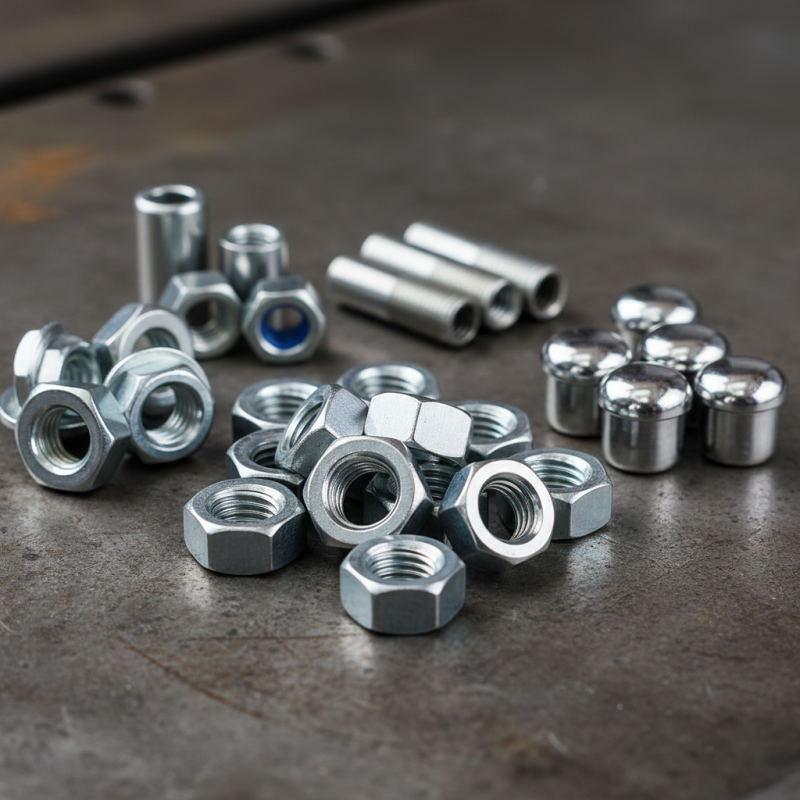
2026 Top Stainless Hex Nuts Types and Their Applications?
In the realm of fasteners, Stainless Hex Nuts hold a crucial position. Their versatility and strength make them ideal for various applications. Stainless hex nuts come in various types, each serving unique purposes.
Understanding the different types of stainless hex nuts is essential for effective use. For example, some are designed for high-temperature environments. Others can resist corrosion in harsh conditions. This knowledge helps in selecting the right nut for specific needs.
While selecting stainless hex nuts, one might overlook quality standards. Not all nuts perform equally in different scenarios. It's vital to reflect on your requirements and the nut's intended use. Knowing the nuances of these fasteners ensures better performance and longevity.
Overview of Stainless Hex Nuts and Their Unique Features
Stainless hex nuts are essential fasteners in various industries. They are widely known for their durability and resistance to corrosion. Made from different grades of stainless steel, these nuts offer unique features. For instance, Grade 304 is non-magnetic and ideal for household and food applications. In contrast, Grade 316 provides superior resistance to saltwater, making it suitable for marine environments.
The global stainless steel nuts market is projected to grow significantly. According to industry reports, this market is expected to reach $8 billion by 2026. Factors driving this growth include the increasing demand for lightweight and corrosion-resistant materials. Many companies struggle to select the right grade for specific applications. Misunderstanding the properties can lead to structural failures, impacting safety and performance.
Additionally, manufacturing processes for stainless hex nuts vary widely. Some are made through forging, while others are produced via machining. Each method brings unique advantages and challenges. For example, forged nuts often have better strength but may come with higher costs. Conversely, machined nuts can be produced in smaller quantities, allowing for customization. Understanding these nuances is vital for engineers and designers.
Common Types of Stainless Hex Nuts Used in Various Industries
Stainless hex nuts are essential components in many industries. They provide durability, strength, and resistance to corrosion. Common grades of stainless steel used for hex nuts include A2 and A4. These materials are often used in marine applications due to their resistance to saltwater. In fact, studies indicate that stainless steel can withstand harsh environments better than other metals.
In construction and engineering, stainless hex nuts hold significant value. They secure bolts, ensuring structures remain stable. According to industry reports, approximately 35% of hex nuts produced are used in the construction sector. These nuts are vital in bridges, buildings, and large-scale projects. They offer reliability, but not all industries recognize their potential.
Despite their benefits, there are still challenges. Some manufacturers may face issues with quality control. Any flaw in the nut's structure can lead to failure. Such risks can be costly. Companies need to focus on sourcing high-quality materials. When used correctly, stainless hex nuts can optimize performance and safety in various applications.
Applications of Stainless Hex Nuts in Construction and Machinery
Stainless hex nuts play a crucial role in construction and machinery applications. They provide strong fastening capabilities, ensuring the stability of structural components. In construction, stainless steel fasteners resist corrosion. This is vital in exposed environments and marine settings. According to industry reports, nearly 30% of infrastructure failures result from inadequate fastening solutions. Stainless hex nuts help mitigate this issue.
In machinery, these nuts are essential for assembling parts that endure significant stress. They ensure that machinery operates efficiently and reliably. Studies show that using high-quality stainless hex nuts can extend the lifespan of heavy equipment by up to 25%. However, there are challenges when selecting the right type. Misalignment or incorrect sizing can lead to failures. The industry must address these gaps through better quality control and training.
Furthermore, proper installation techniques are often overlooked. Even with excellent materials, improper installation can compromise the integrity of structures. It's crucial to promote training programs for workers. Ensuring everyone understands the importance of using stainless hex nuts correctly can prevent costly mistakes. Regular inspections and maintenance are also vital. These steps can significantly enhance the safety and longevity of construction and machinery projects.
Benefits of Using Stainless Hex Nuts in Corrosive Environments
Stainless hex nuts are widely regarded for their resilience in corrosive environments. Their unique composition, predominantly made of chromium and nickel, provides excellent resistance to rust and corrosion. According to industry reports, around 70% of structural failures in marine applications are related to corrosion. This highlights the vital role stainless hex nuts play in ensuring longevity and safety in such settings.
In addition to corrosion resistance, stainless hex nuts offer high tensile strength. They can withstand extreme conditions, making them ideal for use in construction, automotive, and marine industries. A recent study noted that the demand for high-performance fasteners has risen by 30% over the past five years, underscoring the importance of reliable components.
Tips: Always ensure proper torque settings when using stainless hex nuts. Under-tightening can lead to loosening, while over-tightening may cause material stress. Frequent inspections can prevent unexpected failures, particularly in harsh environments. Adopting these practices can significantly extend the service life of the fasteners used in critical applications.
2026 Top Stainless Hex Nuts Types and Their Applications
| Nut Type | Material Grade | Corrosion Resistance | Typical Applications | Benefits |
| Standard Hex Nut | A2-70 | Excellent | General construction, automotive | Good strength and durability |
| Heavy Hex Nut | A4-80 | Superior | Marine applications, chemical processing | High load capacity |
| Jam Nut | A2-70 | Good | Machinery, automotive | Prevents loosening |
| Lock Nut | A4-70 | High | Structural components | Enhanced security against vibrations |
| F433 Nut | A2-80 | Excellent | High-strength applications | Resists harsh environments |
Best Practices for Selecting and Installing Stainless Hex Nuts
When selecting stainless hex nuts, consider the environment they will be used in. For outdoor applications, corrosion resistance is crucial. Choose nuts made from higher quality stainless steel alloys. These materials hold up better against harsh weather. Sometimes, people overlook the importance of threading. Ensure the thread type matches with the bolts precisely. Mismatched threads can lead to failure.
During installation, cleanliness is key. Keep surfaces free from dirt and debris. Contaminants can impact the tightness of the connection. Use tools that are appropriate for the size of the nuts. A wrench that is too large can strip the nut. It’s easy to make mistakes under pressure. Take time to review your work. Double-check the torque specifications to avoid issues down the line. Over-tightening can damage both the nut and bolt.
Pay attention to how the assembly is set up. If the load is not evenly distributed, it can lead to premature wear. In harsh conditions, regular inspections are beneficial. Keep an eye out for signs of wear and corrosion. This will help maintain the integrity of your structure. The goal is to ensure long-lasting performance, which requires ongoing care.