What is a Ball End Mill and How is it Used in Machining?
In the world of machining, precision is key. One tool that stands out is the Ball End Mill. This cutting tool is renowned for its ability to create complex shapes and contours in various materials. Mark Thompson, a machining expert with over 20 years of experience, emphasizes, "The Ball End Mill is essential for achieving detailed work on curved surfaces."
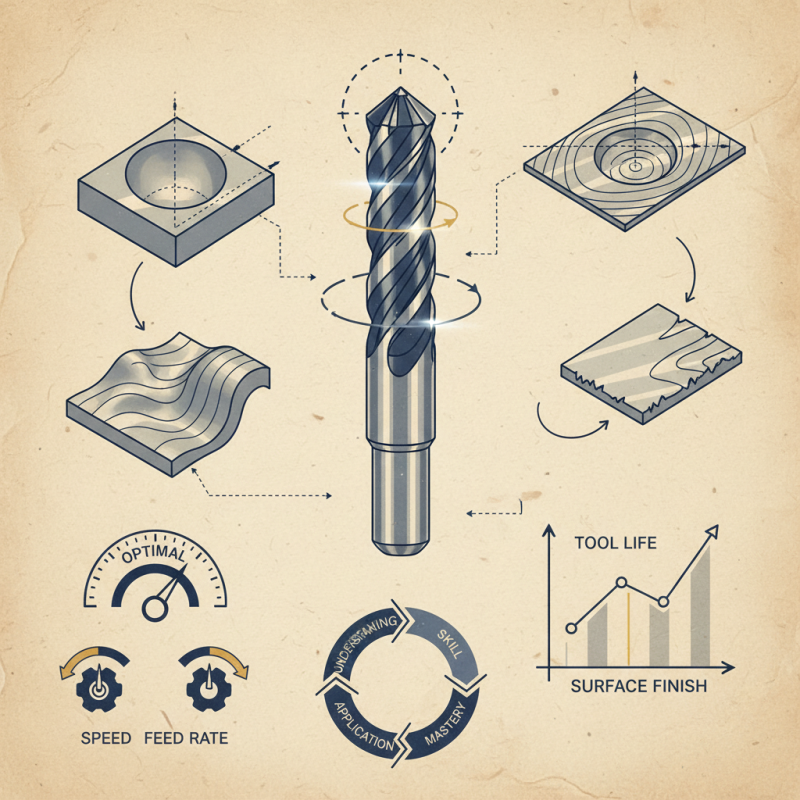
While the design of the Ball End Mill allows for intricate milling, its effectiveness depends on the right application. Many machinists often overlook the importance of choosing the right speed and feed rates. This can impact the quality of the machined part significantly. A miscalculation might lead to tool wear or subpar finishes.
Using a Ball End Mill requires skill and understanding. Each project presents unique challenges. Some machinists struggle with getting the desired finish. Others face difficulties in maintaining tool life. Mastering this tool is a journey, not an instantaneous achievement. Understanding its intricacies is crucial for optimum results.
What is a Ball End Mill? Definition and Overview of Its Design
A ball end mill is a versatile cutting tool used in machining. Its design features a hemispherical end, which allows for creating complex shapes. This tool is essential for tasks like contouring and 3D cutting. Operators often use it for milling slots, curves, and intricate details. Its curved shape enables smooth transitions, enhancing surface finish quality.
In terms of applications, ball end mills are ideal for machining materials like aluminum and soft steel. They excel in finishing applications where precision is critical. However, using this tool can be challenging. It requires a steady hand and a keen eye for detail. Many beginners struggle with feed rates and depth of cut. These factors significantly affect the end result. Machinists often find themselves adjusting settings to achieve the desired finish.
Common mistakes include inadequate tool selection and incorrect speeds. Overestimating the tool's capabilities can lead to subpar results. Proper training and experience play a crucial role in maximizing its effectiveness. Reflection on past projects helps machinists make better choices in the future. Ultimately, mastering the ball end mill involves practice and continuous learning.
Usage of Ball End Mills in Machining
Key Features of Ball End Mills: Geometry and Cutting Capabilities
Ball end mills are essential tools in machining. They have a spherical end that allows for precise and intricate cuts. This shape is ideal for creating curved surfaces and intricate details in various materials. The geometry of a ball end mill contributes significantly to its cutting capabilities.
A ball end mill features two key geometries: a spiral design and a cutting edge. The spiral design improves chip removal, which enhances tool life. Furthermore, the smooth cutting edges provide a cleaner finish on workpieces. The versatility of ball end mills allows for different applications, including pocket milling and contouring.
Tips: When using a ball end mill, choose the right size for your project. Smaller mills work better for detailed features. Also, consider the depth of cut. A shallow cut can improve precision, while a deeper cut may lead to tool wear.
Remember, not all jobs require a ball end mill. Sometimes, standard end mills can perform better in certain tasks. Assess your project needs carefully. Each machining project is unique, and the right tool can make a significant difference.
What is a Ball End Mill and How is it Used in Machining? - Key Features of Ball End Mills
| Feature | Description | Applications |
| Geometry | Ball end mills have a rounded end that allows for smooth contouring. | Used for machining complex shapes and curves. |
| Cutting Capability | Provides excellent cutting action for both horizontal and vertical surfaces. | Ideal for 3D machining and sculpted surfaces. |
| Size Range | Available in various diameters from 1/8" to several inches. | Suitable for different scales of machining tasks. |
| Material | Made from high-speed steel (HSS) or carbide for durability. | Used in a variety of materials, from plastic to metal. |
| Flute Design | Typically has 2 to 4 flutes for optimal chip removal. | Affects the surface finish and machining speed. |
Applications of Ball End Mills in Precision Machining and Tooling
Ball end mills play a vital role in precision machining and tooling. They are used for contouring and sculpting in three-dimensional shapes. Their curved end allows for smooth transitions, especially in molds and dies. Industry reports indicate that 30% of machining tasks require a ball end mill. This tool is essential for achieving precise finishes.
Applications vary widely across industries. In aerospace, for instance, ball end mills help create complex geometries for critical components. The automotive sector benefits as well. Engineers often utilize these tools for intricate part designs. Recent studies show that using ball end mills can improve productivity by 25%, mainly due to reduced cycle times.
However, challenges remain. Tool wear can occur more rapidly than expected. This can lead to inconsistent finishes and dimensional inaccuracies. Users must frequently monitor tool performance. Regular adjustments may be necessary to maintain quality. Despite these hurdles, the effectiveness of ball end mills in precision machining is undeniable.
Material Selection for Ball End Mills: Types and Performance Metrics
Ball end mills are essential tools for machining. Their design allows for creating complex shapes and contours. Material selection plays a crucial role in performance. It's important to choose the right materials for effectiveness.
High-speed steel (HSS) and carbide are popular choices. HSS is known for versatility but has lower wear resistance. Carbide offers superior hardness and can withstand higher temperatures. According to the Machining Journal, carbide end mills can last up to three times longer than HSS under similar conditions. This durability often leads to fewer tool changes and reduces downtime.
Moreover, coatings can enhance performance. TiAlN is a common coating for carbide tools. It significantly improves wear resistance and allows for higher cutting speeds. A report from the Cutting Tool Institute indicates that tools with advanced coatings can improve productivity by 20%. However, picking the right material and coating requires careful evaluation. Not every application benefits from the same choices. Understanding the specific machining environment is vital for optimal results.
Advantages of Using Ball End Mills in Modern Manufacturing Processes
Ball end mills are crucial in modern machining. They offer unique advantages that enhance manufacturing efficiency. The design of a ball end mill, with its rounded tip, allows for better contouring on intricate surfaces. This makes it ideal for creating complex shapes and profiles in various materials. The ability to achieve a smooth finish is a significant benefit. Manufacturers rely on this feature to reduce post-processing time.
Tips: Always check the tool's sharpness before use. A dull tool can compromise accuracy and finish. Additionally, consider the material you're machining. Different materials require different speeds and feeds for optimal results.
Using ball end mills can significantly reduce tool wear. This durability translates into cost savings over time. However, improper use can lead to issues like chipping or breakage. It's essential to maintain proper feed rates and avoid excessive pressure. Learning from mistakes is part of the process. Embrace the challenges to enhance your machining expertise.