
In the world of rubber manufacturing, the "9 Rubber Mixing Mill" stands out as an essential piece of machinery. This innovative equipment plays a vital role in the mixing process, leading to improved efficiency and product quality. It combines raw rubber with additives seamlessly, enhancing the final product's performance.
The advantages of the 9 Rubber Mixing Mill are not just theoretical. Many industries have witnessed significant benefits from its usage. For instance, it optimizes mixing time, making it easier to meet production deadlines. Additionally, the mill is designed for durability, which can lead to lower maintenance costs over time. However, it’s important to acknowledge that effective training is necessary to maximize its capabilities.
Some manufacturers may overlook the importance of proper operation. Failing to do so can lead to inconsistent product quality. Understanding the benefits and potential pitfalls is essential. Investing in a 9 Rubber Mixing Mill can yield impressive results when used correctly.
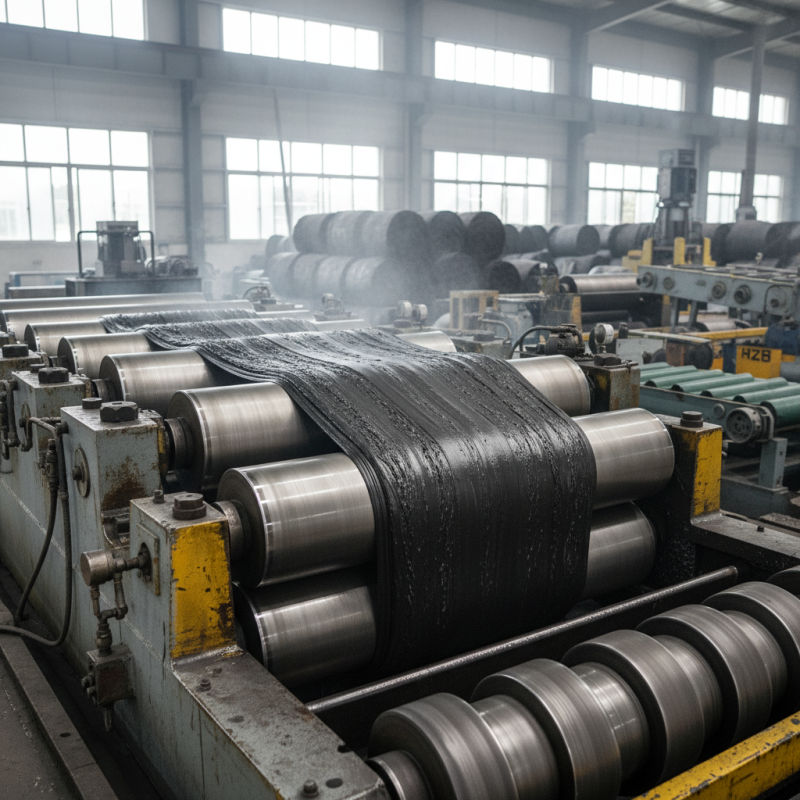
Rubber mixing mills play a crucial role in modern manufacturing. They ensure precise blending of raw materials, which enhances product quality. According to a report by Market Research Future, the rubber processing machinery market is expected to grow significantly, valuing over $7 billion by 2026. This reflects the increasing reliance on effective mixing technology.
One major advantage of rubber mixing mills is efficiency. They allow operators to adjust parameters in real-time. This flexibility can lead to a 30% reduction in production time. However, maintenance can often be overlooked. Neglecting routine checks may lead to unexpected downtime. Another benefit is uniformity in mixing. Poorly mixed rubber can cause significant quality issues, impacting final products. Some manufacturers face challenges implementing proper mixing techniques, leading to inconsistencies.
The longevity of rubber mixing mills is vital for competitiveness. Reports suggest that mills can operate for decades with proper maintenance. However, aging machinery may affect performance and safety. It's essential for companies to invest in training for their operators. Understanding how to maximize the mill’s potential can lead to better outputs. This is often a challenging integration for newer operators, highlighting the need for ongoing education in the field.
Rubber mixing mills play a crucial role in enhancing efficiency in production lines. These machines are designed to blend rubber materials uniformly. By optimizing the mixing process, they reduce waste. This leads to cost savings. Production times also decrease, enabling quicker turnaround.
Operators should ensure the right settings for their materials. Incorrect settings can lead to inconsistent mixes. It's important to regularly maintain the machinery. Clogged parts or worn-out components can affect performance. A quick inspection can save time and resources.
Consider the layout of the production line. An efficient setup minimizes movement. It makes the process smoother. Monitor the output quality closely. Adjustments may be needed if unacceptable results occur. Small changes can improve the overall process.
The rubber mixing mill is a cornerstone in modern rubber manufacturing. Its role in enhancing material quality is significant. This technology enables precise control over the mixing process, resulting in better consistency. Research shows that mills increase the uniformity of compound mixtures by up to 30%. This consistency improves the properties of the final product.
Using rubber mixing mills also leads to higher production efficiency. They reduce mixing time by up to 25%. This efficiency allows manufacturers to meet high demands quickly. However, companies must regularly maintain their mills to avoid operational issues. Neglecting maintenance can result in inconsistent material quality.
Tip: Schedule routine maintenance checks on your equipment. Regular inspections can save costs in the long run. Moreover, invest in employee training to maximize mill use. A knowledgeable team can detect potential problems early, ensuring continuous production and high-quality output.
Rubber mixing mills are essential tools in various industrial applications. These mills offer exceptional versatility, which allows them to adapt to different processes seamlessly. In tire manufacturing, for instance, they blend rubber compounds. They help improve product quality and consistency. The mills ensure precise mixing, reducing material waste significantly.
In the automotive industry, rubber mixing mills play a crucial role. They are used to create rubber parts, gaskets, and seals. The mills can accommodate various rubber types, including synthetic and natural rubber. Operators appreciate their ability to maintain the necessary temperatures while mixing. However, operators sometimes face challenges in achieving optimal settings, which can lead to inconsistent results.
The packaging industry benefits greatly from rubber mixing mills as well. These mills are used to produce flexible packaging materials. The versatility of these machines extends to being able to handle multiple raw materials. That said, ensuring the right mix requires constant monitoring and adjustment. Small errors could affect product integrity, making it vital for operators to be attentive.
Rubber mixing mills play a vital role in material processing industries. They enhance cost-effectiveness through efficient production processes. By optimizing mixing time and reducing energy consumption, these mills can significantly lower operational costs.
One noteworthy aspect is their ability to ensure uniformity in rubber compounds. Consistent quality leads to fewer defects and waste. A reliable mixing mill reduces labor costs as well. Operators can manage large batches with less oversight, which is beneficial for small to medium-sized businesses.
Tip: Regular maintenance is crucial. Small issues can escalate quickly, leading to costly downtimes. Monitor the equipment closely. Check for signs of wear and tear. It's better to address problems early. Remember to train your personnel, too. Well-trained staff can enhance productivity significantly.
While rubber mixing mills offer numerous advantages, there are challenges. The initial investment may seem high for smaller companies. Evaluating long-term benefits is important. Consider your production scale and growth potential before purchasing.
| Benefit | Description | Cost-Effectiveness |
|---|---|---|
| Improved Mixing Efficiency | Rapid and uniform mixing of materials ensures consistent product quality. | Reduces material waste through optimized mixing times. |
| Energy Savings | Energy-efficient designs minimize electricity usage during operations. | Lower energy bills directly reduce overall operational costs. |
| Versatility | Capable of processing various rubber compounds and additives. | Flexible usage reduces the need for multiple machines. |
| Enhanced Safety Features | Modern mills are equipped with safety guards and emergency stops. | Decreased injury rates lead to lower health and safety costs. |
| High Throughput | Designed for high productivity, improving unit output. | Increases revenue potential through faster manufacturing cycles. |
| Easier Maintenance | Simplified design allows for quicker maintenance and lower downtime. | Reduced maintenance costs translate to increased profit margins. |
| Continuous Operation | Can operate continuously for extended periods, increasing productivity. | Lowering per-unit production costs over time. |
| Quality Control | Integrated systems allow for better monitoring and adjustments during mixing. | Consistency in product quality reduces returns and production faults. |
| Reduced Labor Costs | Automation in operations minimizes the need for manual labor. | Lower labor costs lead to higher overall efficiency. |
| Better Material Control | Advanced controls manage material feed rates and mixing parameters. | Minimizing raw material costs through precise usage. |
