Best Aluminum Stock Material for Global Procurement Needs?
In today's global market, choosing the right Aluminum Stock Material is critical for manufacturing efficiency. Experts like Dr. Emily Carter, a leading authority in metal sourcing, emphasize, "The right aluminum stock can significantly impact production costs and product quality." Understanding this importance is vital for manufacturers.
Aluminum stock material comes in various grades and forms. Each type has its unique properties suitable for diverse applications. Yet, not all suppliers maintain the same quality standards. This inconsistency can complicate procurement efforts. Manufacturers often face challenges in balancing quality and cost. The right supplier can make a difference.
Moreover, global supply chains are becoming more complex. Fluctuating prices and availability affect decision-making. Companies must carefully evaluate options before committing. The focus should be on long-term partnerships rather than one-time transactions. Each choice made today influences the future effectiveness of production systems.
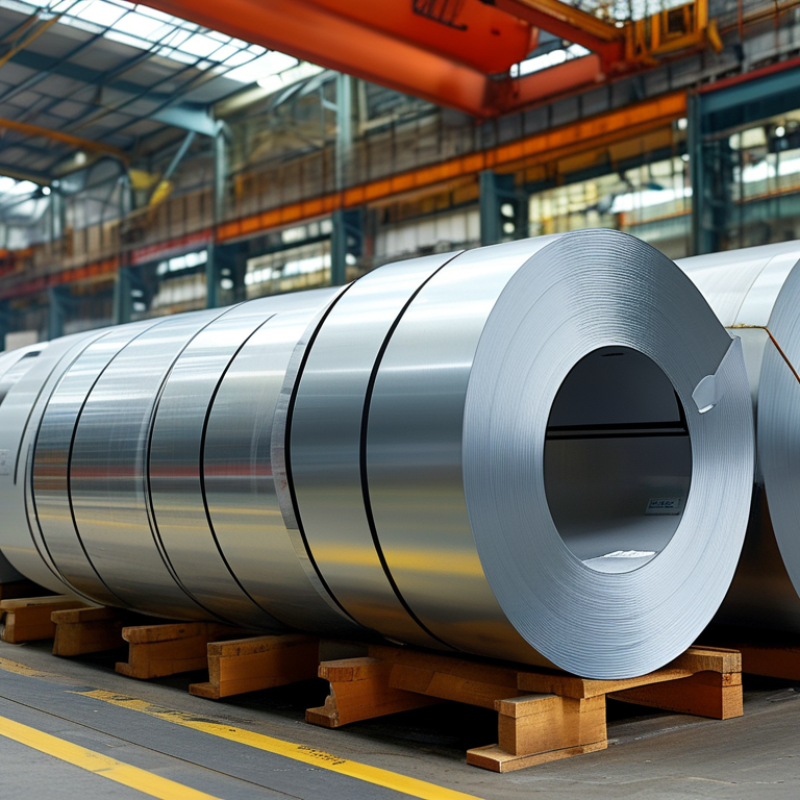
Evaluating the Importance of Aluminum Stock Material in Global Procurement
In today's global market, aluminum stock material plays a vital role in various industries. As per a recent report by the Aluminum Association, global demand for aluminum is projected to reach 80 million metric tons by 2025. This growth highlights the need for reliable procurement strategies to source quality aluminum materials. Companies must prioritize understanding their specific requirements, as different applications demand varying grades and forms of aluminum.
A focus on sustainability is increasingly critical. Research indicates that nearly 75% of aluminum ever produced is still in use. This recyclability offers opportunities for procurement strategies that emphasize recycled materials. Nevertheless, challenges remain. Sourcing recycled aluminum can sometimes be difficult due to supply fluctuations and quality concerns.
Consider the importance of supplier reliability. Assessing suppliers’ capabilities and reputations is crucial in ensuring that materials meet industry standards. Relationships with suppliers can directly impact product quality and delivery times. Staying updated with market trends and engaging with industry reports can also provide insights into potential supply chain disruptions.
Evaluate risks associated with procurement, including geopolitical factors and market volatility. Companies must remain resilient and adaptable in their sourcing strategies. Make informed decisions to effectively manage aluminum stock material for successful operations.
Key Properties of Aluminum Stock Material for Diverse Applications
When considering aluminum stock material for global procurement, key properties are vital. Aluminum's unique combination of light weight, strength, and corrosion resistance makes it an excellent choice for various applications. Its low density allows manufacturers to create structures that need less support without sacrificing integrity. However, the choice of aluminum alloys can greatly affect performance based on specific use cases.
Different applications require varying degrees of malleability, strength, and thermal conductivity. For example, the aerospace industry demands highly durable grades that withstand extreme conditions. In contrast, packaging applications may prioritize formability and finish. These varying requirements highlight the necessity for thorough understanding and strategic selection of aluminum stock materials. It's essential to recognize that not all grades are suitable for every application.
Evaluating the environmental impact of aluminum production is also crucial. The process generally has a significant carbon footprint. This raises questions about sustainability in procurement choices. As industries evolve, balancing performance and ecological responsibility remains a challenge. Seeking out innovative techniques for recycling aluminum could play a critical role in addressing these issues. Understanding the nuances of aluminum stock can enhance decision-making in procurement while fostering a more sustainable approach.
Challenges in Sourcing Aluminum Stock Globally
Sourcing aluminum stock globally can present significant challenges. The fluctuating prices of aluminum are a primary concern for businesses. Suppliers often react unpredictably to market conditions. This can lead to inconsistencies in availability, complicating procurement efforts. Furthermore, logistical issues may arise due to transportation delays or regulatory hurdles in different regions.
Quality assurance is another critical factor. Not all suppliers provide the same level of quality. Businesses need reliable partners who adhere to standards. Conducting thorough audits and assessments is essential, yet it can be time-consuming and costly. Another hurdle is navigating the cultural and communication barriers in international dealings. Misunderstandings can compromise negotiations and relationships.
Sustainability practices are increasingly valued. Companies need to consider their suppliers' environmental impact. Many regions have different regulations around sustainability, which adds complexity. Balancing cost, quality, and sustainability can be tough. In the end, companies must remain adaptable and open-minded. This willingness to learn and refine sourcing strategies is essential for successful procurement of aluminum stock.
Comparative Analysis of Different Aluminum Alloys for Procurement
When considering aluminum alloys for global procurement, understanding the unique properties of each is crucial. Different alloys offer varied strengths, resistance to corrosion, and workability. For instance, 6061 aluminum is a versatile alloy that combines good mechanical properties with excellent weldability. It is often used in structural applications and manufacturing. In contrast, 7075 aluminum, known for its high strength, is ideal for aerospace applications where weight is critical.
Each alloy has limitations that must be acknowledged. For example, while 6061 is easier to work with, it may not offer the same strength as 7075 in demanding environments. Other alloys like 2024 can provide excellent fatigue resistance but may require careful handling during processing due to their susceptibility to cracking. This highlights the importance of selecting the right alloy for specific applications.
As global procurement needs evolve, decision-makers must analyze the trade-offs between cost, performance, and availability. It can be challenging to predict market fluctuations that affect aluminum pricing and supply. Ultimately, a careful comparison of the specific properties of alloys like 6061, 7075, and 2024 will support informed procurement decisions that meet both project requirements and budget constraints.
Sustainable Practices in the Global Aluminum Supply Chain
The global aluminum supply chain faces increasing pressure to adopt sustainable practices. Many industries rely on aluminum due to its lightweight and corrosion-resistant properties. However, the environmental impact of aluminum production remains significant. According to a report by the International Aluminum Institute, the industry contributes about 2% of global greenhouse gas emissions.
Recycling aluminum is a key solution. The energy used in recycling is only 5% of that required for new production. In 2021, 75% of aluminum produced in the U.S. came from recycled materials. This emphasizes the importance of a circular economy in the aluminum sector. However, only 20% of global aluminum is recycled. This presents a challenge to reaching sustainability goals.
Moreover, transparency in sourcing is vital. A recent study highlighted that 66% of consumers consider sustainability when making purchasing decisions. Companies must disclose their sourcing and processing methods to meet these expectations. Yet, many are still reluctant to share this information, complicating efforts to promote sustainable practices in the industry. A balance between profitability and environmental responsibility remains elusive. As global demand for aluminum rises, so does the urgency to address these sustainability challenges effectively.
Best Aluminum Stock Material for Global Procurement Needs? - Sustainable Practices in the Global Aluminum Supply Chain
| Material Type | Source Region | Sustainability Rating | Recycling Rate (%) | Average Cost (USD/ton) |
| Aluminum Alloy 6061 | North America | High | 90 | 2500 |
| Aluminum Alloy 7075 | Europe | Medium | 85 | 3000 |
| Aluminum Alloy 5052 | Asia | High | 92 | 2700 |
| Aluminum Extrusions | South America | Medium | 80 | 2400 |
| Aluminum Sheet | Africa | High | 95 | 2200 |