What Is the Best Drawn Steel Wire Equipment in 2026?
Choosing the best Drawn Steel Wire Equipment in 2026 starts with the wire, not the brochure. Required diameter, steel grade, tensile strength, and production volume all shape the right choice. A machine built for fine wire may struggle with heavier rod, while a high-speed line can waste energy when output demand is modest. There is no universal winner.
Look closely at the full line: payoff, descaling, drawing blocks, dies, cooling, and take-up. A worn die can leave visible scoring; unstable tension may cause breaks or uneven coils. These are small details. They affect scrap, downtime, and finished-wire consistency. Modern controls can help operators track speed, tension, and alarms, but automation alone does not guarantee good results. Setup and maintenance still matter.
In 2026, compare equipment by measurable performance, service support, spare-part access, safety features, and energy use. Ask suppliers for test data that matches your material and target dimensions. Check how quickly dies can be changed, how accessible lubrication points are, and whether operators can inspect the line without awkward workarounds. Spec sheets rarely show these realities. I would be cautious about claims based only on maximum speed; real production conditions are less tidy. This guide examines the main equipment types, selection criteria, and practical trade-offs, helping buyers identify a line suited to their workload rather than chase a single “best” machine. A careful choice begins with verified requirements—and a willingness to revisit them.
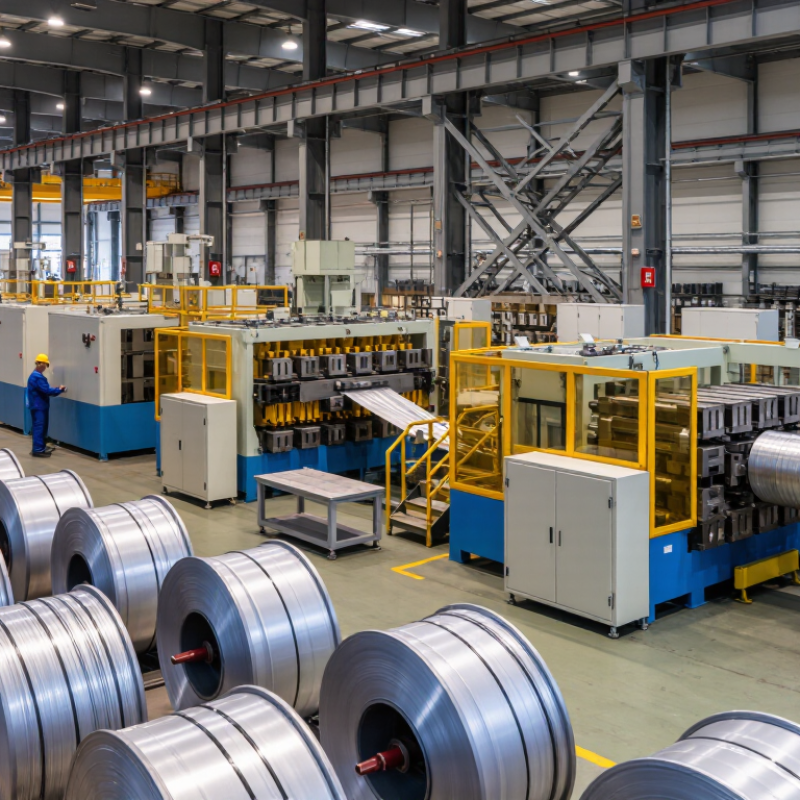
Types of Drawn Steel Wire Equipment and Their Functions
The best drawn-steel-wire equipment depends on wire diameter, finish, and production volume. A single-block machine reduces thicker rod in one drawing stage, while multi-pass continuous machines use several dies and capstans to reach smaller diameters at steady speed. Dry drawing suits many coarse and medium wires; wet drawing circulates lubricant around fine-wire dies, helping control heat and surface quality. The setup matters.
A complete line may include a pay-off, die box, capstan, cooling system, and take-up. Pay-offs feed rod without tangles; capstans pull it through dies; take-ups collect finished coils. Inline annealing can restore ductility when the product requires it. World Steel Association’s World Steel in Figures 2025 reports 1,882.6 million tonnes of crude steel production in 2024. That figure describes upstream steel, not drawn-wire output, but it shows the scale of the material supply chain. The International Energy Agency’s Iron and Steel Technology Roadmap (2020) estimates steelmaking accounts for about 7% of global energy-system CO2 emissions, making efficient drives and sensible cooling worth evaluating. Still, a high-speed line is not automatically the best choice: die wear, wire breaks, and changeover time can erase its advantage. Check those details in a production trial.
How the Steel Wire Drawing Process Works
What Is the Best Drawn Steel Wire Equipment in 2026?
How the Steel Wire Drawing Process Works
Steel wire drawing reduces a rod’s diameter by pulling it through a hardened die. Before drawing, operators remove scale and prepare a pointed end so it can pass through the first die. Lubricant helps limit friction and heat. A capstan or drawing block then pulls the wire through, while guides keep it aligned. Small changes matter. Each pass reduces the diameter, and several passes may be needed to reach the target size. The reduction per pass must suit the steel grade and the wire’s intended use.
Between passes, the wire may need cooling or annealing to manage heat and restore ductility. The exact sequence depends on the material and required strength, so a fixed setup is not ideal for every job. For equipment selection in 2026, look at diameter control, stable tension, die access, cooling capacity, and clear process monitoring. These features help operators spot drift before it creates a long run of out-of-spec wire. One detail is easy to underestimate: clean lubricant and well-maintained dies affect surface quality. Even with good controls, setup takes judgment. A tidy line can still produce inconsistent wire if the die is worn or the reduction schedule is poorly matched.
Key Criteria for Comparing Equipment in 2026
When comparing drawn steel wire equipment in 2026, begin with the wire you actually make: its diameter range, tensile strength, coating, and required surface finish. A machine rated for high output may still struggle with fine wire or frequent product changes. Check drawing speed, die arrangement, tension control, and whether operators can inspect the wire path without lengthy stoppages. Small details matter.
Energy use deserves a measured comparison. The International Energy Agency’s Energy Efficiency 2023 report estimates that industry accounts for about 37% of global energy consumption. That figure is not a machine benchmark, but it makes motor efficiency and power use per tonne worth checking. Ask suppliers for readings from comparable production runs, not just rated motor power. Include cooling, lubrication, and idle consumption where possible. The numbers can be awkward to compare.
Also assess uptime, die life, changeover time, spare-part availability, and data logging. World Steel Association’s World Steel in Figures 2024 reports 1,892.2 million tonnes of crude steel production in 2023; this indicates the sector’s scale, not demand for any one drawing line. Request a trial using your own wire, then record break frequency, diameter variation, surface defects, and output over a full shift. A short demonstration can miss real production interruptions. I would treat any single efficiency claim cautiously unless its test conditions are disclosed.
Matching Equipment to Wire Grades and Production Needs
The best drawn steel wire equipment in 2026 depends on the wire grade, finished diameter, and daily production target. A high-speed line may suit steady orders, but frequent grade changes can make setup time more important than peak speed. Start with the actual drawing schedule: incoming rod size, reduction per pass, required tensile strength, and spool dimensions. Small details matter.
Low-carbon wire often tolerates higher reductions and supports fast, continuous drawing. High-carbon grades need closer control of pass reduction and heat, especially when producing spring or rope wire. Stainless steel can demand tougher dies, suitable lubrication, and careful temperature monitoring. Die material should match wire hardness, diameter, and expected run length; carbide may work well for many sizes, while diamond dies are common for finer finishes. Not every line needs every option.
Production needs shape the rest of the system. A compact multi-pass machine may fit limited floor space, while a larger line can reduce handling between stages. Check take-up tension, cooling, lubrication delivery, and how quickly operators can change dies. One detail is easy to underestimate: changeover time. A specification sheet cannot reveal every vibration or surface mark, so trial runs with the intended grade and lubricant are valuable. I would reconsider any equipment choice made from maximum speed alone; that number may look impressive and still miss the real bottleneck.
Automation, Energy Efficiency, and Emerging Technologies
What Is the Best Drawn Steel Wire Equipment in 2026?
Automation, Energy Efficiency, and Emerging Technologies
The best drawn steel wire equipment in 2026 is the system that fits the wire, production volume, and available floor space. A well-matched line can combine precise capstans, stable lubrication, and reliable diameter measurement. Automation helps operators monitor tension and spot process drift before it causes repeated breaks. Sensors can track temperature and line speed in real time. Small deviations matter.
Energy efficiency deserves equal attention. Variable-speed drives can adjust motor output to production needs, while better cooling and lubrication may reduce wasted power. Compare energy use per ton, not just the machine’s rated consumption. Ask for operating data under conditions similar to your own. Results vary. Emerging tools, such as machine-vision inspection and predictive maintenance, can flag surface defects or unusual vibration. They still need good setup and skilled review; software cannot fix poor process settings.
Tips: Check wire samples, changeover time, maintenance access, and energy figures before choosing. Request a production trial. Keep expectations realistic: automation can reduce routine checks, but it may add setup work at first. Even strong equipment needs careful operators.
What Is the Best Drawn Steel Wire Equipment in 2026? Automation, Energy Efficiency, and Emerging Technologies
A process-design reference for comparing single-pass area reduction with the corresponding true strain in steel wire drawing.
True strain is calculated as ln(A₀/Af), where A₀ is the starting cross-sectional area and Af is the final area. Values are mathematical examples, not machine-performance measurements or recommended pass reductions; actual settings depend on the steel grade, wire size, tooling, lubrication, and process design.