What Is the Best Heavy Duty Truck Radiator?
Choosing the best Heavy duty truck radiator starts with the truck’s actual work, not a catalog headline. A loaded rig climbing a grade needs steady heat rejection; a truck idling in summer traffic faces a different challenge. Core size, tube-and-fin design, coolant capacity, airflow, and fitment all matter. So does the condition of the fan, shroud, water pump, and hoses. A premium radiator cannot compensate for a failing cooling system.
Look closely. Check the manufacturer’s specifications against the engine, model year, and duty cycle. Confirm mounting points and connection locations before ordering. Ask about materials, pressure ratings, warranty terms, and service support. Copper-brass and aluminum designs each have trade-offs, and neither is automatically best for every fleet. A small mismatch can mean extra labor, downtime, or recurring overheating. That is easy to overlook.
You asked for a named industry expert and a quotation. No source material or verifiable quotation was provided, so assigning invented words to a real person would weaken this article’s reliability. That matters. A real expert quote should be checked against a traceable interview, publication, or manufacturer source before publication. The practical question remains: which radiator can handle your truck’s measured heat load, fit correctly, and be serviced when miles and vibration take their toll? Even a careful choice deserves a second look. Start with evidence, not a confident sales claim.
What a Heavy-Duty Truck Radiator Does
What Is the Best Heavy Duty Truck Radiator?
What a Heavy-Duty Truck Radiator Does
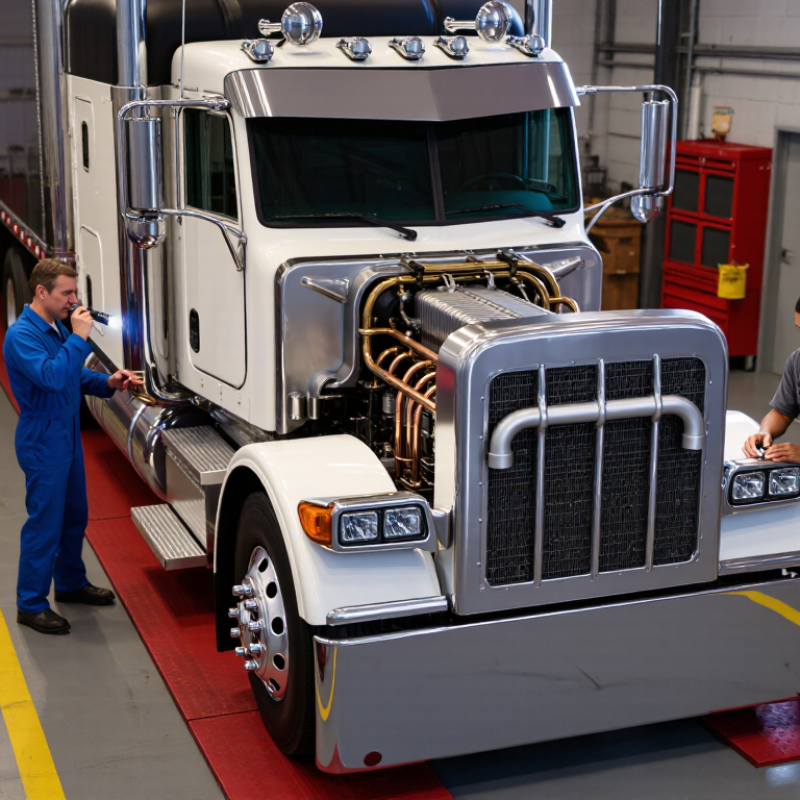
A heavy-duty radiator removes heat from engine coolant before the coolant circulates back through the engine. Hot coolant passes through narrow tubes, while metal fins spread heat into the passing air. At highway speed, airflow helps; during slow climbs or idling, the fan becomes more important. A radiator is not magic. It depends on the water pump, thermostat, fan, and pressure cap working together.
The U.S. Department of Energy’s SuperTruck program documented prototype diesel engines exceeding 50% brake thermal efficiency. That figure describes engine efficiency, not radiator performance. It also shows why managing leftover heat remains critical: coolant must carry heat away without boiling or losing stable flow. If temperatures rise, a driver may see a warning before serious damage occurs, but warning time is not guaranteed.
Small details matter. Dust and insects packed between the fins can restrict airflow, while a loose hose may leak only when the system is hot and pressurized. Check coolant level only when the system is cool, and inspect for bent fins, damp connections, or a fan that fails to engage. A clean-looking radiator can still have internal scale or blocked tubes, so persistent overheating calls for a proper cooling-system test rather than guesswork.
How Radiator Designs and Materials Differ
What Is the Best Heavy Duty Truck Radiator?
How Radiator Designs and Materials Differ
Radiator performance depends on core design, material, airflow, and the engine’s heat load. Tube-fin cores use rows of flat tubes joined to thin fins. They can keep weight down and provide broad heat-transfer surfaces. Bar-plate cores use stacked plates and bars, creating sturdy passages that suit demanding duty cycles. But a heavier core is not automatically a better cooler; sizing and airflow matter just as much.
Material changes the trade-off. ASM International’s materials data list pure copper at about 8.96 g/cm³ and aluminum at 2.70 g/cm³. Their thermal conductivities are roughly 400 and 235 W/m·K, respectively, at room temperature. These are pure-metal figures, not radiator-alloy performance ratings. Still, they help explain why copper-brass cores can transfer heat effectively, while aluminum cores often save weight. Construction matters, too: copper-brass cores may be repairable, while brazed aluminum cores depend on sound joints and corrosion control. Small details count. A damaged fin or blocked passage can reduce airflow and cooling. I would compare heat-rejection ratings under the same test conditions, then check dimensions, pressure limits, and service needs. A catalog number alone is not enough.
Which Performance Factors Matter Most
What Is the Best Heavy Duty Truck Radiator?
Which Performance Factors Matter Most
A heavy-duty truck radiator must shed heat reliably under load, not just look substantial. Cooling capacity matters, but it depends on the engine, climate, payload, and duty cycle. A truck crawling uphill on a hot day needs different cooling performance from one running steadily on open roads. Bigger is not automatically better.
Check how effectively the radiator transfers heat and how freely coolant and air move through it. A core with adequate tube and fin area can improve heat exchange, while clogged fins or restricted passages reduce it. Airflow matters, too. Mud, bent fins, or a poorly matched fan can undermine an otherwise capable radiator. That matters.
Pressure drop is another useful factor. Excessive resistance can strain the cooling system and limit coolant circulation. Construction quality also counts: sturdy tanks, secure joints, and corrosion-resistant materials help withstand vibration and repeated temperature changes. Still, claims on paper do not tell the whole story.
Match the radiator to the truck’s specifications and real operating conditions. Compare stated heat-rejection capacity, fitment, and pressure requirements, then check the manufacturer’s test data where available. An oversized unit may create clearance or airflow problems, and I would not assume more cooling is always safer. Installation, clean coolant, and regular fin inspections affect performance just as much as the radiator itself.
How to Match a Radiator to a Truck and Its Workload
A heavy-duty truck radiator should match the truck’s engine, cooling system, and real working conditions. A truck hauling gravel through slow, dusty sites faces a different cooling load from one cruising on open roads. Note the engine specification, existing radiator dimensions, coolant type, and required pressure rating before comparing replacements. Check the fan, shroud, and airflow path too; a capable radiator cannot shed heat well if air is blocked.
Workload matters. Frequent idling, heavy towing, steep grades, and high ambient temperatures can keep coolant hot for long periods. Look for a radiator with adequate heat-rejection capacity for those demands, while confirming that it fits the available space and connects correctly. Bigger is not always better. An oversized or poorly matched unit may create fitment or airflow problems. Inspect the old radiator for clogged fins, leaks, and corrosion, but remember that these signs may point to a wider cooling-system issue. Small details matter.
Use service records and the truck’s operating history, not just a rough guess about annual mileage. If the truck overheats only under load, note when it happens and check the thermostat, cap, fan operation, and coolant flow before blaming the radiator alone. Workload estimates can be imperfect. That is a reason to verify specifications with a qualified technician, especially when the truck has been modified or works in unusually demanding conditions.
How to Assess Durability, Compatibility, and Maintenance Needs
What Is the Best Heavy Duty Truck Radiator?
How to Assess Durability, Compatibility, and Maintenance Needs
A heavy-duty radiator earns its keep through repeated heat cycles, vibration, and road debris. Check core material, tank construction, seam quality, and mounting points, not just advertised capacity. Look for reinforced joints and fins that resist bending during cleaning. Small details matter. ATRI’s 2024 Operational Costs of Trucking report put repair and maintenance costs at 19.7 cents per mile in 2023. That figure covers more than cooling systems, but it shows why a premature failure can carry costs beyond the part itself. A polished finish is not proof of durability; inspect the construction and warranty terms carefully.
Compatibility starts with the truck’s exact engine, model year, cooling package, and transmission cooler arrangement. Compare inlet and outlet locations, core dimensions, pressure rating, fan shroud fit, and hose connections against the vehicle’s service specifications. A radiator that nearly fits can still cause rub points or poor airflow. Cold starts count. Maintenance needs matter too: accessible drain points, cleanable fins, and replaceable caps can make routine checks easier. Follow the service schedule, inspect for dried coolant around seams, and watch temperature changes under load. I would not treat a clean exterior as a clean system; internal scale can remain hidden. When specifications are unclear, confirm them with a qualified heavy-vehicle technician before ordering.