
Automated Dispensing Robot Videos

A World of Robotic Dispensing and Assembly Solutions

What Is the Best Heavy Duty Truck Radiator in 2026?

A dependable Heavy duty truck radiator is not simply the largest or most expensive unit. It must remove engine heat under real operating conditions, from slow climbs with a loaded trailer to long idling periods in summer traffic. Small details matter: core dimensions, tube and fin design, material choice, pressure rating, mounting points, and access for cleaning. Cooling matters.

The American Trucking Associations’ American Trucking Trends 2024 reports that trucks moved 72.7% of U.S. freight by weight in 2022. That scale makes dependable equipment important to fleets, drivers, and maintenance teams. The American Transportation Research Institute’s 2024 operational-cost report also tracks repair and maintenance as a distinct trucking expense category. These reports do not rank radiators, and that distinction matters. Broad industry data cannot prove that one radiator lasts longer than another.

This article compares radiator options using practical criteria: vehicle compatibility, heat-rejection capacity, durability, serviceability, warranty support, and total ownership cost. A radiator that looks robust on a product page may still be a poor fit for a specific engine or duty cycle. Check the manufacturer’s specifications and confirm fitment before buying. Real operating conditions vary. There is no universal winner, and even a careful comparison leaves room for uncertainty.
What Is the Best Heavy Duty Truck Radiator in 2026?

How Heavy-Duty Truck Radiators Work

What Is the Best Heavy Duty Truck Radiator in 2026?

How Heavy-Duty Truck Radiators Work

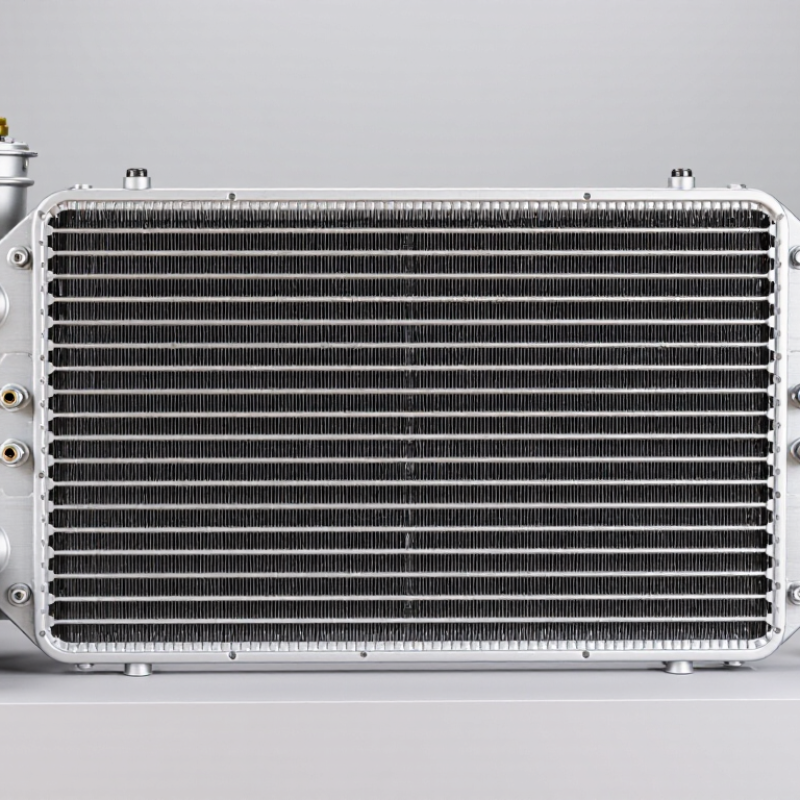
A heavy-duty truck radiator moves engine heat into the surrounding air. Coolant absorbs heat as it passes through channels in the engine. A water pump keeps that coolant moving through the cooling system. When it reaches the radiator, the fluid flows through narrow tubes. Thin metal fins around those tubes help transfer heat to passing air.

Airflow matters. At road speed, air passes through the radiator core. During slow climbs or idle periods, a fan helps maintain airflow. A thermostat controls when coolant flows through the radiator, helping the engine reach and hold its operating temperature. The pressure cap also matters: it keeps the system pressurized, which raises coolant’s boiling point. Small parts, big effect.

Heavy Loads and Cooling Performance

Heavy loads, dusty roads, and long uphill pulls can challenge the system. Debris between the fins may restrict airflow, while low coolant or a worn hose can reduce cooling performance. A rising temperature gauge is a warning, not a diagnosis. Check for leaks, damaged fins, and blocked airflow, but let the engine cool before opening the system. Hot coolant can cause serious burns. Radiator design and capacity vary by truck, so fitment and cooling requirements should match the vehicle’s engine and workload. I’ve found that airflow gets overlooked; it is easy to blame the radiator alone.

Key Factors for Comparing Radiators in 2026

What Is the Best Heavy Duty Truck Radiator in 2026?

Key Factors for Comparing Radiators in 2026

The best radiator depends on the truck’s engine, workload, and operating conditions. A long-haul tractor and a dump truck crawling through dusty sites may need different cooling performance. Check the vehicle’s fitment details, inlet and outlet positions, mounting points, and required operating pressure. A small mismatch can turn installation into a frustrating job. Fit matters.

Compare cooling capacity, core dimensions, fin design, and airflow together. A thicker core is not automatically better if the fan cannot move enough air through it. Review the radiator’s rated pressure and temperature limits, plus available test documentation. Materials and corrosion protection also matter, especially for trucks exposed to road salt or frequent temperature changes. Numbers can mislead. Real conditions vary.

Tips: Match the radiator to the truck’s service manual and engine configuration before comparing prices. Ask for clear specifications and warranty terms. Check whether the design allows practical cleaning and repair. If two options appear similar, confirm the dimensions yourself; catalog listings can be incomplete. There is no perfect choice for every fleet, and a little uncertainty is worth acknowledging.

Radiator Materials, Designs, and Cooling Capacity

A heavy-duty truck radiator is not “best” by material alone. Copper-brass cores are often repairable and handle demanding service, but they add weight. Aluminum cores are lighter and can transfer heat effectively when tube and fin design is well matched. Build quality matters. A thin, poorly supported core may struggle with vibration and road debris, regardless of its material.

Look closely at the core design. Wider tubes can increase coolant contact, while tightly packed fins provide more surface area for heat exchange. But more fins are not always better. Dust, chaff, or insects can clog narrow passages and restrict airflow. On a truck that works slowly in a hot field, easy cleaning may matter more than a dense core. Check that the radiator also fits the fan shroud and mounting points; small gaps can let air bypass the core.

Cooling capacity should match the engine’s heat load and real operating conditions, including towing weight, ambient temperature, and low-speed work. Compare rated capacity using consistent test conditions, then confirm compatibility with the truck’s coolant flow and pressure requirements. A larger radiator may seem safer, but it cannot fix a weak fan or blocked airflow. I would verify those details before choosing; specifications alone can leave a few questions unanswered.

What Is the Best Heavy Duty Truck Radiator in 2026? — Radiator Materials, Designs, and Cooling Capacity
Radiator Type Typical Materials and Construction Cooling Capacity Considerations Durability and Serviceability Best Suited For Key Trade-Off
Brazed aluminum, tube-and-fin Aluminum tubes and fins are joined by brazing into a lightweight core; tanks are commonly aluminum or polymer, depending on the assembly. Can provide high heat rejection for its weight. Capacity depends on core size, fin and tube layout, coolant flow, airflow, and operating conditions—not material alone. Corrosion performance depends on coolant chemistry and maintenance. A damaged core is commonly repaired by specialist welding or replaced as an assembly. Weight-sensitive trucks and applications using an aluminum cooling-system design. Light weight, but thin core passages can be vulnerable to impact or fouling and may be difficult to repair in the field.
Mechanically assembled copper-brass Copper tubes and fins are assembled with brass headers and joints; construction may use soldered seams. Copper conducts heat well, but real-world cooling performance also depends on core geometry, airflow, coolant flow, and radiator condition. Often repairable by a radiator specialist. Soldered joints and the core still require inspection for leaks, vibration damage, and corrosion. Older trucks, restoration work, and fleets that value repairability where suitable parts and repair services are available. Typically heavier than comparable aluminum designs; repairability does not guarantee better cooling capacity.
Heavy-duty modular or sectional core Multiple core sections or modules are joined in a frame; materials and joining methods vary by application and specification. Can be configured for demanding heat loads and packaging requirements. The complete assembly must be rated for the engine, duty cycle, fan, and airflow path. A damaged section may be replaceable on some designs, but repair options and parts availability depend on the specific construction. Vocational, off-highway, and severe-duty vehicles where service access or specialized packaging matters. Configuration can be application-specific; replacement sections and service procedures may not be interchangeable.
High-capacity, application-matched radiator May use aluminum or copper-brass construction, with core depth, tube rows, fin density, and tank layout selected for the vehicle. The most useful comparison is verified heat rejection under stated test conditions, together with required coolant flow and air-side pressure drop. A larger core alone does not establish higher capacity. Service life depends on vibration control, cleanliness, coolant condition, pressure-cap specification, and protection from debris. Trucks with high engine heat loads, sustained low-speed work, high ambient temperatures, or demanding towing duty. Must fit the vehicle and cooling package correctly; added restriction or poor airflow can undermine performance.

Selection note: There is no single best radiator for every heavy-duty truck. Choose a unit specified for the exact engine and vehicle configuration, and compare documented heat-rejection ratings under equivalent test conditions. Confirm fitment, coolant compatibility, fan and shroud arrangement, airflow, and the vehicle manufacturer’s service requirements.

Matching a Radiator to Truck Type and Operating Conditions

What Is the Best Heavy Duty Truck Radiator in 2026?

Matching a radiator to truck type and operating conditions starts with heat rejection, not core size alone. A long-haul tractor spends hours at steady speed, while a refuse truck repeatedly idles, stops, and pulls away. NREL’s Fleet DNA commercial-vehicle data archive covers 15 vocational categories, illustrating how widely real-world duty cycles differ. Choose a radiator rated for the engine’s required heat rejection, then check that the fan, shroud, and available airflow can support it. Fit matters.

A truck hauling heavy loads through hot, slow-moving routes needs more cooling margin than one running lightly loaded highway miles. Dust, mud, and blocked fins can also reduce airflow; inspect the core after work in dirty conditions. Check the manufacturer’s pressure and temperature specifications, coolant compatibility, and physical clearances before installation. A thicker core may look like an upgrade, but it can restrict airflow if the fan system is not matched. That trade-off is easy to miss.

Tips: Record coolant temperature on the truck’s hardest route, including climbs and hot-weather idling. Compare readings with the engine maker’s limits, not a generic target. Clean fins gently, and check for leaks, bent sections, or a loose fan shroud. One overlooked airflow gap can matter more than a larger radiator.

Installation, Maintenance, and Service Life of Heavy-Duty Radiators

What Is the Best Heavy Duty Truck Radiator in 2026?

Installation, Maintenance, and Service Life of Heavy-Duty Radiators

A radiator’s service life depends on installation, coolant condition, vibration, and operating temperature; there is no reliable universal mileage limit. Before fitting a replacement, inspect the mounts, hoses, fan clearance, and surrounding shroud. A new core can fail early if the frame twists it or the fan strikes it under load. Small details matter. Flush contaminated passages, use coolant meeting the engine maker’s specification, and bleed trapped air before the first road test. Then pressure-test the system and check for seepage around joints.

During service, look for crusted coolant marks, bent fins, oily residue, and repeated temperature spikes. Clean debris gently; aggressive washing can fold the fins and reduce airflow. Follow the vehicle’s scheduled coolant checks, and investigate recurring coolant loss rather than repeatedly topping it up.

The American Transportation Research Institute’s 2024 Operational Costs of Trucking report estimated average repair and maintenance costs at about $0.20 per mile in 2023. That figure covers all truck repairs, not radiators specifically, but it shows why small cooling-system faults deserve attention.

A spotless exterior is not proof of a healthy core. Internal scale can remain hidden, and inspection alone cannot always predict failure. I have to admit, service records are often less complete than we would like. Keep dates, coolant type, pressure-test results, and repair notes together.