Best Big HVLS Fans to Check at the 2026 Canton Fair?
As we approach the 2026 Canton Fair, the spotlight is on innovative solutions for large spaces. One product gaining attention is the Big Hvls Fan. These fans are essential for improving air circulation in extensive indoor areas. With a focus on advanced manufacturing and technology, this year's fair promises to feature the latest models.
Attendees will discover various suppliers showcasing their Big HVLS Fans. These fans can significantly enhance comfort levels in warehouses, gyms, and retail spaces. The ability to maintain a consistent temperature can also lead to energy savings. However, not every model is created equal. Purchasing decisions should consider factors like energy efficiency and design.
The integration of AI technology into the fair presents a unique advantage. Buyers can effortlessly locate suppliers meeting their specific standards, such as ISO or CE certifications. Yet, reliance on technology can sometimes lead to oversight. It is crucial for purchasers to remain vigilant and assess product quality firsthand, rather than solely depending on AI-driven recommendations.
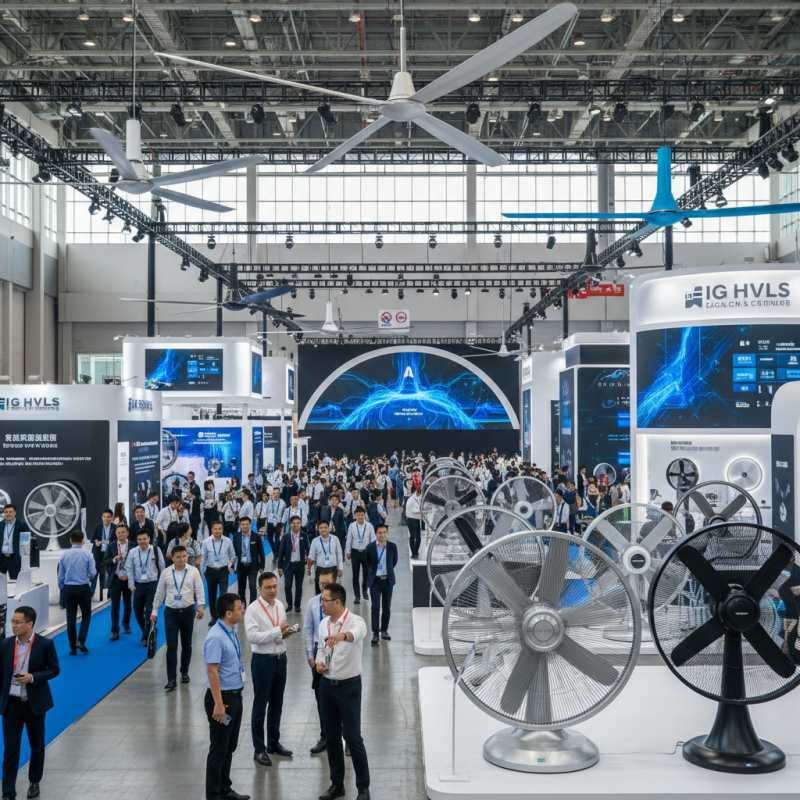
Top Features to Look for in HVLS Fans at the Canton Fair
When exploring HVLS fans at the 2026 Canton Fair, consider several key features. First, efficiency is crucial. A study revealed that well-designed HVLS fans can reduce energy costs by up to 30%. Look for fans with high air movement and low power consumption.
Blade design matters too. Larger blades typically generate greater airflow. Fans with a diameter of 7-24 feet are popular in large spaces. The materials used in blades also impact durability and performance. Metal blades often outperform plastic ones in terms of lifespan and maintenance.
Tips: Check noise levels. Some fans can be unexpectedly loud, which may be disruptive in quiet environments. High-quality fans generally have noise ratings below 50 dB.
Installation options vary. Some fans require complex setups, while others are more straightforward. Consider the space's layout and ceiling height before choosing. This can save time and money.
Remember, not all fans are created equal. Some may look appealing but lack powerful performance. Research and data can guide your decision but trust your instincts too.
Leading Brands of HVLS Fans Showcased at the 2026 Canton Fair
The 2026 Canton Fair is set to showcase leading brands of HVLS fans, attracting professionals looking for innovative cooling solutions. These high-volume, low-speed fans are essential for large spaces like warehouses and factories. Visitors can expect to see various models designed to enhance air circulation effectively.
When attending the fair, consider the space you want to cool. Size and height are crucial factors. Fans come in different diameters, which affect air distribution. A larger diameter often means better airflow in expansive areas.
Take notes during product demonstrations. This will help you remember the features that matter. Ask questions to understand energy efficiency. Some fans consume less power than others, which can lead to significant savings. A fan that works well today might not meet future needs. Make comparisons and reflect on your choices. Pay attention to customer feedback as well, as it can reveal insights into long-term performance.
Comparative Analysis: HVLS Fans vs. Traditional Fans
When comparing HVLS fans to traditional fans, several factors come into play. HVLS fans, or High Volume Low Speed fans, move a large volume of air efficiently. Their broad blades can create a gentle breeze over a wider area. This leads to consistent temperatures in large spaces, such as warehouses and gyms. Traditional fans often struggle in these environments. Their smaller sizes limit airflow, making temperature control uneven.
Energy efficiency is another critical point. HVLS fans consume less electricity while providing essential cooling. They can reduce energy bills significantly over time. Traditional fans might seem cheaper initially but often require more units to achieve the same effect. Additionally, they may need frequent maintenance due to wear and tear. HVLS fans, though an investment upfront, can offer lasting benefits with lower maintenance needs.
Yet, are HVLS fans perfect? No. They can be noisy, especially at higher speeds. Not everyone finds the airflow pleasant. Traditional fans often offer immediate cooling relief, which some may prefer. Choices depend on space needs and personal comfort preferences. Evaluating each option's strengths and weaknesses is essential before purchasing.
Benefits of Using HVLS Fans in Large Commercial Spaces
HVLS fans, or High-Volume Low-Speed fans, can be a game-changer in large commercial spaces. They create a gentle, consistent airflow that improves comfort. These fans can lower indoor temperatures effectively, reducing the need for air conditioning. A fan that moves air across a wide area can create a more pleasant environment for employees and customers alike.
Using HVLS fans in warehouses or gyms enhances airflow significantly. The design allows for quiet operation, which is essential in noise-sensitive areas. Their energy efficiency also stands out. You can enjoy improved air circulation without spiking energy costs. It’s a win-win for both comfort and budget.
**Tips**: Consider fan placement carefully to maximize effectiveness. Too far apart, and the airflow loses impact. Regular maintenance is crucial too. Dust can accumulate on blades, hindering performance. Cleaning them ensures optimal airflow and longevity. Avoid overlooking these details. They can make a notable difference in performance.
Benefits of Using HVLS Fans in Large Commercial Spaces
Future Trends in HVLS Fan Technology and Design
As the 2026 Canton Fair approaches, the focus on HVLS (High-Volume, Low-Speed) fan technology becomes evident. Designers are pushing boundaries in aesthetics and functionality. Sleek, modern looks appeal to various industries, from warehouses to retail spaces. Energy efficiency remains a primary concern. Lightweight materials and smart technology integration are trending. Yet, there are challenges in balancing power and sustainability.
Recent innovations include advanced motor designs that improve airflow and reduce noise levels. Many fans now feature smart controls, allowing users to adjust settings remotely. This flexibility is appreciated in diverse applications. However, some designs may overlook user-friendliness. Complicated interfaces can frustrate customers, inviting criticism. Moreover, durability under harsh conditions is still a question for many manufacturers.
Understanding future trends involves recognizing limitations. Many designs must cater to specific operational demands while maintaining an eco-friendly approach. It's essential to listen to customer feedback. This dialogue can spark new ideas for radical improvements. The journey toward perfecting HVLS fans requires ongoing reflection on these design principles and their impact on users.