Best Plate Shearing Machine Features and Buying Guide?
In the world of metal fabrication, the "Plate Shearing Machine" stands as a pivotal tool. According to John Smith, an expert in metalworking machinery, “The right shearing machine makes all the difference in precision.” His insight reflects the importance of understanding features that enhance performance and reliability.
Choosing a Plate Shearing Machine involves understanding its capabilities and limitations. Features such as cutting precision, speed, and blade quality can significantly influence project outcomes. Selecting a machine that aligns with specific requirements is crucial. A well-suited machine can boost productivity, while the wrong choice may lead to inefficiencies.
The decision process for buying a Plate Shearing Machine requires careful reflection. Considerations like maintenance, operational ease, and manufacturer reputation impact long-term satisfaction. It's essential to weigh all factors, ensuring that the final choice is informed and practical. Remember, a machine can only perform as well as its operator and environment allow.
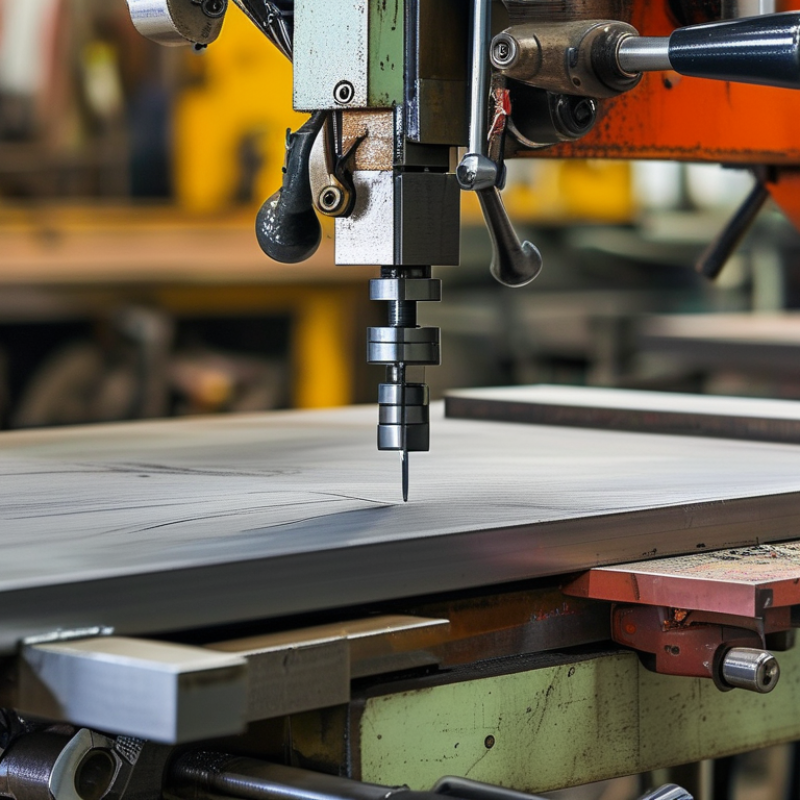
Key Features of an Effective Plate Shearing Machine
When choosing a plate shearing machine, key features determine its effectiveness. A robust frame provides stability during operations. It minimizes vibrations and enhances cutting precision. Hydraulic systems are crucial for ensuring consistent pressure. This leads to clean cuts and reduces material waste.
Tips: Always check the machine's capacity. It should meet your specific cutting needs. A machine too small for your projects can cause frustrations.
Blade quality is another critical factor. High-quality materials extend the lifespan of blades. Regular maintenance is essential. Dull blades can lead to poor cuts and increased wear on the machine.
Tip: Create a maintenance schedule. It ensures your machine operates smoothly and efficiently. Keep an eye on the hydraulic fluid levels too. Neglect can lead to operational issues.
Best Plate Shearing Machine Features and Buying Guide
| Feature | Description | Importance | Considerations |
| Cutting Capacity | The maximum thickness and width of material that can be cut. | High | Ensure it meets your project requirements. |
| Shearing Speed | The speed at which the machine processes material. | Medium | Balance between speed and precision. |
| Precision | Accuracy of cuts to specifications. | High | Essential for detailed work. |
| Durability | The machine's ability to withstand wear and tear. | High | Look for quality materials. |
| Safety Features | Incorporated safety measures to protect the operator. | High | Check for emergency stops, guards, etc. |
| Maintenance Requirements | Needed upkeep for optimal performance. | Medium | Consider ease of access for service. |
Types of Plate Shearing Machines Available in the Market
When exploring the types of plate shearing machines available in the market, it is essential to understand their classifications. These machines can be categorized into mechanical, hydraulic, and CNC shearing types. Mechanical shearing machines are high-speed options. They are ideal for simple tasks. Hydraulic shearing machines offer more power and precision. They are suitable for thicker materials. The CNC (Computer Numerical Control) variants deliver unparalleled accuracy. They are perfect for complex designs and high-volume production.
Each type has its strengths. Mechanical machines can operate faster, yet they may not provide the same level of control as hydraulic models. In a recent report by the Fabricators & Manufacturers Association, 48% of manufacturers prefer hydraulic shears for versatility. However, CNC shears have gained traction, with usage increasing by 20% over the past five years. This trend indicates a shift toward automation and efficiency in manufacturing processes. Buyers must weigh productivity against cost and complexity.
Factors to Consider When Buying a Plate Shearing Machine
When considering the purchase of a plate shearing machine, several factors significantly influence the decision-making process. The material type and thickness you plan to shear are crucial. Common steel grades include mild steel, stainless steel, and alloy steel, with varying thickness limits. Industry reports suggest that the optimal capacity for most small to medium-sized shops is between 6 mm to 10 mm for mild steel, as this covers the majority of applications.
Another essential factor is the machine’s shearing force. The shearing force should match your operational needs. Most machines operate with forces ranging from 50 to 500 tons. Performance metrics can often be misleading, so examine actual user feedback and productivity reports.
Tip: Always check if the machine can accommodate future needs. Expanding your capabilities can save costs in the long run.
Additionally, consider the machine's safety features. These include automatic shut-off systems and emergency stop buttons, which are essential for safe operation. Research findings indicate that safety incidents in the metalworking industry remain a concern. Proper training and awareness about these features can help mitigate risks.
Tip: Review user manuals and safety documentation thoroughly. Understanding the operational guidelines can prevent missteps and ensure a smoother workflow.
Popular Brands and Their Recommendations for Plate Shearing Machines
When considering plate shearing machines, it's helpful to know which brands are frequently recommended by industry experts. Established companies often showcase their expertise through quality and innovation. Users commonly praise machines that offer user-friendly controls and precise cutting capabilities. Reliability in performance is crucial, especially in high-demand environments.
Look for brands known for robust customer support. Many users value this as a sign of trustworthiness. Additionally, machines with a high level of adaptability can be particularly beneficial. These machines should handle various material thicknesses efficiently. A common concern is the balance between cost and features. Some options may appear budget-friendly but lack essential functions.
Choosing a plate shearing machine can be tricky, given the range of options. It is essential to carefully evaluate each brand’s recommendations and user reviews. Pay attention to feedback about durability and ease of maintenance. Often, the most popular machines reflect real-world needs. Engaging with user communities can reveal insights that help in making informed decisions.
Plate Shearing Machines Performance Metrics
Maintenance Tips for Extending the Life of Your Plate Shearing Machine
Maintaining your plate shearing machine is crucial for optimal performance. Regular checks can prevent breakdowns and extend machine life. Ensure that blades are sharp and free from debris. Dull blades can lead to poor cuts and increased wear on the machine. Inspecting the alignment of blades is also important. Misalignment can cause unnecessary strain, potentially leading to costly repairs.
Lubrication is another key aspect of maintenance. Regularly lubricate moving parts to minimize friction. This will help in reducing wear and tear. Despite being simple, some operators often overlook this step, leading to unexpected issues. Clean the machine regularly to prevent dust and metal shavings from accumulating. This not only keeps the machine clean but also ensures smooth operation.
Monitor the electrical components as well. Over time, connections can loosen or deteriorate. A visual inspection can help catch potential issues early on. Keeping a maintenance log can be beneficial. Documenting any irregularities or repairs can provide insights for future upkeep. While it may seem tedious, this practice fosters a proactive rather than reactive approach to maintenance.