Best Stainless Steel Products for Global Procurement Needs?
Stainless Steel has become a cornerstone material in global procurement markets. Recent industry reports indicate that global stainless steel demand is expected to reach 53 million metric tons by 2026. This growth reflects its diverse applications in various sectors, from construction to food processing. The reliability of stainless steel lies in its corrosion resistance and strength, making it invaluable.
With the expanding global market, selecting the best stainless steel products is vital for businesses. Companies need to focus on quality and compliance. Poor choices can lead to project delays and higher costs. Inadequate materials can compromise safety and reduce longevity.
Professionals in the industry often face challenges in sourcing stainless steel. Errors in procurement can arise from miscalculations or inadequate supplier evaluations. Thus, understanding the market and keeping up with industry standards is essential. Quality assurance should be a priority.
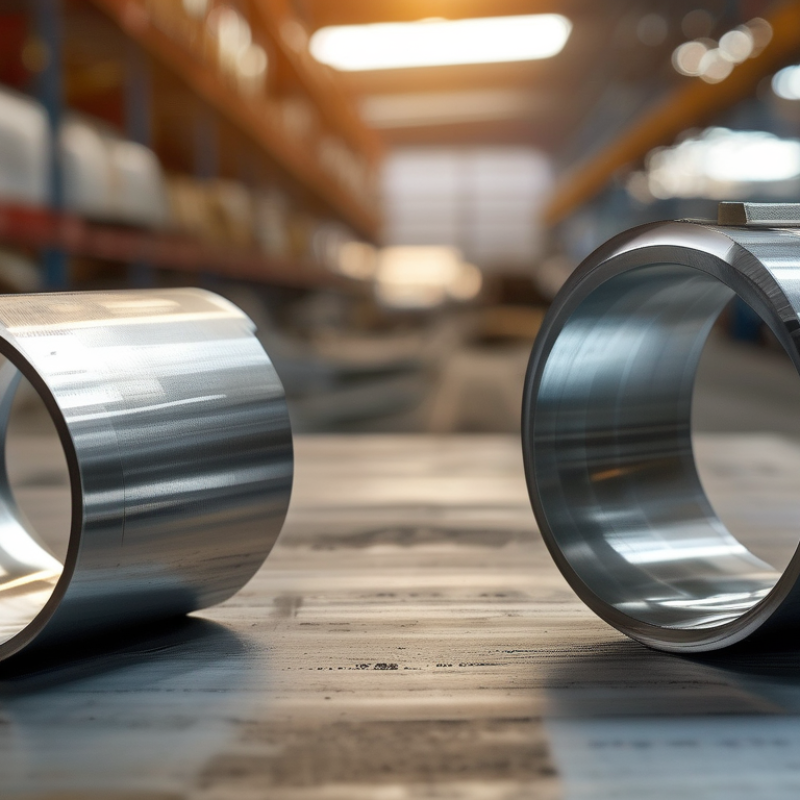
Understanding the Importance of Stainless Steel in Global Procurement
Stainless steel has become a cornerstone in global procurement. Its unique properties make it indispensable across various industries. Corrosion resistance, durability, and aesthetic appeal ensure its popularity. Many sectors, including automotive and construction, rely on stainless steel for their products. Without it, these industries would struggle to maintain quality standards.
Understanding the importance of stainless steel goes beyond its physical qualities. It’s vital to consider global supply chains. Fluctuations in stainless steel prices can impact procurement decisions. Businesses need to stay informed and adaptable. This may require building relationships with diverse suppliers. However, not every supplier can guarantee quality or compliance. Challenges often arise when evaluating potential partners.
While stainless steel offers numerous benefits, it's essential to recognize its limitations. Recycling processes can lead to variations in quality. Moreover, environmental concerns about mining and production exist. Companies should reflect on their choices and the long-term impact on sustainability. Balancing quality and responsible sourcing is crucial for effective global procurement.
Best Stainless Steel Products for Global Procurement Needs
| Product Type | Grade | Application | Corrosion Resistance | Typical Use |
| Stainless Steel Sheets | 304 | Construction | Moderate | Building facades |
| Stainless Steel Pipes | 316 | Oil & Gas | High | Marine environments |
| Stainless Steel Fasteners | 410 | Automotive | Moderate | Engine components |
| Stainless Steel Tanks | 304L | Food & Beverage | Very High | Storage of liquids |
| Stainless Steel Cutlery | 420 | Household | Moderate | Dining and cooking |
Key Characteristics of Stainless Steel for Industrial Applications
Stainless steel is a vital material for many industries. Its unique characteristics make it suitable for various industrial applications. One key feature is corrosion resistance. This property ensures durability and longevity in harsh environments. Industries like food processing and pharmaceuticals rely on this characteristic to maintain hygiene and safety.
Another important trait is its strength-to-weight ratio. Stainless steel is robust yet lightweight. This quality allows for versatile designs and applications. For instance, in construction and manufacturing, it provides structural integrity without adding excessive weight. Moreover, its ability to withstand extreme temperatures is crucial for many operations. However, it can be costly compared to other materials, which poses a challenge for budget-conscious projects.
Finally, stainless steel is easily recyclable. This trait supports sustainability efforts and environmental responsibility. Yet, the recycling process requires energy and resources, which can be a drawback. Overall, acknowledging both strengths and limitations is essential for effective procurement and usage of stainless steel in industrial settings.
Stainless Steel Characteristics for Industrial Applications
Top Stainless Steel Products for Diverse Procurement Needs
When considering procurement needs, stainless steel items stand out for their durability and versatility. From kitchen utensils to industrial machinery, the demand for high-quality stainless steel products is undeniable. Buyers value materials that resist corrosion and withstand extreme temperatures. This makes stainless steel a top choice in diverse sectors.
Different industries require various stainless steel products. For instance, the food industry relies heavily on stainless steel cooking equipment. Cleanliness and safety are paramount, so using stainless steel makes sense. Similarly, the construction industry utilizes stainless steel for its structural integrity. However, not all stainless steel is created equal. Buyers should assess the grade and quality before making a decision.
Practicality also plays a role in selecting stainless steel items. Consideration of weight and finish can impact usability. Some may find a brushed finish more appealing, while others prefer a polished look. Understanding these nuances helps in choosing products tailored to specific needs. Reflection on feedback and experiences can lead to better procurement choices. It's essential to stay informed and adapt to changing market demands.
Sourcing Strategies for High-Quality Stainless Steel Supplies
When sourcing high-quality stainless steel supplies, it's crucial to use effective strategies. Begin by assessing your specific needs. Identify the grades of stainless steel required for your projects. This knowledge helps narrow down potential suppliers. Understanding the differences between grades can lead to better procurement choices.
Next, prioritize transparency and communication with suppliers. Request detailed product specifications and quality certifications. Always verify supplier credentials. Trusted suppliers should provide comprehensive information about their manufacturing processes. Doing so establishes reliability and ensures that products meet industry standards.
Consider the geographical location of suppliers. Proximity can reduce shipping times and costs. However, don't overlook international options. Some regions specialize in high-quality stainless steel. Research these suppliers thoroughly. An imperfect process might lead to delays or inferior quality. Reflection on past sourcing experiences can enhance your strategy for future procurement.
Navigating Global Suppliers and Market Trends in Stainless Steel
Navigating global suppliers and market trends in stainless steel can be challenging. With the rising demand for sustainable materials, suppliers are adapting. It's essential to monitor shifts in production methods and innovations in alloy development.
Tips: Always verify supplier certifications. This ensures they meet industry standards for quality and safety.
Market trends indicate a move towards
eco-friendly stainless steel options. Many manufacturers focus on reducing energy consumption during production. This shift not only helps the environment but also meets consumer expectations for sustainability.
Tips: Research the lifecycle impact of stainless steel products. Understanding the environmental footprint can guide better procurement decisions.
Relationships with suppliers matter in this industry. Building a strong network could provide insights into
pricing and availability. Trustworthy suppliers can also facilitate smoother transactions and mitigate risks.
Tips: Regular communication with suppliers can reveal market trends. Staying informed will help you adapt to changes swiftly.