
Automated Dispensing Robot Videos

A World of Robotic Dispensing and Assembly Solutions

Best Triple Eccentric Butterfly Valves in 2026?

Choosing the best Triple Eccentric butterfly valve in 2026 means looking beyond the catalogue price. These valves are used where tight shutoff, temperature resistance, and dependable cycling matter. Think of a refinery line switching between hot process fluids, or a power plant isolating a large-diameter pipe. The operating details matter.

The U.S. Energy Information Administration’s International Energy Outlook 2023 projects global energy consumption will rise about 34% between 2022 and 2050 in its reference case. That outlook does not measure butterfly-valve demand. It does, however, underline why dependable flow-control equipment remains important across energy systems. Buyers should compare pressure and temperature ratings, materials, tested leakage performance, actuation needs, and maintenance access. API 609 provides recognized requirements for butterfly valves, but compliance alone does not prove a valve suits every service.

A useful shortlist should include manufacturers’ test evidence, applicable standards, and documented field experience. Check seat design and torque data, too. Small details count. A poorly matched actuator or unsuitable disc material can undermine an otherwise strong specification. This guide compares leading options for 2026 and explains where each may fit. No single model is best everywhere; service conditions and verification should decide.
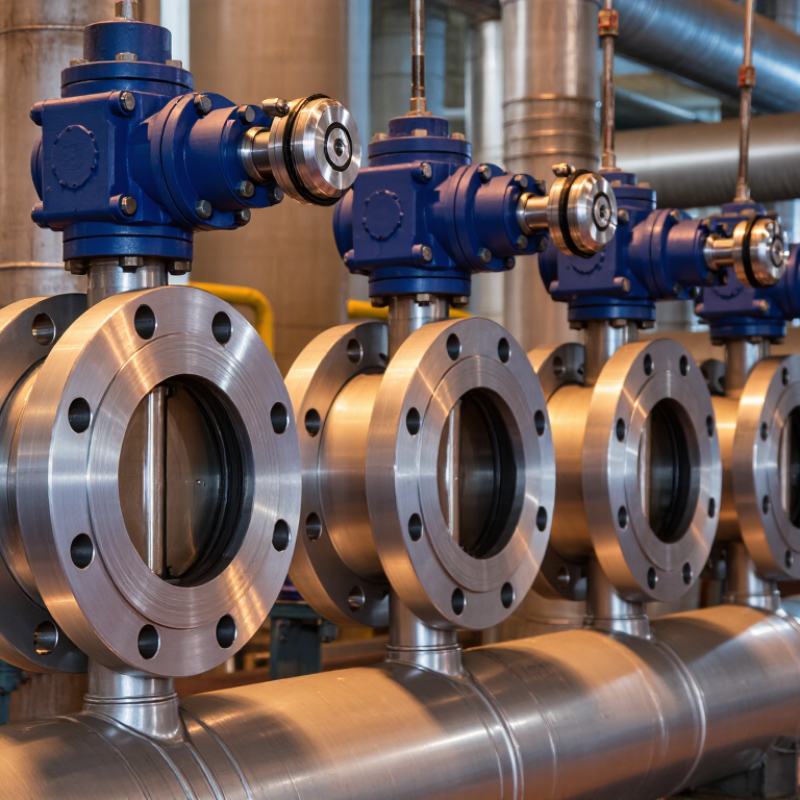
Best Triple Eccentric Butterfly Valves in 2026?

What Defines a Triple Eccentric Butterfly Valve?

A triple eccentric butterfly valve is defined by three deliberate offsets in its geometry. The first places the stem behind the disc’s sealing plane. The second shifts the stem away from the centerline of the pipe. The third angles the sealing surfaces into a cone, rather than keeping them flat. Together, these offsets create a cam-like motion: as the valve opens, the disc quickly moves clear of the seat. Contact occurs mainly near the closed position, reducing rubbing between sealing surfaces.

Many designs use metal-to-metal sealing, making them suitable for demanding temperatures or pressure conditions when correctly selected. The exact performance depends on materials, dimensions, and operating conditions. It is not magic. A valve can still leak if its seat is damaged, installation is poor, or the application exceeds its design limits. That distinction is easy to overlook.

Tips: Check the flow direction and installation instructions before fitting the valve. Confirm that the pressure, temperature, and fluid match its rated service. During inspection, look for wear or deposits around the disc and seat. A tight shutoff on paper may not stay tight in a dirty pipeline.

How Triple-Offset Geometry Creates a Tight Seal

A triple-offset butterfly valve creates a tight seal through carefully arranged geometry. The stem axis is offset from the disc and pipe centerlines, while the sealing surfaces form a cone. These offsets guide the disc away from the seat as it opens, reducing rubbing during rotation. Near the closed position, the disc moves into the seat with a cam-like action. Contact happens at the end of travel. That matters.

Because the sealing surfaces meet mainly at closure, some designs use metal-to-metal contact for demanding temperatures and pressures. But geometry alone cannot guarantee a leak-free result. Seat materials, machining quality, actuator setup, and service conditions all matter. When comparing valves in 2026, check pressure and temperature ratings against the actual process, not just the catalogue headline. A practical inspection should look for even contact marks around the seat and smooth disc movement. Small alignment errors can undermine the seal. Triple-offset construction can reduce wear, yet it is not maintenance-proof; abrasive media and poor installation still take a toll. There is no magic angle.

Key Criteria for Comparing Valves in 2026

A useful 2026 comparison starts with the service, not the catalog. Record the fluid, pressure, temperature range, and number of operating cycles. A valve handling hot condensate may need different materials and sealing than one used for clean water. Small details matter.

Check the body, disc, shaft, and seat materials against the actual medium. Then compare leakage performance, pressure ratings, and test documentation. Ask how the triple-offset geometry reduces seat contact during opening; this can help limit wear, but does not guarantee a longer service life in every installation. Look closely at operating torque, too. A large valve may need a different actuator than the existing control system can support.

Consider maintenance access and replacement-part availability alongside purchase cost. Inspect the proposed face-to-face dimensions against the pipeline drawing, and confirm the valve’s temperature and pressure limits in its technical documents. Request evidence of relevant testing rather than relying on broad claims. I would avoid ranking valves by one headline figure. Real operating conditions are messy, and a tidy comparison table can hide them. Still, using the same checklist for every candidate makes differences easier to verify.

Best Triple Eccentric Butterfly Valves in 2026? Key Criteria for Comparing Valves

API 598 pressure-test benchmarks for comparing valve specifications

How to use this chart: API 598 specifies a shell-test pressure of 1.5× and a high-pressure closure-test pressure of 1.1× the applicable pressure rating at 100°F (38°C). These are test benchmarks, not product-performance scores. When comparing triple eccentric butterfly valves, also check the applicable standard and edition, pressure-temperature rating, seat and body materials, leakage acceptance criteria, operating torque, and required service life.

Source: API Standard 598, Valve Inspection and Testing. Confirm the required test procedure and acceptance criteria in the project specification.

Leading Valve Designs and Their Applications

Triple-eccentric butterfly valves use three carefully positioned offsets to reduce contact between the disc and seat during operation. This geometry can limit wear and help provide tight shutoff in demanding service. Metal seats are often selected for hot fluids, steam, or applications involving frequent cycling. The design may also suit large pipelines where a compact, quarter-turn valve is useful. Details matter.

Not every triple-offset design performs equally in every system. Compare pressure and temperature ratings, seat materials, flow direction, and actuator requirements against actual operating conditions. In a refinery, power plant, or thermal oil line, temperature changes can affect sealing and material selection. Check the valve’s documented leakage class and maintenance requirements, too. A strong design on paper can still be the wrong fit if installation space or operating torque is overlooked.

Tips: Confirm the process temperature and pressure before comparing valve designs. Ask for test documentation and material specifications. Inspect the seat and disc arrangement, especially for abrasive or corrosive media. Keep access for inspection in the piping layout. One detail is easy to miss: operating conditions may change over time, so leave room for a careful review.

How to Select a Valve for Specific Operating Conditions

Best Triple Eccentric Butterfly Valves in 2026?

How to Select a Valve for Specific Operating Conditions

Start with the actual duty, not the valve catalogue. Record the medium, normal and peak pressure, temperature range, flow direction, and cycling frequency. A hot steam line and a water line may share a nominal size, but their sealing and material demands differ. The U.S. Department of Energy’s Improving Steam System Performance sourcebook reports that steam systems account for about 37% of fossil fuel use in U.S. manufacturing. That figure makes reliable isolation more than a maintenance detail.

For triple eccentric designs, check the pressure-temperature rating and confirm the seat materials suit the fluid. Metal seats can handle demanding temperatures, but shutoff performance depends on the specified leakage class and correct installation. Ask for test documentation, torque data, and the actuator’s margin at the lowest available supply pressure. Tight spaces matter, too. Measure face-to-face length and verify the disc clears nearby pipework.

Real service is rarely as tidy as the datasheet. Particles, thermal cycling, and infrequent operation can change performance over time. If the line carries abrasive solids, request application-specific wear evidence rather than assuming a hard seat solves everything. It may not. Compare expected maintenance access and replacement intervals, then have the final selection reviewed against the plant’s operating envelope and applicable valve standards.

Article Source: