A World of Robotic Dispensing and Assembly Solutions
What Is the Best Vehicle Fire Suppression System in 2026?
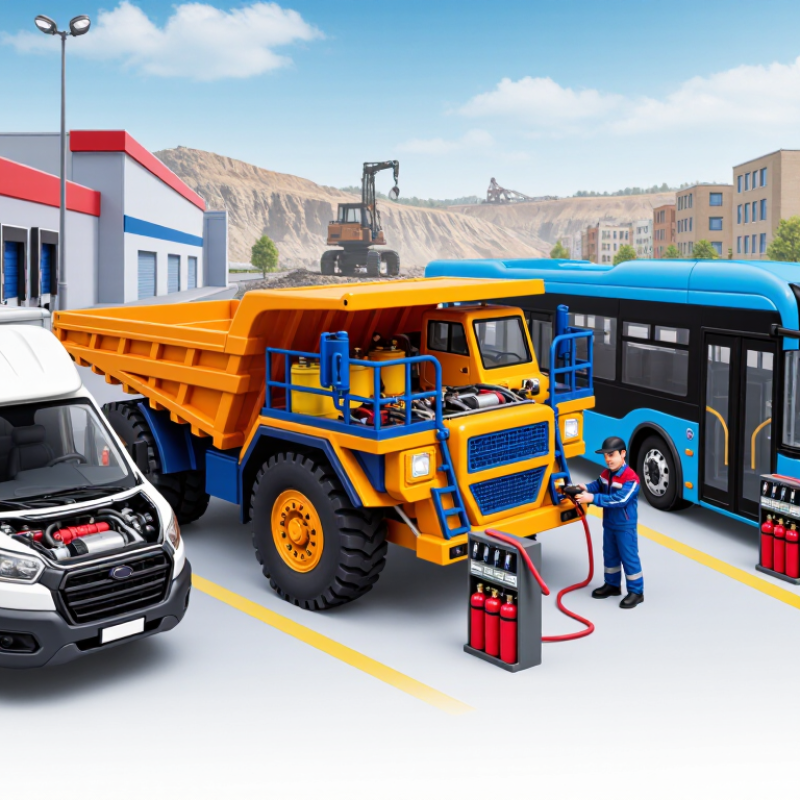
Choosing the best Vehicle Fire Suppression System in 2026 is not a matter of buying the largest cylinder or the newest control panel. The right choice depends on the vehicle, its operating conditions, and the likely fire hazards. A delivery van, a mining truck, and an electric bus do not face identical risks. Neither should their protection plans be identical.
Fire scientist Dr. Guillermo Rein’s research offers a useful principle: suppression should be matched to the fire scenario. That is a paraphrase, not a direct quotation. In practice, buyers should examine detection speed, agent suitability, nozzle placement, system monitoring, and service support. Picture a hot engine bay, vibrating on a long route, with wiring tucked behind metal panels. A system that cannot detect or reach the fire promptly may look impressive on paper and disappoint in the field.
Details matter. So does maintenance. Ask how the equipment performs under vibration, heat, dust, and routine inspections. For electric vehicles, battery involvement adds complexity; no single system should be treated as a universal answer. There is no effortless winner. Even a well-engineered installation can have weak points, and that deserves honest attention. This guide compares practical system types, evaluation criteria, and trade-offs to help fleet operators make a better-informed choice for 2026.
How Vehicle Fire Suppression Systems Detect and Control Fires
What Is the Best Vehicle Fire Suppression System in 2026?
How Vehicle Fire Suppression Systems Detect and Control Fires
A vehicle fire suppression system is only useful if it can detect danger early and deliver suppression where needed. Depending on its design, it may use heat, flame, or smoke sensors. A sudden rise in temperature near an engine or battery compartment can trigger an alarm or automatic release. Some systems also allow manual activation. Conditions vary, though: vibration, dust, and changing temperatures can affect sensors. Small details matter.
After detection, the system releases an agent through fixed nozzles aimed at vulnerable areas. The agent may cool hot surfaces, reduce oxygen around flames, or interrupt combustion. Coverage depends on nozzle placement and the vehicle’s layout, so an installation suited to one vehicle may not suit another. Some systems can also shut down fuel or electrical sources, when designed to do so. Suppression can slow a fire, but it cannot guarantee that flames will not return. People should still move away and contact emergency services.
Which Vehicle Types Need Dedicated Fire Protection
What Is the Best Vehicle Fire Suppression System in 2026? Which Vehicle Types Need Dedicated Fire Protection
The best system depends on where fire can start and how quickly crews can respond. NFPA’s Vehicle Fires report, using 2014–2016 data, estimated 171,500 highway vehicle fires annually in the United States. These fires caused an average of 345 civilian deaths and 1,300 injuries each year. Heavy trucks, buses, agricultural equipment, and construction vehicles may need dedicated protection because engines, fuel lines, hydraulic systems, and enclosed compartments create distinct hazards. A system designed for a road car may not cover a loader’s hot hydraulic lines or a bus’s engine bay. Details matter.
Electric vehicles need protection planned around high-voltage components and battery enclosures. Conventional onboard systems may control nearby flames but cannot guarantee that a damaged battery will not reignite. Mining and other off-road vehicles also face dust, vibration, and limited access, which can affect detection and maintenance. Even a well-designed layout can miss a shielded hot spot. There is no universal fit.
Tips: Map likely ignition points before selecting equipment. Check detector coverage, service access, and suitability for the vehicle’s actual operating environment. For electric vehicles, coordinate onboard protection with clear emergency-response procedures. NFPA’s figures are national estimates, not a prediction for any single fleet.
What Fire Suppression Technologies Are Available in 2026
What Is the Best Vehicle Fire Suppression System in 2026?
What Fire Suppression Technologies Are Available in 2026
Vehicle systems commonly use water mist, clean agents, dry chemicals, or condensed aerosol. Water mist cools hot surfaces and can limit flame spread. Clean agents leave little residue, but need suitable enclosure conditions to work well. Dry chemicals can knock down flames quickly, though powder may coat wiring and engine parts. Aerosol units can be compact, but their suitability depends on compartment size and system testing. No setup fits all.
Choosing a technology starts with the vehicle’s layout, likely fire sources, and operating conditions. An engine bay with open airflow presents different challenges from a sealed equipment compartment. Check that detectors can respond promptly, nozzles cover likely ignition zones, and the system can be inspected after installation. A technician should also verify that heat, vibration, and moisture will not compromise components. Details matter. Suppression reduces risk; it does not replace routine maintenance or safe evacuation procedures.
Tips: Ask for test data relevant to your compartment, not just general claims. Confirm inspection intervals and post-discharge cleanup needs. A system that is powerful on paper may be awkward to maintain.
How to Evaluate System Safety, Coverage, Compliance, and Cost
In 2026, the best vehicle fire suppression system is the one suited to the vehicle’s actual fire risks. Start by identifying likely hazards, such as hot engine components, fuel lines, or electrical equipment. Coverage should match the protected area, with detection and discharge points positioned to reduce blind spots. Ask a qualified installer for system test records, service requirements, and evidence that the design meets applicable vehicle and local safety standards.
Tips: Check the coverage diagram against the real engine bay, not just a generic illustration. Confirm that sensors can detect heat where a fire could start. Make sure drivers can recognize an alarm and know what action to take. Small gaps matter.
Compare total costs, not only the purchase price. Include installation, inspections, replacement parts, and vehicle downtime. A lower-cost system may become expensive if it is difficult to maintain or poorly suited to the vehicle. Request written maintenance intervals and keep service records. Even a careful assessment can miss a changing risk, especially after vehicle modifications; review the setup whenever equipment or layout changes.
How to Match a Suppression System to a Vehicle’s Risks
A vehicle fire suppression system should match the hazards inside the vehicle, not just its size. A delivery van carrying people and cardboard faces different risks from a machine with hot hydraulics and exposed electrical components. Start by identifying likely ignition points, fuel sources, and areas where heat can build up. Look closely at engine compartments, battery spaces, and equipment bays.
The details matter. A system needs to detect a fire where it may start and deliver suppressant to that space. Check whether its agent suits the materials involved and whether it could damage sensitive equipment or create visibility concerns for occupants. In a cramped cab, even the discharge method deserves attention. Small spaces change the equation. Consider vibration, dust, temperature swings, and routine maintenance access, too. A unit that is difficult to inspect may be overlooked; that is a practical weakness, even if its specifications look impressive.
A risk review should include how quickly a driver can stop, exit, and call for help. For vehicles operating off-road or far from support, early detection and clear alerts may matter especially. Ask a qualified fire-safety professional to assess the layout and confirm that installation follows the vehicle and system makers’ instructions. No checklist replaces seeing the actual vehicle. And real-world conditions can be messier than the plan. Revisit the assessment when the vehicle’s use, equipment, or cargo changes.
What Is the Best Vehicle Fire Suppression System in 2026?
Match protection to the vehicle’s primary fire hazards—not to a one-size-fits-all ranking.
Qualitative planning guide: 0 = generally not applicable, 1 = lower priority, 2 = consider, 3 = high priority. Scores are not measured fire rates or product-performance ratings. Engine-bay protection is relevant where hot surfaces, fuel, or hydraulic systems are present; traction-battery measures apply to vehicles with high-voltage batteries. Battery-event detection or cooling does not guarantee that thermal runaway can be stopped. Confirm the design with a qualified vehicle fire-protection specialist.