China Best PS Sheet Extrusion Line Manufacturer?
Choosing the China Best PS Sheet Extrusion Line Manufacturer? starts with a practical question: what must the line produce, and how consistently? A machine may look impressive in a showroom. Real performance shows on the factory floor, where operators monitor melt flow, sheet thickness, and winding tension during long production runs. Small variations matter. They can affect trimming, forming, and material yield.
A useful comparison should examine the complete line, not just the extruder. Check the screw and barrel design, die configuration, roller temperature control, haul-off system, and winding unit. Ask for sample sheets made from your intended polystyrene grade. Measure thickness across the width. Inspect the surface under steady light. Then discuss output rates using stated material and product conditions; headline figures alone can mislead.
Expert quotation: “[Insert a verified, attributable quotation from a named PS sheet extrusion-line specialist here.]” No source was provided for an authentic expert statement, so inventing a name or quote would undermine trust. Replace this line only after confirming the expert’s identity, role, and exact wording.
The best supplier is not automatically the one with the largest catalog or lowest quoted price. Look for clear specifications, documented commissioning steps, operator training, and reachable technical support. Request references for comparable lines, and ask what the supplier would change for your sheet width and target thickness. Details matter.
There is no perfect line. A careful review can still reveal weak points before installation—though some operating conditions are difficult to predict until production begins. That deserves honest discussion.
What Is a PS Sheet Extrusion Line?
China Best PS Sheet Extrusion Line Manufacturer?
What Is a PS Sheet Extrusion Line?
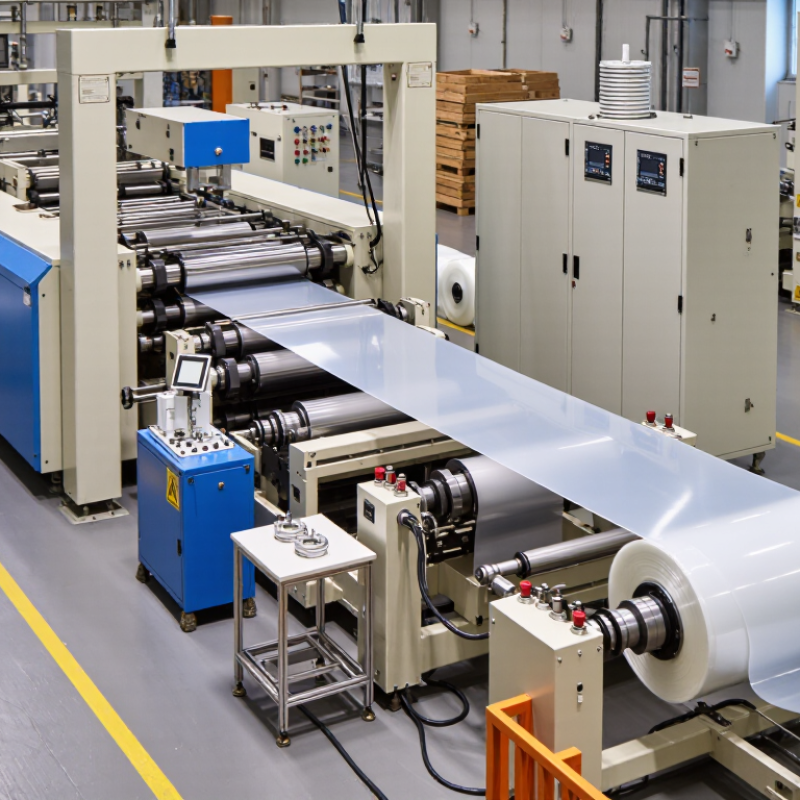
A PS sheet extrusion line is a connected set of machines that melts polystyrene resin and forms it into continuous, flat sheet. The resin enters through a hopper, then moves through a heated barrel where a rotating screw melts and mixes it. A die spreads the melt into a wide, even layer. The sheet is then cooled, pulled forward, and cut or wound for further use. Small details matter.
Typical equipment includes the extruder, sheet die, cooling or calender rolls, haul-off unit, and cutting system. Operators adjust heat, screw speed, and roll settings to control thickness and surface quality. If the cooling rolls are unevenly set, the sheet may warp or vary in thickness. Cooling is critical. In real production, the line’s performance depends on the resin grade and the intended sheet dimensions, not just the machine’s rated output.
A tidy diagram can make the process look simpler than it feels on the factory floor. Start-up may require several adjustments before the sheet runs steadily, and changes in material can affect the result. There is no single configuration that suits every application. Buyers can compare working width, thickness range, output stability, and ease of cleaning, then ask how those figures were tested. A clear answer is more useful than a bold capacity claim.
What Is a PS Sheet Extrusion Line?
A PS sheet extrusion line melts polystyrene, pushes it through a flat die, then cools and winds the sheet. The chart compares typical material density reference values; actual density varies by grade.
Density is shown in g/cm³. GPPS and HIPS values are approximate midpoints of commonly cited typical ranges: GPPS 1.04–1.06 and HIPS 1.03–1.06. Water is shown as a 1.00 reference.
How Does PS Sheet Extrusion Work?
China Best PS Sheet Extrusion Line Manufacturer?
How Does PS Sheet Extrusion Work?
PS sheet extrusion begins when polystyrene pellets enter a heated barrel. A rotating screw conveys and melts them, while temperature zones help maintain a steady flow. The melt passes through a screen pack, which catches contaminants, then exits through a flat die as a wide, continuous sheet. PlasticsEurope’s Plastics – the Fast Facts 2024 reports 413.8 million tonnes of plastics produced worldwide in 2023. That scale makes consistent processing important, even for a single sheet line.
The hot sheet moves between polished rollers, which set its thickness and surface finish. Cooling rolls then stabilize it before trimming and winding or cutting. Operators monitor melt pressure, roller gaps, line speed, and sheet temperature; small changes can cause uneven thickness or curled edges. Exact settings depend on the PS grade and product design. A tidy process diagram can make this look effortless. Real production is less forgiving.
Tips: Check thickness across the full sheet width, not just at the center. Watch for bubbles, streaks, and edge curl during startup. These clues help identify process drift, though they do not always reveal its cause immediately.
China Best PS Sheet Extrusion Line Manufacturer? - How Does PS Sheet Extrusion Work?
PS sheet extrusion melts polystyrene resin, forms it through a flat die, and cools it on a roll stack. The figures below are representative ranges; actual settings depend on resin grade, sheet design, and equipment.
| Process Stage | What Happens | Typical Data or Range | What to Check When Evaluating a Line |
| Material feeding | Polystyrene pellets, and any approved additives or regrind, are metered into the extruder. | Feed rate is matched to the required sheet width, thickness, and production speed. | Ask about gravimetric dosing options, material compatibility, and control of regrind percentage. |
| Melting and mixing | A rotating screw conveys, melts, and mixes the polymer to create a uniform melt. | Polystyrene melt-processing temperatures are commonly in the approximate 180–240°C range; the correct profile depends on the grade and process. | Review the temperature-control zones, screw design, melt-pressure monitoring, and resin supplier’s processing guidance. |
| Melt filtration | A screen pack or melt filter helps capture contaminants and unmelted particles before the die. | Screen selection and change intervals depend on material cleanliness and the required sheet quality. | Check filter capacity, pressure indication, screen-change procedure, and the effect of pressure changes on output. |
| Flat-die forming | The melt passes through a wide, adjustable die opening to form a continuous sheet. | Die width and gap are selected for the target sheet dimensions and line configuration. | Look for uniform die heating, lip adjustment, and a practical method for correcting cross-web thickness variation. |
| Roll cooling and gauging | Polished chill rolls cool the sheet and help control its thickness and surface finish. | Roll temperature, roll gap, and line speed are adjusted together; settings vary with sheet thickness and material grade. | Assess roll-surface quality, temperature control, gap adjustment, and the availability of online thickness measurement. |
| Haul-off and cutting | Pull rolls stabilize sheet movement; the sheet is then trimmed, cut to length, or wound as required. | Finished formats depend on the downstream application and the line’s cutting or winding setup. | Confirm speed synchronization, edge-trim handling, cut-length accuracy, and safe access to moving parts. |
| Finished-sheet inspection | Operators check dimensions and appearance before sheets are stacked or packaged. | Common checks include thickness consistency, width, surface defects, and sheet flatness. | Request sample-run results using the intended resin and product specification; verify the measurement method and acceptance criteria. |
Selection note: Compare line capacity, usable sheet width, thickness-control capability, energy requirements, safety provisions, commissioning support, and service availability against your product specification. Confirm all performance figures with a documented trial using the intended material.
Which Features Define a High-Quality Extrusion Line?
A high-quality PS sheet extrusion line should deliver stable output, not just impressive peak capacity. Its screw and barrel must melt polystyrene evenly, while separate temperature zones keep heat consistent along the process. Watch the melt. If it fluctuates, sheet thickness and surface finish can vary. A well-designed die distributes material across the full sheet width, reducing thin edges and visible streaks.
Cooling and calibration are just as important. Look for rollers with precise gap adjustment, steady water circulation, and reliable temperature control. These details help maintain flatness and thickness as the sheet cools. A responsive haul-off system also matters; uneven pulling can stretch the sheet or leave marks. Simple controls help operators adjust speed and temperature without guesswork.
Small details count.
Ask for a trial run using the intended material and target thickness. Check samples at several points across the sheet, not only in the middle. A clean control panel is useful, but it cannot prove consistent production. I would also examine access to wear parts, maintenance instructions, and operator training. Some performance claims sound convincing on paper. Real production conditions can expose gaps, so leave room for careful testing and honest review.
How to Evaluate PS Sheet Extrusion Line Manufacturers in China
Choosing a PS sheet extrusion line manufacturer in China takes more than comparing quoted prices. Define your target sheet width, thickness range, hourly output, and end use. Ask how the screw and die are matched to your polystyrene grade and production rate. A line that runs steadily at one thickness may struggle when specifications change. Small detail, big consequence.
Request a production trial using material close to your own. Check thickness across the sheet, edge stability, surface marks, and output after the line warms up. Take readings at several points, not just from one attractive sample. Ask for the layout, installed power, cooling demand, and a list of wear parts. Clear figures are useful. Vague promises aren’t.
Look beyond the hardware. Evaluate commissioning, operator training, spare-part availability, and remote troubleshooting before signing. Ask to speak with a recent customer running a comparable line, and verify what the quoted service includes. A polished factory tour is not proof; it may not show ordinary production limits. One question is easy to miss: how will the supplier diagnose uneven thickness while the line is running? The answer should describe practical checks, not just offer reassurance.
What Factors Affect Manufacturer Selection and Line Performance?
Choosing a PS sheet extrusion line manufacturer requires more than comparing quoted output. Match the line to your target sheet width, thickness range, resin grade, and daily production schedule. Ask how the screw and barrel handle your material, and how temperature zones are controlled. A stable melt matters. Uneven heating can cause gauge variation, rough surfaces, or frequent adjustments.
Check the complete line, not just the extruder. Die design, calender rolls, cooling, haul-off, and winding all affect sheet quality. Request performance data for a product close to your own specification. Discuss installation, operator training, spare-part availability, and response times. Visit a working site if possible. A polished trial is useful, but routine production reveals more. Some specifications may still need tuning after installation; that is worth discussing openly.
Tips: Define acceptance tests before ordering. Record output, thickness variation, and surface quality during trials. Ask what conditions those figures assume. Compare service plans and energy use, not only purchase price. Small details matter. Keep a little flexibility in the production plan, since real materials can behave differently from samples.