Why Choose a Water Tanker Truck for Your Business Needs?
When considering the logistics of a growing business, a Water Tanker Truck can be a game changer. John Smith, a seasoned expert in water transportation, emphasizes, “A reliable Water Tanker Truck is essential for efficient operations.” This sentiment resonates throughout various industries, from construction to agriculture, where water supply is vital.
Investing in a Water Tanker Truck ensures that your operation runs smoothly. Whether you are delivering water for construction purposes or supplying it for agricultural needs, the efficiency gained can significantly impact your bottom line. The right truck can save time and reduce costs, but finding the perfect fit can be tricky.
However, not all Water Tanker Trucks are created equal. It's important to evaluate your specific needs before making a decision. Choosing the wrong vehicle may lead to inefficiencies and increased operational costs. Reflecting on adaptability and functionality is crucial when exploring options in this competitive market.
Benefits of Using Water Tanker Trucks for Different Industries
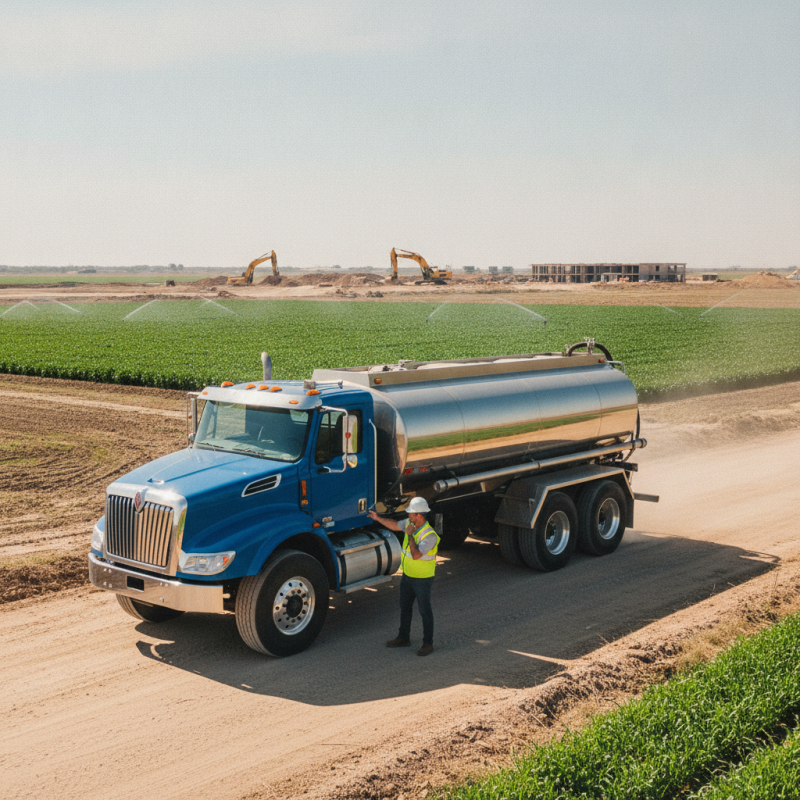
Water tanker trucks are essential in various industries. They provide a reliable solution for transporting large volumes of water. Construction sites often require significant water supplies for mixing concrete. Maintaining optimal moisture levels is crucial to ensure structural integrity.
Agriculture also benefits greatly from water tanker trucks. Farmers use them for irrigation, especially in arid regions. Efficient water delivery can improve crop yields and conserve resources. However, some areas still face challenges in managing water distribution effectively. Communication with local water authorities is vital to prevent shortages.
In emergency situations, water tanker trucks play a critical role. They can supply clean water during natural disasters or infrastructure failures. Yet, logistical issues may arise, such as road access challenges. Ensuring quick response times can save lives. Overall, while water tanker trucks offer many advantages, understanding specific industry needs remains important.
Key Features to Consider When Choosing a Water Tanker Truck
Selecting a water tanker truck involves key considerations that can impact your business operations significantly. First, assess the tank capacity. Different industries have varying water demand. A larger tank can reduce the frequency of refills but might increase fuel consumption. Conversely, a smaller tank may require more trips, affecting productivity. Understanding your needs is critical.
Next, focus on material quality. Tanks made of durable materials ensure safety and longevity. Look for corrosion-resistant options. This is particularly important for transporting potable water. The construction quality of the truck is equally significant. A robust chassis can lead to less downtime due to repairs.
Another essential feature is the pumping system. Efficient pumps can save time during operations. Consider the pump's flow rate and pressure. These factors will influence how quickly you can fill or empty the tank. Maintenance accessibility is also vital. Trucks that allow easy access to components can reduce service times. Regular upkeep is necessary for optimal performance, and this aspect shouldn’t be overlooked.
Cost-Effectiveness of Water Tanker Trucks for Business Operations
Investing in a water tanker truck can significantly enhance cost-effectiveness for many businesses. According to a report by the International Water Association, utilizing a water tanker allows companies to reduce overall operational costs by up to 30%. This reduction largely stems from lower transportation expenses. When compared to traditional water delivery methods, a water tanker can transport large volumes, cutting down the frequency of deliveries.
The versatility of water tanker trucks also adds to their cost benefits. They can serve multiple sectors, including Agriculture, Construction, and Municipal Services. It's estimated that businesses that adopt these trucks can decrease idle times by 40%. This efficiency does not come without challenges, though. Maintenance and operational training for staff are critical factors that need consideration. Neglecting these areas can lead to increased operational costs.
Another key aspect is water management. Efficient water usage can lead to significant savings. A study by the Water Research Foundation highlighted that businesses adopting water recycling techniques improve their water usage efficiency by over 25%. However, achieving optimal efficiency requires ongoing training and sometimes costly upgrades. Investing in a water tanker truck presents both opportunities and potential pitfalls, necessitating careful planning.
Comparative Analysis: Water Tanker Trucks vs. Other Water Transport Methods
When evaluating water transportation methods, water tanker trucks provide unique benefits. They offer flexibility that stationary systems lack. With the ability to transport water to various locations, businesses can meet specific demands effectively. These trucks can navigate through urban areas where larger containers cannot reach. This capability enhances responsiveness to client needs.
In contrast, pipelines and fixed reservoirs often require significant investment and long-term commitment. If a business’s needs change, adapting these systems can be costly and complex. Water tanker trucks present a more manageable option for short-term projects. They provide immediate access without the lengthy setup time of permanent installations.
However, tanker trucks do come with challenges. They may require trained personnel for operation and maintenance. Additionally, the capacity of each truck limits the volume transported at once. For larger projects, multiple trips could be necessary, impacting efficiency. Balancing these factors is crucial for companies considering water transportation options.
Maintenance and Longevity of Water Tanker Trucks in Business Use
Water tanker trucks are essential for various industries. They provide reliable water supply for construction sites, agriculture, and emergency services. However, maintaining these vehicles is critical for their longevity.
Regular maintenance is often overlooked. Neglecting routine checks can lead to costly repairs. Fluid levels, tire conditions, and mechanical components should be inspected often. Even minor issues can escalate quickly. Operators should invest time in training. Understanding the truck's mechanics ensures better upkeep. Hiring knowledgeable staff is worthwhile in the long run.
Using high-quality parts enhances performance. However, maintenance costs can sometimes be higher than expected. Operators must balance quality and budget. Developing a consistent maintenance schedule can help avoid breakdowns. Over time, a well-maintained water tanker truck can significantly reduce operational costs. Regular servicing leads to fewer disruptions and more reliability in service delivery.