How to Choose the Best Electric Resistance Heating Pipe?
Choosing the right Electric Resistance Heating Pipe is crucial for efficient heating solutions. This decision impacts energy use and comfort levels in homes and businesses. Electric resistance heating systems convert electrical energy into heat efficiently. A well-chosen heating pipe can lower energy costs significantly.
Understanding the specifics of Electric Resistance Heating Pipes is essential. Not all pipes are built the same. Factors such as material, length, and wattage influence performance directly. Users often underestimate how these variables affect efficiency. A savvy choice entails assessing heat distribution and installation aspects. Sometimes, decisions are made without full information, leading to inadequate heating and wasted energy.
When selecting the best Electric Resistance Heating Pipe, careful consideration can prevent costly mistakes. Researching reliable brands can guide you to better options. Consultation with experts often reveals insights into performance versus cost. It’s a common oversight to focus primarily on price. However, investing in quality can yield savings in the long run.
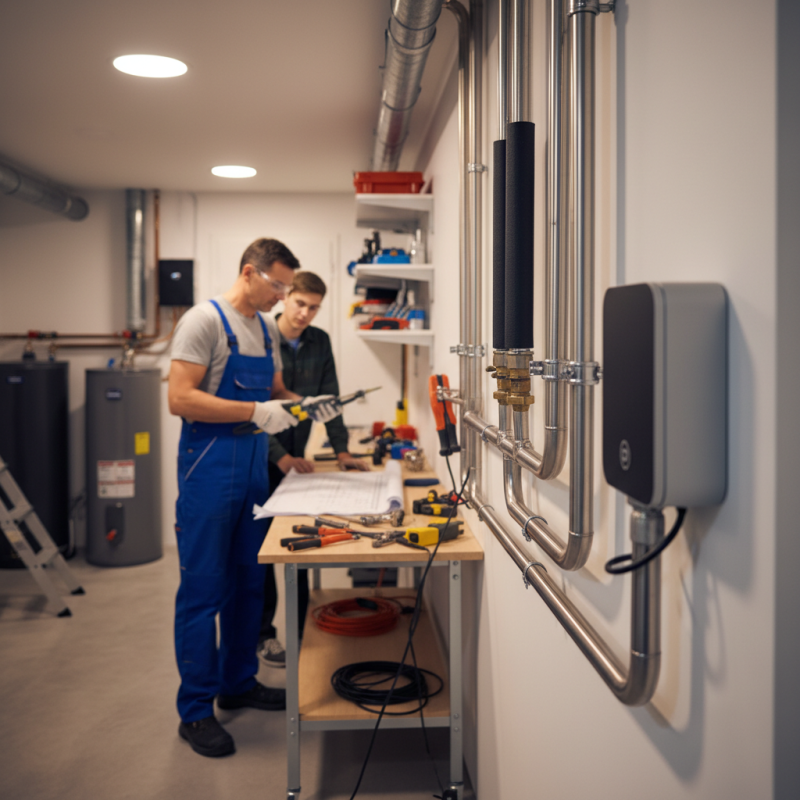
Understanding Electric Resistance Heating Pipes
Electric resistance heating pipes play a significant role in various applications, including residential heating and industrial processes. These systems use electric currents to generate heat, making them efficient and reliable. According to a report by the U.S. Department of Energy, electric resistance heating offers an efficiency rate of up to 99%. This high efficiency is vital for energy-conscious consumers and industries.
One important consideration is pipe material. Common materials include copper and stainless steel, each with its benefits. Copper has excellent thermal conductivity but can be more expensive. Stainless steel, while not as conductive, offers durability and corrosion resistance. A poorly chosen material can lead to inefficiencies. In fact, a study from the International Energy Agency found that incorrect material selection could decrease heating efficiency by as much as 30%.
Another factor is the heating element's design. It influences how heat distributes through the pipe. An evenly distributed heat profile optimizes performance and comfort, especially in large spaces. However, many systems display uneven heating, prompting concerns about comfort and energy loss. Maintaining these systems is essential; regular assessments can help identify issues early, ensuring long-term reliability.
Key Factors to Consider in Selection
When selecting an electric resistance heating pipe, several key factors should be considered. The most critical aspect is the material used in the heating element. Common materials like copper, aluminum, and stainless steel all have distinct thermal conductivity properties. For example, copper offers high conductivity and efficiency, while stainless steel is more resistant to corrosion but may not transfer heat as effectively.
Another essential factor is the pipe's insulation. Proper insulation can enhance energy efficiency significantly, affecting long-term operational costs. Data from the U.S. Department of Energy indicates that well-insulated pipes can improve energy efficiency by up to 30%. Selecting the right level of insulation could prevent heat loss, ensuring optimal performance.
The length and diameter of the pipe also play a vital role. Larger diameters may increase heat distribution but can lead to higher energy consumption. Balancing size with energy efficiency is key. A study by the American Society of Heating, Refrigerating and Air-Conditioning Engineers suggests that a proper sizing method can lead to a more reliable heating system. Taking the time to reflect on these factors will aid in making informed decisions.
Assessing the Heating Capacity and Efficiency
When selecting an electric resistance heating pipe, assessing heating capacity and efficiency is crucial. Typically, heating capacity is measured in watts. A common measurement for electric heaters is 100 watts per square meter. For example, a 1,500-watt heater can effectively warm a room of about 15 square meters under ideal conditions. This means that understanding your space is essential for selecting the right capacity.
Efficiency is another critical factor. According to recent industry reports, electric resistance heaters operate at nearly 100% efficiency. However, this figure can be misleading. The actual efficiency can drop significantly based on installation and insulation quality. Poor insulation can lead to substantial heat loss. Thus, it's vital to consider thermal resistance in walls and ceilings to enhance overall system efficiency.
Additionally, the type of thermostat used can affect energy consumption. Smart thermostats can help optimize heating schedules, preventing wasted energy. They can reduce costs by up to 20%, according to energy efficiency studies. However, be cautious of the initial investment versus long-term savings. Balancing upfront costs with potential savings requires careful reflection on your specific heating needs.
How to Choose the Best Electric Resistance Heating Pipe? - Assessing the Heating Capacity and Efficiency
| Model | Heating Capacity (kW) | Efficiency (%) | Material | Price ($) |
| HEP-1500 | 1.5 | 95 | Stainless Steel | 150 |
| HEP-3000 | 3.0 | 90 | Aluminum | 250 |
| HEP-4500 | 4.5 | 92 | Copper | 400 |
| HEP-6000 | 6.0 | 88 | Iron | 500 |
| HEP-8000 | 8.0 | 85 | Titanium | 700 |
Material Options for Electric Resistance Heating Pipes
When selecting material options for electric resistance heating pipes, several factors play a crucial role. Copper is among the most efficient conductors of electricity and heat. It offers excellent thermal conductivity. However, it may not be the most durable choice under high temperature conditions. Galvanized steel, on the other hand, is known for its strength and corrosion resistance. It can withstand harsh environments but may lack some of the thermal efficiency of copper.
Aluminum presents another viable option. It is lightweight and resistant to corrosion. Its thermal conductivity is commendable, but it is not as robust as steel or copper. Moreover, the cost of the material can vary greatly. Budget constraints should be weighed against performance needs. You might find that cheaper options do not always meet efficiency standards, leading to higher energy costs over time.
Finally, consider the specific application of the heating pipe. For industrial settings, a more durable material may be required. However, for residential use, cost-effective solutions could suffice. Always reflect on the long-term implications of your material choice. Balancing immediate needs with future performance might prove challenging.
Installation and Maintenance Guidelines
When installing electric resistance heating pipes, careful attention to detail is crucial. First, ensure the heating pipe layout matches your space requirements. The distance between pipes should be consistent for even heating. If gaps occur, cold spots may arise, affecting efficiency. Additionally, proper insulation around the pipes is essential. Insulation minimizes heat loss, ultimately saving energy costs.
Regular maintenance is vital for the longevity of your heating system. Inspect pipes for wear and tear. Look for signs of corrosion or leaks. These issues can escalate quickly, leading to increased energy consumption and costly repairs. Cleaning the heating system regularly can prevent dust accumulation. Dust buildup can diminish performance.
Make it a habit to check the electrical connections. Loose connections pose a fire hazard. Regular assessments ensure safe and effective operation. While your system may function optimally now, neglect can lead to major issues. Minor maintenance today can prevent extensive repairs later. Always prioritize safety, and don’t hesitate to consult a professional if unsure.
Electric Resistance Heating Pipe Energy Efficiency Comparison