Why Choose Electric MCCB for Your Electrical Solutions?
Electric MCCB (Molded Case Circuit Breakers) are increasingly becoming the go-to solution for electrical systems. Industry reports indicate that the global MCCB market is expected to grow by 5.8% annually. This surge reflects a shift towards safer and more efficient electrical solutions. Electric MCCBs offer reliable protection against overload and short circuits, which is crucial for industrial and commercial applications.
In addition to their protective features, electric MCCBs enhance operational efficiency. They can manage higher voltage applications, keeping systems running smoothly. Leading manufacturers, like Schneider Electric and Siemens, emphasize the importance of integrating advanced technology in their MCCB solutions. This integration improves both performance and sustainability. However, challenges remain, such as the need for regular maintenance and the potential for wear over time.
When considering electric MCCBs, it is essential to reflect on the specific needs of your installation. Not all systems are alike, and one size does not fit all. Selecting the right MCCB involves a careful assessment of capacity, compatibility, and reliability. Ultimately, investing in electric MCCBs can lead to long-term savings and enhanced safety in electrical operations.
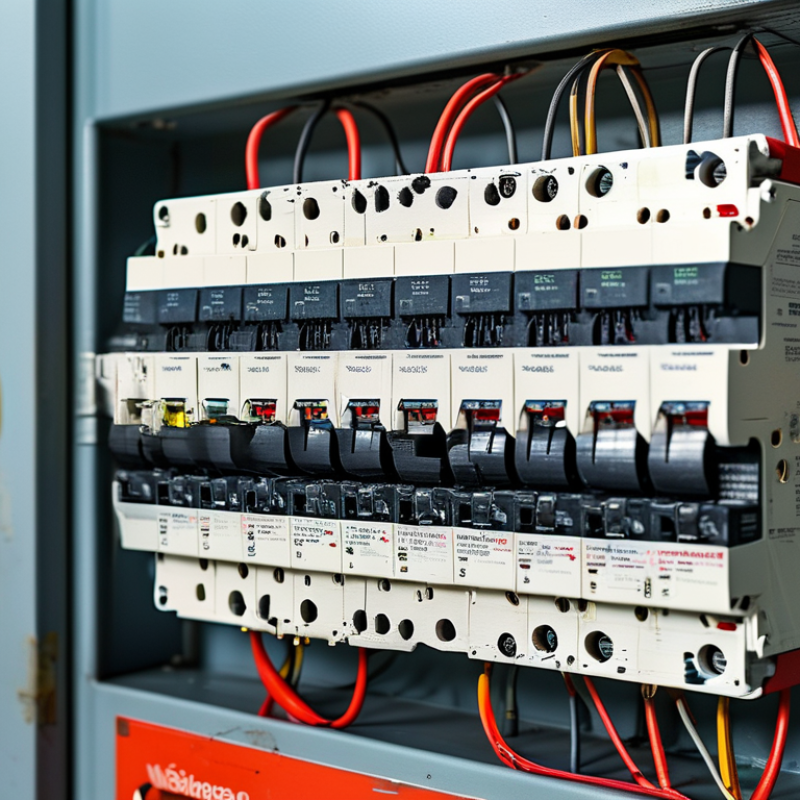
Advantages of Electric MCCB in Modern Electrical Systems
Electric Molded Case Circuit Breakers (MCCBs) are redefining safety and efficiency in electrical systems. One of the key advantages is their adaptability. They can handle a wide range of current levels, making them versatile for various applications. This adaptability is crucial for modern buildings with diverse electrical needs. Additionally, MCCBs often include advanced protection features. These allow for precise fault detection, reducing the risk of damage.
Another significant benefit is the compact design. Unlike traditional circuit breakers, MCCBs save space. This makes them suitable for tight installations, ensuring seamless integration into any system. Maintenance is straightforward, too. Regular checks and straightforward repairs enhance reliability. However, familiarity with installation guidelines is essential. Inadequate training can lead to mistakes.
Cost-effectiveness should also be considered. While the initial investment may be higher, long-term savings in maintenance and energy efficiency can offset the cost. Users must weigh these factors. It's sometimes easy to overlook the full benefits of MCCBs. Understanding their features helps in making informed decisions that ensure safety and performance.
Advantages of Electric MCCB in Modern Electrical Systems
Key Features of Electric MCCB for Enhanced Safety
The use of Electric Molded Case Circuit Breakers (MCCBs) is becoming increasingly vital in modern electrical solutions. One of the key features of Electric MCCBs is their ability to enhance safety. They provide protection against overloads and short circuits. A report from the International Electrotechnical Commission indicates that electrical failures account for about 40% of industrial accidents. Implementing MCCBs can significantly reduce these risks.
MCCBs come equipped with advanced protection features such as adjustable trip settings. This allows users to tailor the protection to their specific needs. According to the National Fire Protection Association, electrical faults cause an estimated 47,000 structure fires annually. Utilizing MCCBs can mitigate these risks significantly.
Tips: Regularly check the trip settings and conduct routine maintenance on your MCCBs. This not only enhances safety but also improves overall system reliability. Over time, circuit breakers may experience wear and tear. Such deterioration can lead to potential hazards if not addressed timely. Reliability is crucial in preventing electrical failures.
Comparing Electric MCCB with Traditional Circuit Breakers
Electric Molded Case Circuit Breakers (MCCBs) stand out as a modern solution for electrical systems. When comparing them to traditional circuit breakers, several key differences emerge. Traditional breakers often use thermal-magnetic technology, which can be slow to react during faults. In contrast, MCCBs offer adjustable trip settings and faster response times, enhancing system protection.
MCCBs provide better accuracy in tripping, which prevents damage to sensitive equipment. This is particularly useful in facilities with high-tech machinery. The ability to customize settings makes MCCBs adaptable to diverse applications. On the other hand, traditional circuit breakers may require manual intervention in certain situations. This limitation can lead to delayed responses during critical failures.
While MCCBs are undeniably effective, they can be more complex to install. Some users may find the adjustment process challenging. Regular maintenance is also essential to ensure optimal performance. Over time, the benefits of using MCCBs, like improved safety and reliability, often outweigh these concerns. Evaluating your specific electrical needs will help determine the best choice for your facility.
Applications of Electric MCCB in Various Industries
Electric MCCBs (Molded Case Circuit Breakers) play a crucial role across various industries. In manufacturing, they protect machinery from overloads and short circuits. Their reliability ensures minimal downtime and maintenance. These breakers are often integrated into assembly lines to prevent disruptions.
In the construction sector, Electric MCCBs provide safety for electrical systems. They manage large electrical loads with ease. This is vital when handling power tools or heavy machinery. Proper installation is essential; otherwise, the safety features may not function as intended. The potential for human error exists, which can lead to serious safety concerns.
Moreover, the commercial sector benefits from their use in data centers. Electric MCCBs safeguard sensitive equipment from electrical faults. They also assist in managing power distribution effectively. Having a well-designed setup can enhance operational efficiency. However, it requires regular testing to ensure optimal performance. Overlooking this can result in unforeseen problems down the line.
Maintenance and Performance of Electric MCCB Systems
The maintenance and performance of electric MCCB systems are vital for ensuring optimal electrical operations. Properly maintained MCCBs can improve the reliability of electrical systems. According to a report by the Electric Power Research Institute, regular maintenance can enhance the equipment lifespan by up to 30%. System failures often stem from inadequate upkeep. Periodic inspections and timely replacements of components are essential.
Tips: Regularly check the settings and operation of your MCCB. Ensure the device is free from dust and corrosion. Scheduled maintenance can prevent unplanned downtimes.
Another important aspect is performance monitoring. Utilizing advanced analytics can identify potential issues before they escalate. The IEEE states that predictive maintenance reduces failures by 20%. Capturing data on electrical load and trip settings aids in assessing system health and determining operational efficiency.
Tips: Implement a monitoring system to track performance metrics. Analyze data trends regularly. Identify patterns that may indicate wear or inefficiencies.
Why Choose Electric MCCB for Your Electrical Solutions? - Maintenance and Performance of Electric MCCB Systems
| Dimension | Specification | Performance Metric | Maintenance Frequency |
| Current Rating (A) | 100, 250, 400, 630 | Short Circuit Protection | Annually |
| Voltage Rating (V) | 230/400, 400/690 | Overload Protection | Semi-Annually |
| Breaking Capacity (kA) | 10, 25, 50 | Thermal Efficiency | Quarterly |
| IP Rating | IP30, IP55 | Performance in Dusty Environments | Monthly |
| Temperature Rise (°C) | ≤ 40 | Heat Dissipation | As Required |