How to Choose the Right Injection Machine Robot for Your Needs?
Choosing the right Injection Machine Robot can be a complex task. Many factors come into play when making this decision. Industry expert Dr. Emily Carter once said, “Selecting the right robot is crucial for maximizing efficiency and reducing costs.” Her words highlight the importance of careful consideration.
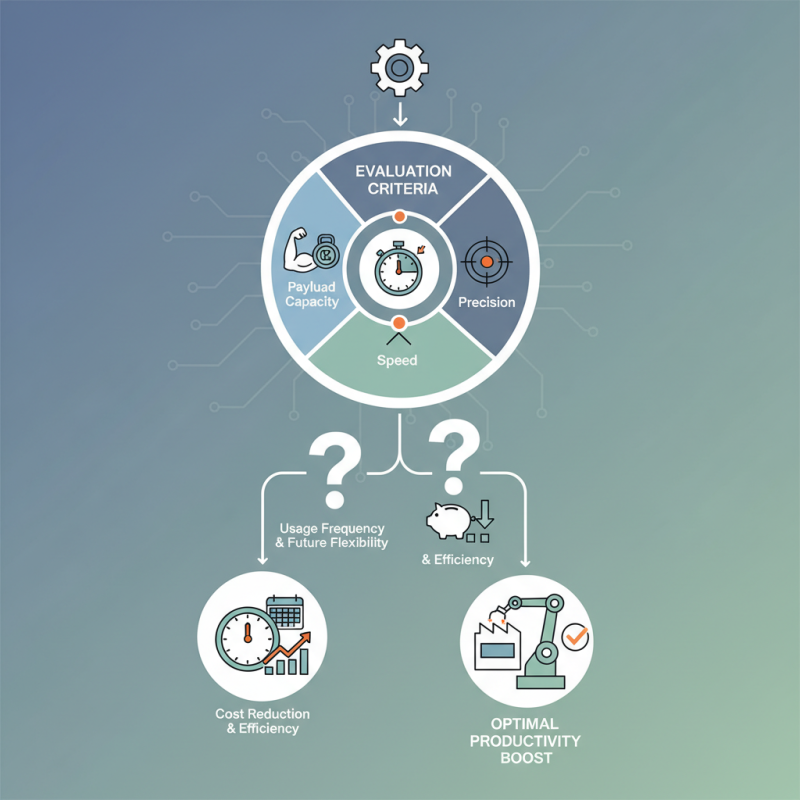
An Injection Machine Robot must fit seamlessly into your production line. You need to evaluate specifications like payload capacity, speed, and precision. The wrong choice can lead to downtime and increased expenses. Many manufacturers overlook these details, leading to costly errors.
It's essential to ask tough questions. How often will the robot be used? Is it flexible for future changes? Reflecting on these points can help clarify your needs. Remember, a well-chosen Injection Machine Robot can boost your productivity significantly. Missteps in this area can hold back your operation.
Understanding the Basics of Injection Machine Robots
Injection machine robots are vital in modern manufacturing. These robots automate processes, enhancing precision and efficiency. They perform tasks like loading, unloading, and packaging. Reports indicate that over 75% of manufacturers now use automation to increase productivity.
Understanding the basic types of injection machine robots is crucial. There are Cartesian robots, SCARA robots, and articulating robots. Each type has unique benefits. For example, Cartesian robots excel in linear motion, making them ideal for straightforward tasks. However, they may lack flexibility. In contrast, articulating robots offer a wide range of motion but can be more complex to program.
Many companies overlook the importance of load capacity and speed when selecting a robot. According to industry data, a mismatch can lead to production delays and increased costs. Moreover, choosing the right control system is essential. A poorly integrated system can result in inefficiencies. Consider compatibility with existing equipment for better results.
Injection Machine Robots Performance Comparison
Identifying Your Specific Application Requirements
When selecting the right injection machine robot, it’s crucial to identify your specific application requirements. Consider the size of your products. This affects the robot’s reach and payload capacity. Do you need high precision or speed? Different applications demand different specifications.
Think about the materials you will work with. Some robots excel with certain plastics, while others may struggle. Assessing your production volume is also essential. A high-volume operation may require a faster cycle time. Additionally, contemplate the automation level. Will the robot need to integrate with existing machinery?
Evaluate the environments where these machines will operate. Harsh conditions may necessitate more durable designs. Reflect on your budget too. Sometimes, the cheapest option isn’t the best investment. Robotics is complex, and the right choice can impact productivity significantly. Balancing these factors requires careful thought and perhaps some trial and error. Each project is unique, and your needs may not be easily defined. Reassessing as you learn is part of the journey.
Key Features to Consider in Injection Machine Robots
Selecting the right injection machine robot involves several critical features. First, consider payload capacity. Your products vary in weight. The robot must handle these weights efficiently. Look for specifications that match your heaviest items. Flexibility is also vital. Robots that adapt to different molds can save time and money.
Next, think about speed. How quickly can the robot complete its tasks? Faster robots can increase production rates. Yet, they may not always be the best fit. Balancing speed with precision is essential. A rapid movement could lead to errors, impacting quality.
Finally, assess the robot's ease of integration. A seamless fit into your current system is necessary. Complicated setups can lead to downtime and frustration. Choose models that offer user-friendly interfaces. Training is another factor. Will your team find it easy to operate? If not, that could slow things down. Always weigh these elements carefully to make a more informed decision.
Evaluating Cost and Budget Constraints
When evaluating the cost and budget constraints for injection machine robots, businesses need to consider various factors. On average, industrial robots can range from $25,000 to $400,000. The initial cost is just one aspect. Ongoing maintenance and operational expenses can add up significantly over time. Industry studies indicate that maintenance costs can account for up to 20% of the total cost of ownership.
It's crucial to conduct a cost-benefit analysis. For example, a robot that saves 20% on labor costs might pay for itself within three years. However, if the robot requires frequent repairs, those savings could vanish quickly. Furthermore, consider the return on investment (ROI). A report by the International Federation of Robotics highlights that automation typically leads to a 43% increase in productivity, but this varies by application.
Budget decisions should also factor in the scalability of the technology. Investing in a more expensive robot may seem daunting. Yet, cheaper options might lack features necessary for future upgrades. Therefore, carefully assessing the total cost, including potential future needs, is vital. It may also be wise to revisit these choices after initial implementation, as market needs can shift rapidly. Make informed improvements as you go.
How to Choose the Right Injection Machine Robot for Your Needs? - Evaluating Cost and Budget Constraints
| Feature | Budget Range ($) | Performance Rating (1-10) | Recommended Usage |
| High Speed | 10,000 - 20,000 | 9 | High-volume production |
| Standard | 5,000 - 15,000 | 7 | Medium volume production |
| High Precision | 15,000 - 30,000 | 8 | Complex small parts |
| Multi-Axis | 20,000 - 50,000 | 10 | Versatile applications |
| Basic Model | 2,000 - 5,000 | 6 | Small scale operations |
Assessing Manufacturer Support and After-Sales Service
When choosing an injection machine robot, assessing manufacturer support is crucial. A responsive support team can make all the difference. Look for manufacturers that offer 24/7 customer service. Quick responses to inquiries can prevent costly downtime. Consider how they handle service requests. Is the response time reasonable? Are technicians knowledgeable? These factors matter.
After-sales service is equally important. You want a commitment to maintenance and parts supply. Some companies might promise quick deliveries but fall short. Pay attention to warranties and service contracts. A good warranty reflects how much confidence a manufacturer has in their product. Ask for case studies or references. Real feedback from other users gives insight into the reliability of the support.
Yet, don’t overlook the possibility of problems. No system is perfect. You may encounter unanticipated issues down the line. Understanding the limitations of support systems can prepare you. Prepare for learning curves and potential delays. A deeper understanding enhances your long-term success with the machine. This is essential for optimizing productivity in your operations.