How to Choose the Right Packing Machine for Your Business?
Choosing the right Packing machine is crucial for any business involved in packaging. According to industry expert Maria Johnson, “Selecting a packing machine can make or break your production efficiency.” Her insight highlights the importance of understanding your specific needs before making a decision.
When considering a packing machine, it’s vital to evaluate your product types, volumes, and packaging requirements. A machine that works for one business might not fit another’s needs. For instance, companies dealing with fragile items require machines that offer gentle handling. The right packing machine enhances productivity while minimizing waste.
However, it's easy to overlook the long-term costs associated with different machines. Maintenance, operational efficiency, and energy consumption are factors to consider. Sometimes, a cheaper machine might lead to higher expenses down the line. A careful assessment helps in selecting a machine that balances cost and reliability, ensuring your packaging process supports your business growth.
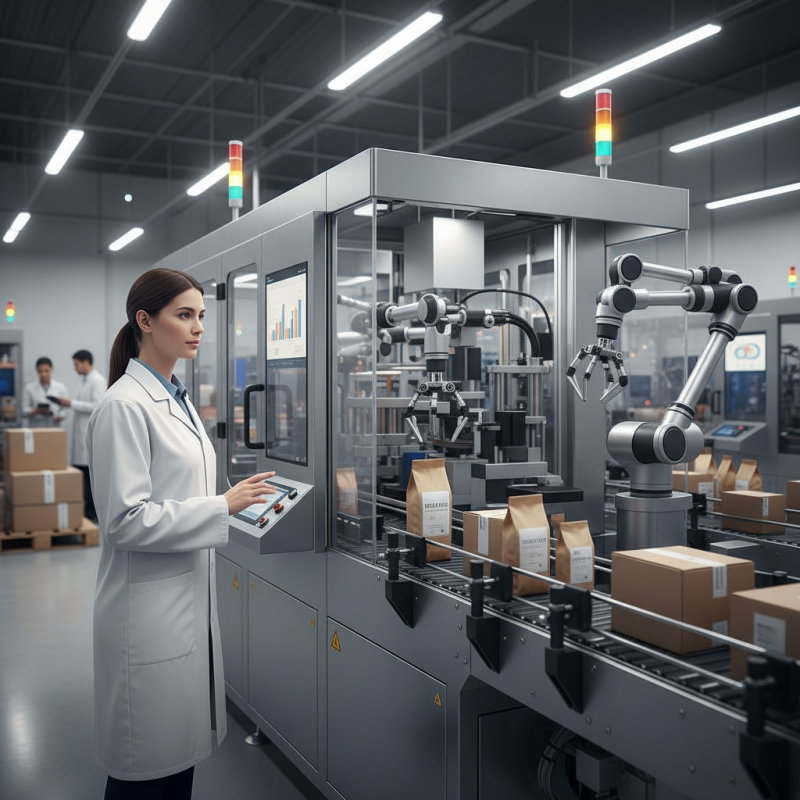
Understanding Your Business Needs and Product Requirements
Choosing the right packing machine starts with understanding your business needs. Different products require unique specifications. Consider the size, shape, and weight of your items. A machine must handle these aspects efficiently.
Tips: Evaluate your product's packaging requirements. Do your items need additional protection? A robust machine may be necessary for fragile products.
Explore your production volume. A high output demand might need a faster machine. However, speed shouldn't compromise the quality of packaging. A balance is crucial.
Tips: Test various machines with your products. This trial can reveal unforeseen issues. Small adjustments could improve the final output. Monitor how well each machine performs over time. Reliability is essential for maintaining efficiency.
Types of Packing Machines and Their Applications
When selecting a packing machine, understanding the different types available is crucial. Vertical form-fill-seal machines are common in the food industry. They efficiently package snacks, grains, and liquids. These machines streamline the process, ensuring products remain fresh. Adjusting settings for different pouch sizes might require technical know-how.
Horizontal flow wrappers, on the other hand, cater to delicate products like chocolates and biscuits. They use a film to encase items securely, preserving appearance and integrity. This type of packing machine can lead to a smoother workflow. However, operators must monitor frequently for malfunctions due to the delicate nature of the items.
Shrink wrap machines offer versatility for various items. They use heat to create a tight seal around products, ideal for bulk packaging. This method is prevalent in e-commerce. Yet, user error during setup can lead to wastage or inadequate sealing. Evaluate your production volume before investing. Each option has specific pros and cons, so consider your needs thoroughly.
Evaluating Key Features and Specifications in Packing Machines
When selecting a packing machine, specific features and specifications are vital. Consider the types of products you package. Are they liquids, solids, or powders? Each type requires a different approach. A machine designed for liquids must handle viscosity. Solid products may need a different sealing mechanism. It’s crucial to match the machine specifications with your product's characteristics.
Speed and efficiency also matter. Production timelines can fluctuate based on demand. A machine with adjustable speeds provides flexibility. However, too much speed can lead to errors. These mistakes may affect product integrity. Operators should be trained to monitor performance closely. Regular maintenance checks can prevent mechanical failures, ensuring reliability.
Another aspect to review is the machine’s adaptability. The industry evolves, and your business may face new challenges. Machines that can easily adapt to different packaging sizes and materials are more valuable. However, these versatile machines might have a steeper learning curve. This can lead to initial inefficiencies in operations. Investing in training is essential to maximize their potential. Consider these elements carefully to enhance your packing process.
Considering Budget and Cost-effectiveness for Your Packing Solution
Selecting the right packing machine is vital for a business’s efficiency. When focusing on budget and cost-effectiveness, it is essential to analyze total costs. According to industry reports, nearly 30% of operational costs stem from packaging. This makes choosing the right machine even more critical.
Understand the upfront costs and the long-term savings. Investing in a machine with high efficiency can lower labor costs. Data indicates that advanced packing machines can reduce packing time by up to 40%. This translates into a significant reduction in labor expenses over the months.
However, not every machine will fit every business model. Sometimes, businesses opt for machines that exceed their needs. This can lead to wasted resources. Evaluating your actual packing volume and required speed can protect your budget. Additionally, consider maintenance costs. Machines require upkeep, and underestimating this can strain finances. Balancing initial costs with ongoing expenses ensures a thoughtful investment choice.
How to Choose the Right Packing Machine for Your Business? - Considering Budget and Cost-effectiveness for Your Packing Solution
| Machine Type | Initial Cost ($) | Operating Cost ($/month) | Maintenance Cost ($/year) | Speed (units/hour) | Suitable for Products |
| Vertical Form Fill Seal | 5000 | 150 | 200 | 30 | Powders, Granules |
| Horizontal Flow Wrapper | 8000 | 200 | 250 | 50 | Snacks, Bakery Items |
| Automatic Carton Sealer | 12000 | 300 | 400 | 60 | Bottles, Cans |
| Labeling Machine | 3000 | 100 | 150 | 70 | Bottles, Boxes |
| Pallet Wrapper | 7000 | 180 | 300 | 40 | Palletized Products |
Assessing Supplier Reputation and After-Sales Support Options
When choosing a packing machine, supplier reputation is crucial. A reliable supplier has a solid track record in the industry. According to a recent market analysis, 65% of businesses reported issues when purchasing from unknown suppliers. These challenges often stem from inadequate support and subpar machine quality. It's essential to evaluate a supplier's history and customer reviews.
After-sales support is another vital factor. The right support can significantly affect your operations. Data shows that 70% of packing machine downtime is related to service issues. Companies that offer robust training and quick response times usually provide a better experience. Look for suppliers who have strong service networks. Also, consider their warranty policies. A thorough review of these aspects will prepare you for potential challenges.
It's important to reflect on the risks involved in choosing the wrong partner. Trusting an unproven supplier may lead to costly mistakes. Gathering insights from industry reports enhances your decision-making process. Ultimately, your choice should prioritize not just the machine's features but also the quality of support you receive afterwards.