Why Choose Self Tapping Screws for Your Next Project?
When considering materials for construction projects, Self Tapping Screws stand out for their unique advantages. These screws eliminate the need for pre-drilling, saving time and effort in assembly. Their ability to create their own threads in a variety of materials makes them reliable for both professionals and DIY enthusiasts.
Choosing Self Tapping Screws can enhance the efficiency of your project. They work well with wood, metal, and plastic. This versatility allows them to be integrated into various applications, from furniture assembly to automotive repairs. Many builders appreciate how quickly they can secure components without complicated techniques.
However, some may overlook the importance of selecting the right type of Self Tapping Screws. Not all screws are created equal, and using the wrong one can lead to compromised integrity. Understanding the specific requirements of your project is crucial. While Self Tapping Screws offer convenience, clarity is essential to ensure successful results in your next endeavor.
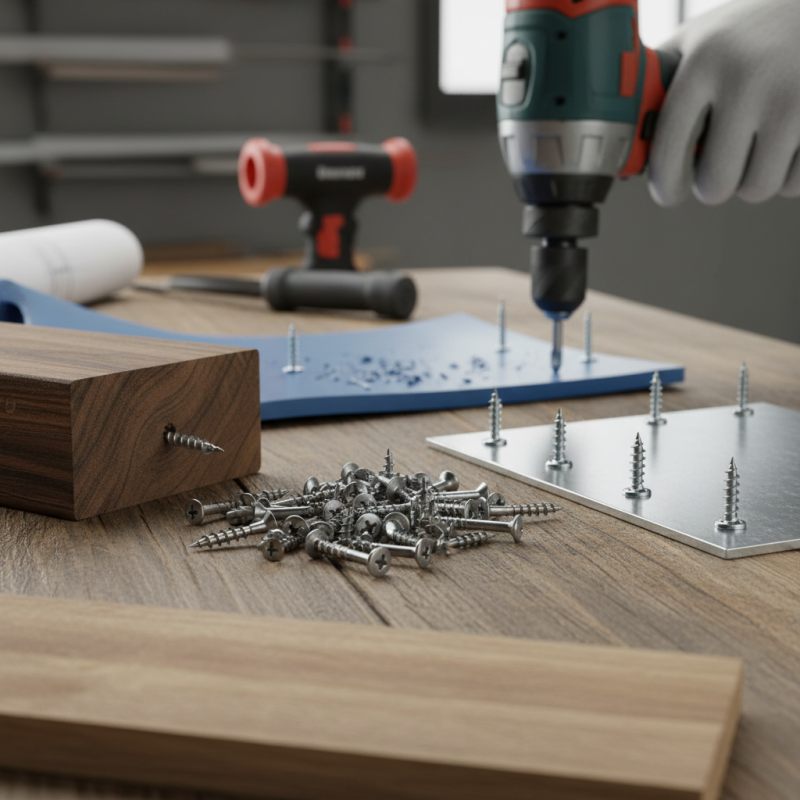
Advantages of Self Tapping Screws in Various Applications
Self-tapping screws offer unique advantages in numerous applications. They create their own threading as they drill into materials. This feature means less time is spent on pre-drilling holes. Many professionals appreciate this efficiency. It significantly reduces installation time, which is crucial on tight schedules.
Additionally, these screws are versatile. They work well with various materials like wood, metal, and plastic. This adaptability makes them a go-to choice for many projects. Their design allows for secure fastening, which is vital in construction and maintenance tasks. However, improper use can lead to stripped heads or damaged materials. It's essential to select the right screw size and type for the job at hand.
Beyond efficiency, self-tapping screws enhance structural integrity. A well-installed screw can withstand considerable stress over time. Yet, relying solely on them without proper evaluation could lead to issues. Understanding the material properties is critical. Sometimes, traditional screws may serve better in certain situations. This choice requires thoughtful consideration and experience in the field.
Why Choose Self Tapping Screws for Your Next Project? - Advantages of Self Tapping Screws in Various Applications
| Application | Advantages | Typical Material | Drive Type |
| Woodworking | Eliminates pre-drilling, fastening speed | Softwood, Hardwood | Philips, Torx |
| Metal Fabrication | Strong hold, reduces assembly time | Aluminum, Steel | Hex, Slotted |
| Plastic Assemblies | Secure fastening without cracking | PVC, Polycarbonate | Phillips, PZD |
| Construction | Weather resistance, high load capacity | Siding, Roofing Materials | Torx, Square Drive |
Comparison of Self Tapping Screws and Traditional Fasteners
Self-tapping screws offer a distinct advantage over traditional fasteners. They create their own hole as they are driven into the material, eliminating the need for pre-drilling. This significantly speeds up assembly time. In projects where time is of the essence, self-tapping screws can be a game-changer. They work exceptionally well in materials like metal, wood, and plastic.
However, certain challenges may arise. Not all self-tapping screws work well in every type of material. Their efficiency largely depends on the thickness and density of the material. For instance, harder metals may require special screws designed for that purpose. Always assess your material before choosing your fasteners.
Tips: When using self-tapping screws, make sure to use the correct drill bit size. A bit that is too large or too small can compromise the screw's hold. Another tip is to avoid overtightening. This can strip the hole and weaken the joint. Finally, consider the screw length based on your project’s needs. Too short screws won't hold securely, while too long can cause damage. Being mindful of these details can enhance your project’s outcome significantly.
Choosing the Right Type of Self Tapping Screw for Your Project
When it comes to choosing self-tapping screws, understanding your project's needs is crucial. Different types of self-tapping screws serve various purposes. For instance, some screws are designed for metal, while others suit wood better. Each type has specific thread patterns, which affect its holding power. It's essential to match the screw type to the material you work with.
Consider the length of the screw as well. A longer screw may provide better grip, but it can also be overkill in thin materials. Shorter screws can do the job just as effectively, often with less risk of damage. Think about the environment, too. Moisture levels can lead to corrosion, so selecting a rust-resistant option is wise for outdoor projects.
Reflecting on your choices can enhance your project's outcome. It’s easy to overlook tiny details—like screw size or material type—yet they can drastically affect your assembly's integrity. Taking time to assess these factors can save you from regrets later on. Ultimately, being well-informed leads to effective and efficient results.
Installation Tips for Using Self Tapping Screws Effectively
Self-tapping screws offer a straightforward installation method. They create their own holes in materials like metal and wood. This feature saves time and reduces the need for pre-drilling. However, achieving the best results requires careful attention. Proper alignment is essential to avoid cross-threading. Always ensure the screw is perpendicular to the surface. This simple step can prevent frustration during installation.
Using the right bit is crucial. A mismatch can lead to stripped heads, making removal difficult. Check the screw size. A bit that fits snugly will provide better torque and reduce wear. It's also important to apply constant pressure while driving the screw. This helps prevent it from bending or breaking. Be cautious with softer materials, as excessive force can cause damage.
When dealing with thicker materials, a pilot hole might still be necessary. This can improve stability and ensure a snug fit. If installing in a particularly hard surface, you may need a higher power setting. Monitor the depth to avoid going too deep, which can weaken the joint. A little practice can go a long way in mastering self-tapping screw use. Each project teaches something new. Reflection on past experiences can foster improvement.
Usage of Self Tapping Screws in Different Materials
Common Mistakes to Avoid When Using Self Tapping Screws
Using self-tapping screws can simplify many projects. However, there are common mistakes that can lead to issues. One frequent error is not drilling pilot holes. Although self-tapping screws can create their own holes, pre-drilling can reduce stress and ensure accuracy. Not using a compatible screwdriver can also lead to stripping the screws or damaging the material.
Another mistake involves choosing the incorrect screw type for the material. Using a regular self-tapping screw on metal can cause failure. Instead, opt for screws specifically designed for metal. Additionally, over-tightening screws can create cracks in materials like plastic or wood. This can weaken the structural integrity of the entire project.
Many overlook the importance of cleanliness before installation. Dust and debris in screw holes can prevent a secure fit. Ensuring surfaces are clean helps prevent issues down the road. Reflecting on these mistakes can lead to better results in your next project. Attention to detail is key when working with self-tapping screws.