Why Choose the Right Conveying Device for Your Business Needs?
Choosing the right Conveying Device is crucial for any business. According to a recent report by the Material Handling Industry of America, improper material handling equipment can lead to a 30% increase in operational costs. Selecting an appropriate conveying device can significantly optimize efficiency and reduce waste.
Expert insight adds depth to this topic. Dr. Emily Carter, a leading authority in material handling systems, states, “The right conveying device not only enhances productivity but also ensures safety in the work environment.” This emphasizes the importance of making informed decisions to avoid potential risks.
In practice, businesses often overlook specific needs, leading to costly mistakes. Some companies might use an outdated conveying device that doesn't meet current demands. Failure to adapt could hinder progress and growth. Thoughtful consideration and expert guidance can help to navigate these challenges effectively.
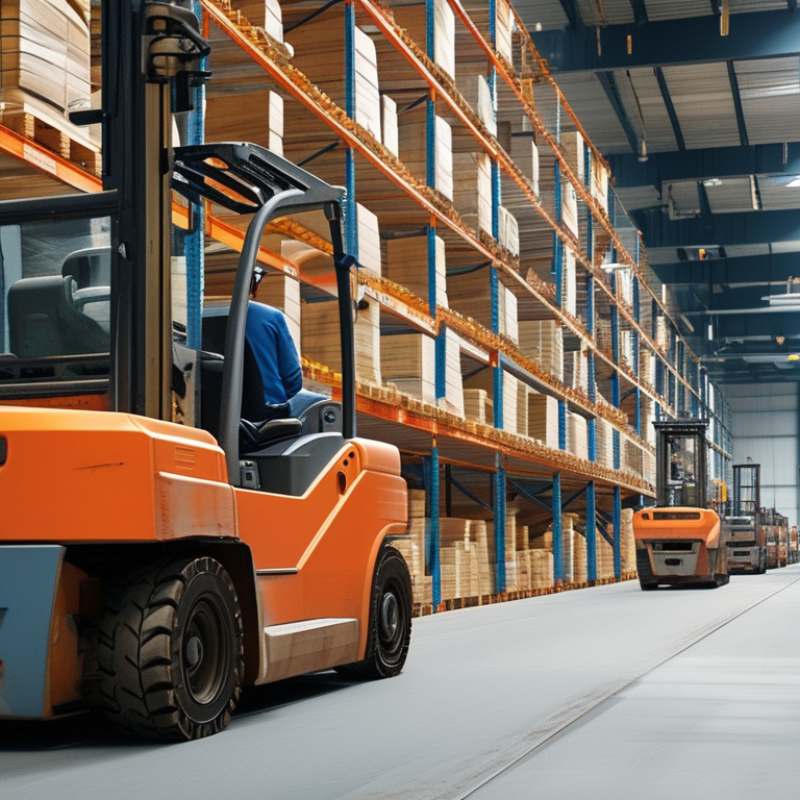
Evaluating the Impact of Conveying Devices on Operational Efficiency
Choosing the right conveying device can significantly influence your business’s operational efficiency. Conveying devices streamline processes. They reduce the time and labor needed for transportation within facilities. Yet, many businesses overlook this aspect. They often prioritize cost over efficiency. This can lead to bottlenecks and increased downtime.
A well-suited conveying system minimizes disruptions. For instance, an incorrectly sized conveyor can cause material jams. This leads to wasted time and resources. Evaluating your production flow and facility layout is crucial. Consider how materials move through your space. It may be time to rethink your existing devices.
Incorporating effective conveyors improves overall productivity. Workers can focus on their tasks, rather than moving items manually. Observe how the right device can transform workflows. Yet, many companies hesitate to invest in modern systems. It’s vital to weigh the long-term benefits against short-term costs. An informed decision can lead to lasting improvements.
Understanding Different Types of Conveying Devices and Their Applications
Choosing the right conveying device for your business requires careful consideration. Different types of conveying devices serve unique applications that can affect efficiency in material handling. For instance, belt conveyors are often used in warehouse settings. They are excellent for moving bulk items and have a capacity of up to 50 tons per hour, according to industry reports.
In contrast, screw conveyors offer a more compact option. They are ideal for transporting bulk materials at a controlled rate. Their design often allows for flexibility in the layout, which can be critical in tight spaces. Some reports indicate that screw conveyors can handle materials that other types struggle with, like slurries or powders.
However, opting for one type over another isn't without pitfalls. Conveyor failures can lead to costly downtimes. A lack of understanding about the specific needs of your business can worsen the situation. Therefore, assessing the load requirements, material type, and environment plays a crucial role. Sometimes investing in the wrong device proves to be a costly mistake.
Key Factors Influencing the Selection of Conveying Devices in Manufacturing
Choosing the right conveying device directly impacts manufacturing efficiency and cost-effectiveness. Various factors come into play, such as system compatibility, load capacity, and material handling. According to a report from the Material Handling Industry of America, optimizing conveying systems can reduce operational costs by 20% to 30%. Understanding these metrics aids in making informed decisions.
The layout of the production area is also crucial. A well-designed workflow minimizes material handling time. A poorly chosen device can create bottlenecks. The choice of conveying device should align with the specific materials being transported, as different devices accommodate various loads. For example, bulk materials may require a different approach than boxed goods.
Technical support and maintenance are often overlooked. A reliable conveying system should come with assurances for service and repair. Industry studies show that unexpected downtime can cost manufacturers up to $250,000 per hour. Therefore, investing in a system with robust support is critical. Unconventional options may seem attractive, but they could lead to unforeseen challenges in the long run.
Key Factors Influencing the Selection of Conveying Devices in Manufacturing
This chart illustrates the importance of various factors when choosing a conveying device for manufacturing needs. The data shows the percentage of businesses prioritizing each factor based on a recent survey.
Cost-Benefit Analysis of Various Conveying Systems for Business Growth
Selecting the right conveying system can significantly impact your business growth. Research shows that improper conveyor systems can lead to increased operational costs. According to a report by the Material Handling Industry, over 60% of logistics companies struggle with inefficient systems, resulting in wasted labor and resources. An effective conveying device can lower operational costs by 15-30%, offering a substantial return on investment (ROI).
Investing in the ideal system requires thorough cost-benefit analysis. For instance, a belt conveyor might initially seem more affordable. However, its maintenance costs can add up quickly. In contrast, modular conveyors provide flexibility and reduce downtime. A study found that companies using modular systems saw a 25% increase in productivity. Not all companies may need advanced features; evaluating your specific needs is key.
It’s essential to consider future scalability. Many businesses invest in systems that cannot adapt to growth. Data from the Warehousing Education and Research Council reveals that 70% of companies upgrade or change their systems within five years. This short lifespan indicates a frequent mismatch between goals and capabilities. Businesses should weigh immediate savings against long-term effectiveness. Reflecting on your current and future needs can lead to a more informed decision.
Why Choose the Right Conveying Device for Your Business Needs? - Cost-Benefit Analysis of Various Conveying Systems for Business Growth
| Conveying System | Initial Cost (USD) | Maintenance Cost (Annual, USD) | Efficiency (%) | Lifespan (Years) | Return on Investment (ROI %) |
| Belt Conveyor | $10,000 | $500 | 85 | 10 | 150% |
| Bucket Elevator | $15,000 | $700 | 90 | 12 | 130% |
| Screw Conveyor | 8,000 | $300 | 80 | 8 | 120% |
| Chain Conveyor | 12,000 | $600 | 88 | 15 | 140% |
| Pneumatic Conveyor | 20,000 | $1,200 | 78 | 10 | 110% |
Industry Trends: Innovations in Conveying Technology and Their Benefits
Innovations in conveying technology are shaping the future of many industries. Businesses are seeking efficient solutions. Automated conveyors are gaining popularity. They enhance productivity while minimizing human labor. This shift reduces costs over time, but it also raises questions about maintenance and workforce adjustment.
Smart conveyor systems are integrating with IoT technology. These systems provide real-time data tracking. Businesses can thus monitor performance and make adjustments. However, the initial investment can be daunting. Not all companies are ready to embrace this change, leading to a potential skills gap.
Flexible conveying devices are becoming essential. They adapt easily to different products and workflows. This versatility can streamline operations. Yet, businesses might struggle to find the right balance between technology and human oversight. Continuous evaluation is necessary, ensuring that innovations align with specific business needs.