Why Choose Waterjet Cutting Machinery for Your Projects?
waterjet cutting machinery stands out in various industrial sectors. This innovative technology utilizes high-pressure water jets to cut through numerous materials. Many industries appreciate the precision and versatility provided by these machines.
Choosing waterjet cutting machinery means opting for a method that minimizes waste. It is effective on materials like metal, glass, and stone. This adaptability is a major attraction for companies focused on efficiency. However, some may overlook the learning curve involved in operating such sophisticated equipment. Training is necessary to maximize its capabilities.
Additionally, the initial investment can be significant. Budget constraints could limit access for smaller operations. Yet, the long-term benefits often outweigh the upfront costs. Fewer errors and reduced material wastage lead to higher profitability. Exploring options in waterjet cutting may lead to valuable insights for future projects.
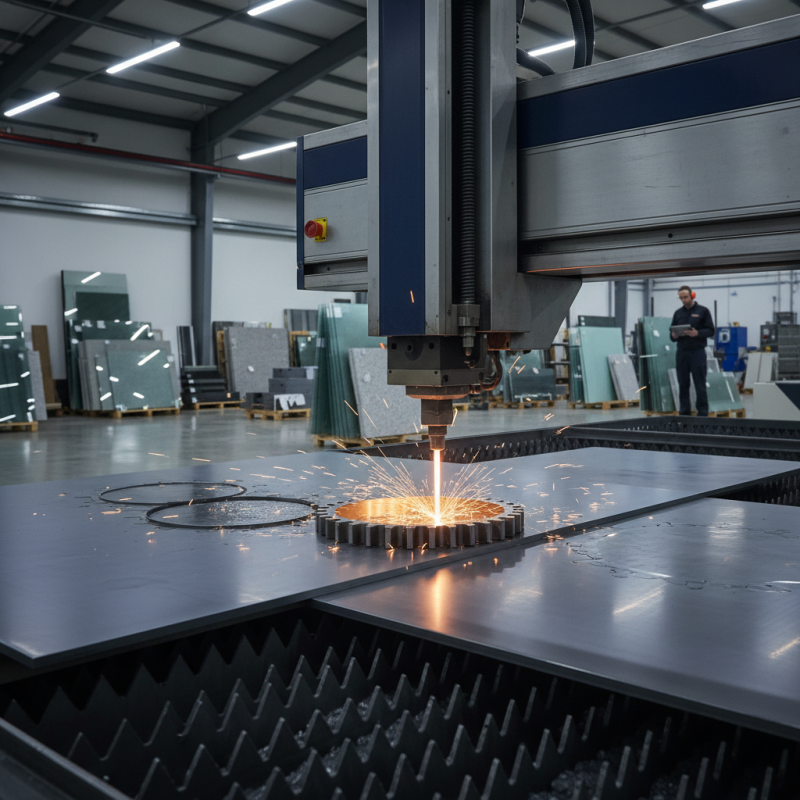
Benefits of Waterjet Cutting Technology for Industrial Applications
Waterjet cutting technology is gaining popularity for various industrial applications. This powerful method uses high-pressure water to cut materials with precision. It's effective on metals, stone, glass, and complex shapes. The technology minimizes material waste, making it eco-friendly.
Tip: Consider the material thickness. Waterjet cutting performs best with materials up to 10 inches thick.
One of the standout benefits is the heat-free cutting process. Unlike other methods, there's no thermal distortion. This is crucial for materials sensitive to high temperatures. The process maintains the integrity and strength of the material.
Tip: Regular maintenance of the equipment is essential. It ensures a longer lifespan and optimal cutting quality.
Another advantage is versatility. Waterjet cutting can handle an array of materials and thicknesses. It's suitable for industries like aerospace, automotive, and architecture. However, not all projects may need such precision. Identifying the right applications can be challenging.
Tip: Evaluate if waterjet cutting aligns with your project's budget and requirements.
Why Choose Waterjet Cutting Machinery for Your Projects? - Benefits of Waterjet Cutting Technology for Industrial Applications
| Feature | Description | Benefit |
| Precision Cutting | Waterjet cutting utilizes a high-pressure stream of water mixed with abrasive materials to achieve intricate and precise cuts. | Allows for detailed designs and reducing waste of material. |
| Material Versatility | Can cut through a wide range of materials including metals, plastics, ceramics, and glass. | Suitable for diverse industrial applications and projects. |
| No Heat Affected Zone | Waterjet cutting produces no heat, preventing thermal distortion of materials during cutting. | Maintains the integrity and properties of materials. |
| Eco-Friendly Process | Uses water and abrasives, producing minimal waste and avoiding harmful emissions. | Supports sustainable practices in manufacturing. |
| Cost Efficiency | Reduces the need for secondary machining processes and minimizes material waste. | Lowers production costs and increases profitability. |
Versatility of Waterjet Cutting in Various Materials
Waterjet cutting technology stands out for its incredible versatility. It can slice through various materials, including metals, glass, stone, and plastics. Each material presents unique challenges. However, waterjet machines adjust easily to different cutting requirements. For instance, cutting steel requires more pressure compared to softer materials like foam.
The precision attributes of waterjet cutting enable intricate designs. Complex patterns can be achieved without causing damage to the surrounding areas. This precision is valuable in applications like aerospace and automotive industries where tolerances are tight. However, the learning curve for operating these machines can be steep. Some users find it challenging to master the settings for optimal results.
Another notable strength of waterjet cutting is its eco-friendliness. It produces minimal waste and avoids harmful gases, unlike traditional cutting methods. Nonetheless, it requires proper maintenance to ensure consistent performance. Regularly checking for wear in components is crucial. Neglect can lead to unclean cuts and increased downtime. Overall, waterjet cutting is a resourceful choice for diverse projects needing precision and adaptability.
Why Choose Waterjet Cutting Machinery for Your Projects?
Waterjet cutting technology is praised for its versatility across various materials. Below is a comparison of the material compatibility and typical thickness ranges that can be effectively cut using waterjet technology. This chart illustrates the range of materials and their corresponding thickness capabilities.
Precision and Accuracy Achieved with Waterjet Machinery
Waterjet cutting machinery offers unmatched precision and accuracy for various projects. This technology uses high-pressure water mixed with abrasives to achieve clean cuts without thermal distortion. Reports indicate that waterjet cutting accuracy can reach tolerances of ±0.005 inches. This level of precision is vital for industries such as aerospace and automotive, where meticulous cuts are crucial.
Tips: Always assess the type of material being cut. Metals, glass, and composites all respond differently. Knowing this can improve your cut quality and reduce waste.
Moreover, utilizing waterjet cutting can result in less material loss compared to traditional cutting methods. Studies show that this method can reduce kerf width, leading to better yield rates. For instance, some projects have reported yield improvements of up to 20% with waterjet technology. However, the initial setup costs can be high. It’s essential to evaluate whether the long-term benefits justify the upfront investment.
Tips: Consider starting with smaller projects to gauge effectiveness. This can provide insights into the technology without overwhelming costs.
Environmental Advantages of Waterjet Cutting Compared to Other Methods
Waterjet cutting is emerging as a favored method in many industries. One major reason is its environmental advantages. Unlike traditional cutting methods that often generate harmful emissions, waterjet cutting uses high-pressure water mixed with abrasives. This process minimizes waste and reduces energy consumption, making it a cleaner alternative.
Reports indicate that waterjet cutting can generate up to 70% less waste compared to plasma cutting. The recyclable nature of the materials used further enhances its eco-friendly profile. Additionally, it avoids toxic fumes associated with laser cutting technologies. Without the need for chemical additives, waterjet cutting preserves air quality on the job site.
While the process is largely beneficial, there are areas for improvement. The initial energy consumption can be relatively high for waterjet systems. Companies must weigh these factors against the long-term benefits. Developing technologies to recycle water more efficiently could enhance sustainability. By focusing more on these innovations, the industry can further reduce its environmental footprint.
Cost Efficiency and Long-Term Savings with Waterjet Cutting Solutions
Waterjet cutting offers significant cost efficiency for various projects. This technology can slice through materials like metal, stone, and glass with ease. Unlike traditional cutting methods, it generates minimal waste. This means less material needs to be purchased, which can lead to substantial savings over time. Projects that require complex cuts often benefit the most. The machine's precision minimizes the need for rework.
Investing in waterjet cutting solutions can lead to long-term savings. Maintenance costs are generally lower compared to other cutting machinery. The durability of waterjet systems means they are less prone to wear and tear. However, initial setup costs can be high. It's essential to evaluate whether short-term expenses align with long-term benefits. Understanding these dynamics can help decision-makers choose wisely.
In some cases, companies may overlook the power of waterjet technology. They might stick to older methods that seem cheaper upfront. This can lead to higher costs in wasted materials and labor. Embracing innovation in cutting can transform project outcomes. Every chance to reconsider existing processes is valuable.