How to Choose the Best Asphalt Equipment for Your Needs?
Choosing the right Asphalt Equipment is crucial for any paving project. Experts in the industry emphasize the importance of making informed decisions. Tom Reynolds, a veteran in asphalt applications, once stated, "The right equipment can make or break your project." This underscores the significance of selecting tools that fit specific needs.
When evaluating Asphalt Equipment, consider project scale and surface requirements. Larger jobs require heavy-duty machinery, while smaller projects benefit from compact options. Every detail counts, from machine durability to maintenance needs. A poor choice can lead to delays and increased costs.
It’s essential to reflect on your goals before purchasing. Ask questions about the equipment’s performance and support. Explore user reviews and expert recommendations to ensure reliability. Ultimately, the right Asphalt Equipment is a combination of expertise and understanding your unique needs.
Understanding the Different Types of Asphalt Equipment Available
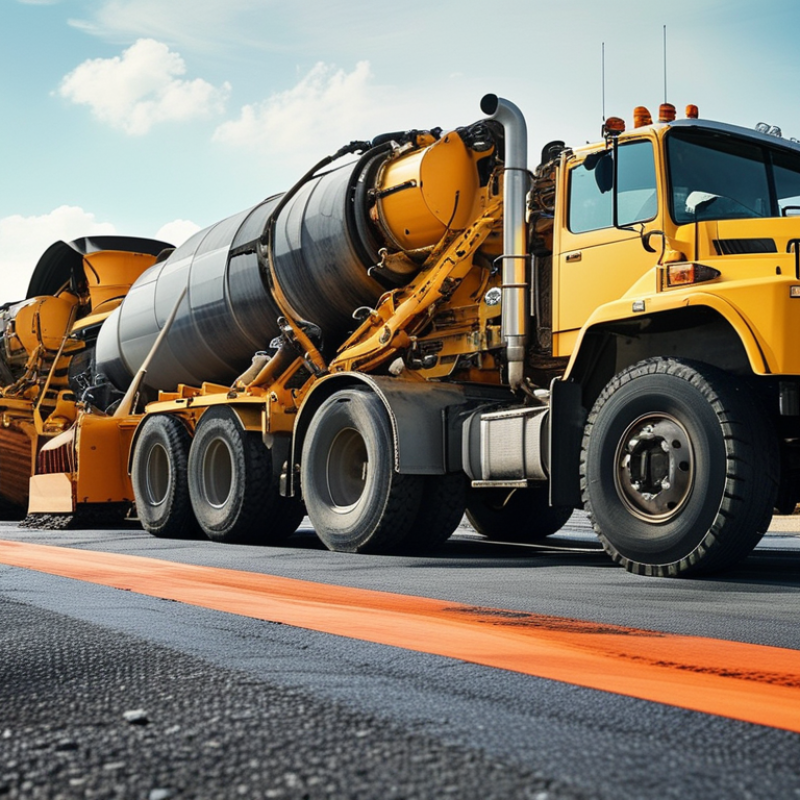
When selecting asphalt equipment, knowing the types available is crucial. There are various options, each with specific uses. For instance, pavers lay asphalt smoothly on roads. They come in different sizes, suitable for both large highways and smaller residential projects. Choosing the right size can significantly impact your work's efficiency and quality.
Another important type is the roller. Rollers compact the asphalt, ensuring durability and a smooth finish. You can find different rollers, including static and vibratory types. Each has distinct advantages based on the terrain and project requirements. It is vital to understand these differences to achieve optimal results.
Lastly, consider the importance of maintenance equipment. Tools for cleaning and repairing asphalt surfaces are essential. Regular maintenance prolongs the lifespan of the pavement. Investing in quality maintenance equipment can reduce long-term costs. It’s worth evaluating the long-term benefits these tools can provide. Each piece of equipment plays a role in your overall project success.
Assessing Your Specific Asphalt Project Requirements
When selecting asphalt equipment, understanding your specific project requirements is crucial. Whether you're handling small repairs or large paving projects, the right equipment can make a significant difference. Consider the scale and type of work involved. For instance, if you're focused on residential driveways, lighter, more portable equipment may suffice. Conversely, large commercial projects will require robust machinery designed for efficiency and durability.
**Tips:** Evaluate terrain types. Uneven surfaces might need specialized tools like rollers or compactors. Assessing the scope of work early on can prevent costly mistakes later.
Budget is also a vital aspect. It's not just about purchase prices; consider maintenance costs too. Equipment that is cheaper to buy might have higher upkeep expenses. Be realistic about the skills available to operate the equipment. If your team lacks experience, investing in training could be beneficial.
**Tips:** Always prioritize safety features. Well-functioning safety systems can save lives. Regularly check equipment condition to ensure reliable operation. Balancing budget, capability, and safety can often reflect the project's final outcome.
Choosing the Best Asphalt Equipment: Data Comparison
Evaluating Key Features and Specifications of Asphalt Equipment
When assessing asphalt equipment, key features are paramount. Look at the engine power. A strong engine ensures efficiency in different conditions. You want equipment that can handle various asphalt mixtures without bogging down.
Another important aspect is the machine’s weight. Heavier machines tend to provide better stability during operation. However, too much weight can hinder mobility. Evaluate your working environment. Will you operate on uneven terrain or tight spaces?
Pay attention to the technology included in the equipment. Modern machines often come with enhanced controls and monitoring systems. These features improve precision but can complicate operations. Ensure that your team is adequately trained to use these systems. Balancing technology and user-friendliness is essential.
Budgeting and Cost Considerations for Asphalt Equipment Purchase
When considering the purchase of asphalt equipment, budgeting plays a pivotal role. Begin by identifying your financial limits. Determine how much you can responsibly spend without straining your resources. Calculate not only the purchase price but also maintenance, fuel, and operational costs. This comprehensive approach helps avoid surprising expenses later.
Tips: Always account for maintenance costs. Equipment that seems cheap upfront may have higher long-term expenses. Assessing these factors can save you money down the line.
Another key concept is to research various equipment types. Understand the differences between compactors, pavers, and distributors. Sometimes, a slightly more expensive model will offer superior efficiency. Such an investment can yield better performance and reduced operating costs in the long run.
Remember, it’s important to reflect on your needs. Are you working on small projects or large-scale jobs? Your choice should align with your workload. Analyze past projects and potential future demands to make a more informed decision.
How to Choose the Best Asphalt Equipment for Your Needs? - Budgeting and Cost Considerations for Asphalt Equipment Purchase
| Equipment Type | Average Price Range (USD) | Operating Costs (Annual) | Maintenance Considerations | Recommended Usage |
| Asphalt Paver | $50,000 - $150,000 | $12,000 | Regular check-ups; parts replacement | Highway and road construction |
| Rollers | $25,000 - $100,000 | $5,000 | Inspect hydraulic systems regularly | Soil compaction; asphalt lay-down |
| Asphalt Distributor | $40,000 - $120,000 | $10,000 | Clean regularly; check tanks for leaks | Road repair and maintenance |
| Hot Mix Asphalt Plant | $200,000 - $500,000 | $30,000 | Frequent inspections; replace wear parts | Large-scale asphalt production |
| Tack Coat Sprayer | $15,000 - $50,000 | $3,500 | Check nozzles and hoses periodically | Preparing surfaces for asphalt overlay |
Maintenance and Support Considerations for Long-Term Use of Equipment
Choosing the right asphalt equipment involves more than initial cost. Maintenance and support are critical for longevity. Regular upkeep can prevent unexpected failures and costly repairs. Create a consistent maintenance schedule. This ensures all machinery operates smoothly.
Invest in training for your team. Effective training enhances equipment usage. A knowledgeable operator can spot issues early. This can save money and extend the lifespan of the equipment. Ensure your team stays informed about best practices. A lack of awareness can lead to mistakes, creating larger problems later.
Consider the support service from your suppliers. A reliable support system is invaluable. Access to parts and expert advice ensures that you can maintain your equipment properly. Delays in repairs can lead to work stoppages. Develop a rapport with your supplier. This relationship can provide you with added peace of mind and resources when needed.