How to Choose the Best Geomembrane Welding Machine?
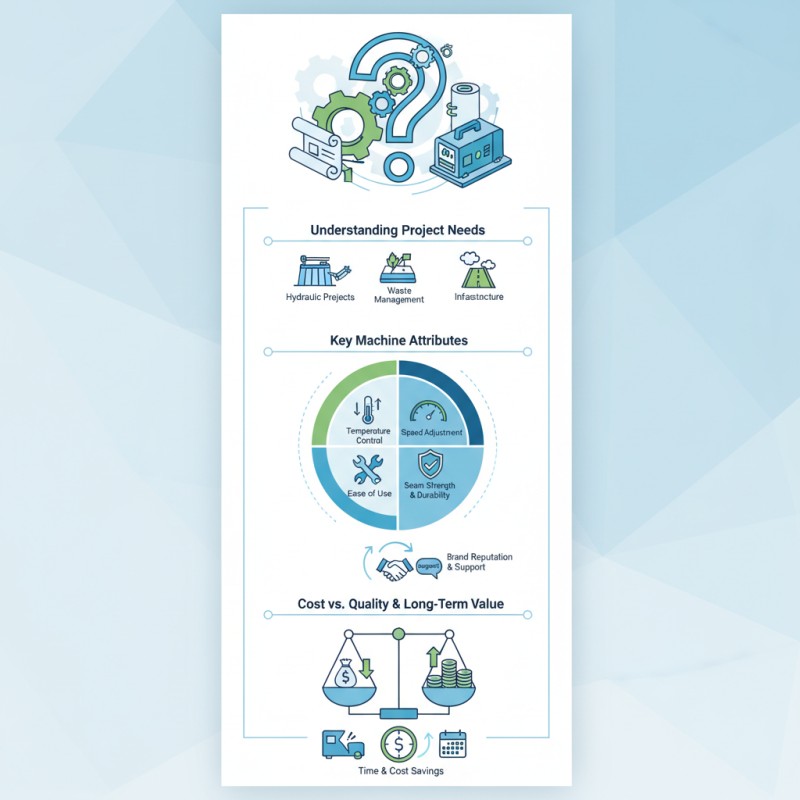
Choosing the right Geomembrane Welding Machine is crucial for successful project outcomes. With various options available, the selection process can be daunting. Understanding your specific project needs is a fundamental step. Each machine offers unique features, and some might not meet your requirements.
A quality Geomembrane Welding Machine should ensure strong and durable seams. Look for key attributes such as temperature control, speed adjustment, and ease of use. These factors contribute significantly to the machine's performance and reliability. Brands with a solid track record often provide better support and service options, enhancing your investment.
However, price should not be the only deciding factor. Cheaper machines may compromise on quality and durability. Reflecting on your long-term needs and the machine's capabilities is essential. This balance between cost and quality will lead to better decision-making. A well-chosen geomembrane welding machine can ultimately save you time and money in the long run.
Understanding the Different Types of Geomembrane Welding Machines
When selecting a geomembrane welding machine, understanding the different types is crucial. There are primarily three categories: hot air welders, extrusion welders, and wedge welders. Each type has distinct applications and benefits. Hot air welders are excellent for small-scale projects. They use heated air to join geomembrane sheets, making them portable and easy to operate. However, they may require more skill and practice to achieve flawless seams.
Extrusion welders offer a different approach. They melt plastic via a feeding mechanism, creating solid seams. This method is suitable for thicker materials and large surfaces. Yet, they can be bulky and less versatile in tight spaces. Wedge welders operate through high-frequency vibration. These machines deliver strong bonds quickly, ideal for time-sensitive projects. Still, they might demand a higher investment upfront.
Each type has its pros and cons, necessitating careful evaluation. Consider your project's scale, material thickness, and budget. Are you prepared to invest in training for operators? This aspect can often be overlooked but remains key to successful welding. Geometry and environmental factors should also influence your choice. Sometimes, the best tool is not the most advanced one, but the one that meets the project’s unique needs.
Key Features to Look for in a Geomembrane Welding Machine
When selecting a geomembrane welding machine, certain key features are crucial for effectiveness and durability. First, consider the welding technology employed. Hot wedge and extrusion welding are common. Each method serves different application needs. Hot wedge machines are known for their speed, while extrusion welding provides better seam strength.
Another vital aspect is temperature control. A reliable machine should maintain consistent temperatures for optimal welding results. Inaccurate temperature can lead to weak seams, reducing the integrity of the project. Look for machines that offer digital displays for tracking temperatures.
Durability and build quality are also significant factors. Machines made from robust materials withstand tough conditions. Evaluate the weight and mobility of the machine for ease of use. A heavy machine might indicate durability but can be challenging to maneuver. Maintenance requirements matter as well. Machines requiring frequent repairs can hinder project timelines. Regular assessments and user-friendly designs help ensure long-term reliability.
Comparing Manual vs. Automated Geomembrane Welding Machines
When selecting a geomembrane welding machine, the choice between manual and automated options is crucial. Manual machines are often less expensive upfront. They offer portability for smaller projects but require skilled operators. According to recent industry data, manual machines may achieve welding speeds of about 2-5 meters per minute. However, the efficiency heavily depends on the worker’s ability and experience.
On the other hand, automated geomembrane welding machines provide a higher degree of consistency and precision. These machines can operate at speeds exceeding 10 meters per minute. A study by the Geosynthetic Research Institute highlights that automated systems reduce the chance of human error significantly, improving seam strength. However, while automated machines can reduce labor costs, their initial investment is usually higher.
Tips: Assess your project scale. For small, remote projects, manual machines might suffice. If you anticipate large volumes or require precision, invest in automation. Also, consider the availability of trained personnel. Without skilled operators, even the best machine will underperform. Reflect on your long-term goals, as choosing the right machine now can impact future efficiency and cost-effectiveness.
How to Choose the Best Geomembrane Welding Machine? - Comparing Manual vs. Automated Geomembrane Welding Machines
| Feature | Manual Welding Machines | Automated Welding Machines |
| Initial Cost | Lower | Higher |
| Ease of Use | Moderate, requires training | User-friendly, minimal training needed |
| Welding Speed | Slower | Faster |
| Precision | Depends on operator skill | High, consistent results |
| Maintenance | Requires regular maintenance | Less frequent maintenance needed |
| Best For | Small projects, tight budgets | Large projects, high-volume applications |
Factors Influencing the Cost of Geomembrane Welding Machines
When selecting a geomembrane welding machine, it's essential to consider several key factors that influence its cost. The type of machine significantly affects pricing. For instance, automatic machines typically cost more than manual options. Features like advanced digital controls and higher welding speeds add to the price but can enhance efficiency.
The specifications of the geomembrane material also play a crucial role. Thicker or more complex materials often require specialized welding machinery. This necessity can push costs higher. Additionally, the machine's power source—whether it’s electric or gas—impacts both the upfront cost and long-term operational expenses.
Durability is another critical aspect. Machines made with higher-quality materials tend to have longer lifespans, making them a more reliable choice despite a higher initial investment. It's vital to balance immediate budget concerns with long-term reliability. Be wary of machines that seem too inexpensive, as they may compromise on crucial features. Consider your specific project needs and potential future applications.
Assessing Manufacturer Reputation and Customer Support in Selection
When selecting a geomembrane welding machine, it’s crucial to consider the manufacturer’s reputation. A strong reputation often indicates quality and reliability. Customers should investigate how long a manufacturer has been in the industry. Experience can lead to better products and services. Reading reviews can provide insights into customer satisfaction.
Customer support is equally vital. Consider how accessible and responsive the manufacturer’s support team is. Reach out with questions before making a decision. Good communication can reveal a lot about their commitment to customers. Look for companies that offer training resources and prompt service. This support can make a significant difference during the machine's operation.
It’s essential to reflect on these factors. A good machine is only part of the equation. The support and reputation behind it can influence your project's success. Take time to weigh your options carefully. Choosing the right manufacturer can enhance your project outcomes significantly.