How to Choose the Best Restroom Stall Walls for Your Business?
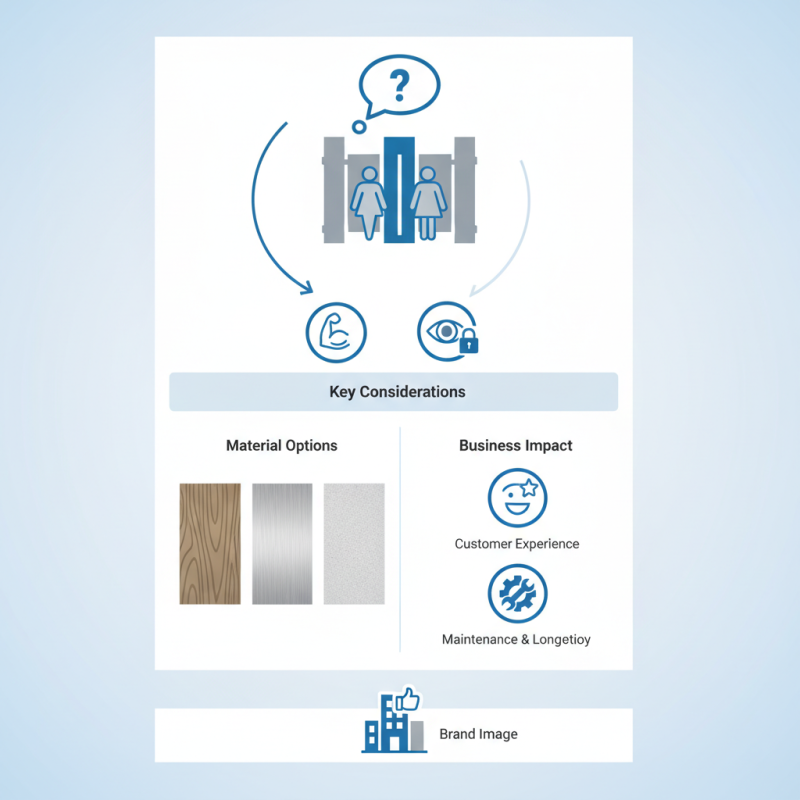
Choosing the right Restroom Stall Walls is crucial for any business. The right choice can enhance the customer experience. Consider factors like durability and privacy.
Restroom stall walls come in various materials and styles. Some options are more appealing while others might seem cost-effective. It’s essential to balance aesthetics with functionality. Often, businesses overlook wear and tear on these walls. Can they withstand heavy use?
Also, think about maintenance. Some materials require more upkeep than others. It’s easy to ignore this aspect at first, but it matters. Ultimately, restroom stall walls reflect your brand's image. A poor choice might lead to negative impressions. Exploring different options ensures you make an informed decision.
Factors to Consider When Choosing Restroom Stall Walls
When selecting restroom stall walls, several factors come into play. Material durability is crucial. Studies show that high-traffic areas require walls that resist wear and tear. For instance, plastic laminate and solid phenolic are popular for their longevity and ease of cleaning. Many facilities report that these materials last 10 to 15 years with proper care.
Consider the overall design of your restroom. The wall color and texture can impact the ambiance. Choosing lighter colors can make a small space feel larger. Alternatively, darker shades may bring a modern touch. Reports indicate that 65% of patrons prefer clean, well-maintained restrooms. Aesthetics play a key role in customer satisfaction.
**Tip**: Engage employees in the decision-making process. They can provide insights into practical needs.
Don’t overlook maintenance. Some materials may require special cleaners that increase upkeep costs. A survey found that businesses often underestimate maintenance expenses, sometimes reaching 20% of their budget.
**Tip**: Always gather multiple quotes when choosing suppliers. Prices can greatly vary, and negotiation is often beneficial.
Sometimes, the most durable option is not the best fit for every business. Flexibility and balance between design and functionality are essential.
How to Choose the Best Restroom Stall Walls for Your Business? - Factors to Consider When Choosing Restroom Stall Walls
| Factor | Description | Material Options | Cost Range |
| Durability | Resistance to scratches, dents, and moisture. | Stainless Steel, Solid Plastic | $200 - $500 per stall |
| Maintenance | Ease of cleaning and upkeep. | Laminate, Powder-Coated Steel | $150 - $400 per stall |
| Aesthetic Appeal | Visual impact and design options available. | Wood Laminate, Colored Plastic | $250 - $600 per stall |
| Privacy | Levels of sound and visual privacy offered. | High-Pressure Laminate, Frosted Glass | $300 - $700 per stall |
| Installation | Complexity and cost of assembly. | Aluminum Frames, Drywall | $100 - $300 per stall |
Material Options for Restroom Stall Walls: Pros and Cons
Choosing the right material for restroom stall walls can significantly impact the user experience. Various options provide distinct benefits and drawbacks. For instance, plastic laminate is popular due to its cost-effectiveness and aesthetic appeal. It resists moisture well but can dent or scratch easily, leading to a need for quick replacements. Maintenance might become a concern over time.
Stainless steel is another option known for durability and ease of cleaning. It’s resistant to vandalism and offers a modern look. However, it can get cold and uncomfortable during winter months. Additionally, fingerprints can be an issue, creating a constant need for upkeep. Weigh these factors carefully before making a decision.
Material choices should fit your business needs. Consider the flow of traffic and user demographics. Budget constraints might limit options, but it’s essential not to sacrifice quality for cost. A poorly selected material can tarnish the restroom’s image. Exploring different options and gathering feedback can help find the most suitable fit for everyone.
Material Options for Restroom Stall Walls: Pros and Cons
Design and Aesthetics: Enhancing Your Business Image
When designing restroom stall walls, aesthetics and functionality play crucial roles. A well-designed restroom can enhance the overall image of your business. Research shows that 72% of customers notice restroom cleanliness and design. This emphasizes the importance of creating an inviting atmosphere.
Material choice is important for design. For instance, laminate provides an affordable and stylish option. Some businesses opt for solid plastic, which can withstand high usage and is easy to maintain. However, these choices often come with a trade-off in style. Reflect on the visual impact of your selection. Poor choices can leave a negative impression on customers.
Lighting also affects the restroom ambiance. Soft, warm lighting makes spaces feel more welcoming. Reports indicate that well-lit restrooms reduce anxiety and discomfort for users. On the flip side, harsh lighting can exacerbate flaws in design and cleanliness. It's a balance worth considering for enhancing your business image.
Cost-Effectiveness: Budgeting for Restroom Stall Installations
When planning restroom stall installations, budgeting is vital. A cost-effective choice doesn’t mean sacrificing quality. Examine materials like plastic, stainless steel, and laminate. Each material varies in durability and price. Consider long-term maintenance costs alongside initial expenses. Cheap materials may need replacing sooner, impacting your overall budget.
Work with a trusted contractor to get accurate estimates. They can provide insights on installation costs and potential hidden fees. Always remember to factor in design elements. Creative designs can elevate the restroom environment, but they might stretch your budget. Tight finances might limit choices, and that’s okay.
Assess the needs of your business. A high-traffic location may require more robust stall walls. Durability is key, especially if maintenance budgets are tight. An inexpensive material won't hold up. Regular repairs can quickly add up. Balancing aesthetics and functionality can be a challenge, but it’s worth considering all options. Every decision impacts the user experience and the bottom line.
Maintenance and Durability: Ensuring Longevity of Stall Walls
When selecting restroom stall walls, durability and maintenance are key factors. According to the 2022 Bathroom Fixtures Annual Report, nearly 25% of businesses face costly repairs due to poor-quality materials. Choosing the right materials can significantly reduce these expenses. For instance, high-density polyethylene (HDPE) offers superior resistance to moisture and impact, making it an optimal choice for high-traffic areas.
Maintenance is not just about repairs; it also involves keeping the stalls looking fresh. Regular cleaning and proper care can extend the lifespan of stall walls, yet many businesses overlook this aspect. A recent study showed that 60% of facilities need improvements in their cleaning protocols. Investing in materials that are easy to clean can save time and effort. Employees often spend hours maintaining stalls, so a balance between aesthetics and functionality is crucial.
Reflecting on feedback from users is essential. Many find that materials that look good can deteriorate quickly. In contrast, sturdy options may lack visual appeal. Striking the right balance between durability and design is often challenging. It's worth considering how well a chosen material will hold up over time. Durability should not compromise the stall's overall look. Maintaining that fine line is a task that requires continuous evaluation and adjustments.