How to Choose the Right Aluminum L Profile for Your Project?
When embarking on a project requiring structural components, choosing the right aluminum L profile is critical. Industry reports indicate that the demand for aluminum in construction has increased by 20% over the last five years. This growth is attributed to its lightweight properties, corrosion resistance, and versatility. Yet, selecting the correct profile can be challenging.
Aluminum L profiles vary in thickness, size, and alloy composition. Each of these factors can significantly impact a project's durability and performance. A recent market study highlighted that nearly 15% of projects fail due to improper material selection. This statistic serves as a reminder of the importance of understanding specific project requirements before making a final decision.
Investing time in understanding the characteristics and applications of aluminum L profiles can mitigate risks. Consulting with suppliers or industry experts often leads to better outcomes. Consideration of factors like load-bearing capacities and environmental exposure can make a significant difference. Ultimately, reflecting on your project's unique needs will guide you toward the right aluminum L profile.
Understanding Aluminum L Profiles and Their Applications
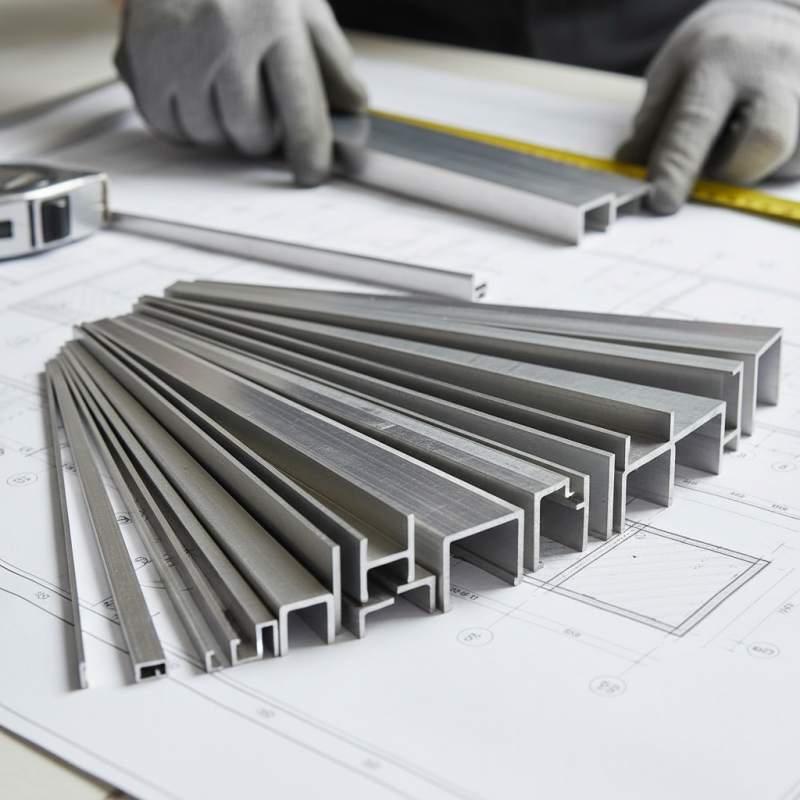
Aluminum L profiles, often referred to as angle bars, are essential in various construction and manufacturing projects. They are lightweight yet strong, making them suitable for numerous applications. These profiles come in different sizes and thicknesses, which can significantly impact their performance. Proper understanding of the product is crucial for optimal usage.
When selecting an aluminum L profile, consider its application. For structural support, thicker profiles are preferred to withstand loads. Conversely, lighter profiles may suffice for decorative purposes or lightweight fixtures. Each profile has its own mechanical properties, which can influence durability. This variability requires careful assessment and selection based on specific project needs.
Additionally, environmental factors play a role. Aluminum resists corrosion but may not perform the same in extreme conditions. Renovations or installations in severe weather might need additional treatments for the profiles. Evaluating these details can help ensure the chosen L profile fulfills its intended purpose, avoiding future complications. Thoughtful consideration leads to better choices and outcomes.
Identifying Key Specifications for Your Project Requirements
Choosing the right aluminum L profile for your project starts with understanding its specifications. Aluminum profiles come in various grades and finishes. Common alloys include 6061 and 6063, each offering unique properties. For example, 6061 is known for its strength and corrosion resistance, while 6063 provides excellent aesthetic qualities. According to industry standards, structural integrity is crucial, so select profiles that meet the required load-bearing specifications of your project.
Another key specification is the dimensions of the L profile. Width and height affect both strength and application. A larger L profile can support heavier loads, while a smaller one may suit lighter applications. The American Society for Testing and Materials (ASTM) provides guidelines on the optimal dimensions based on expected stresses. Furthermore, understanding the environment is essential. If your project faces exposure to chemicals or extreme temperatures, ensure that the aluminum chosen is suitable for such conditions.
While many specs focus on strength and durability, it’s easy to overlook practicality. Installing profiles may require additional tools or skills. Take time to plan the installation process and necessary modifications. Always engage with professionals who can provide insights based on experience. Crafting a successful project with aluminum L profiles often involves reflection on both specifications and practical considerations.
Comparing Different Types of Aluminum L Profiles
When comparing different types of aluminum L profiles, it's essential to consider their structural characteristics. Standard profiles can vary in thickness, width, and length. According to the Aluminum Association, the most common dimensions range from 1 inch to 4 inches in width, and up to 0.375 inches in thickness. Consider how these dimensions affect load-bearing capabilities. Thicker profiles generally provide increased strength, but the added weight may not be ideal for all projects.
Corrosion resistance is another critical factor. Aluminum naturally forms a protective oxide layer, but the environment can influence performance. A study by the Materials Research Institute shows that aluminum profiles exposed to harsh conditions may require additional treatments. For instance, anodizing or powder coating can enhance durability. However, such treatments could increase costs and lead time.
Cost is often a decisive factor in material selection. According to industry reports, prices for aluminum L profiles can vary significantly. Typical costs range from $2.00 to $5.00 per pound, depending on the alloy and dimensions. Understanding these variations is crucial when budgeting for a project. Choosing the wrong profile might lead to over-engineering or insufficient support, ultimately affecting project feasibility. Consider the specific structural needs of your application carefully, balancing quality with cost.
Factors to Consider When Sourcing Aluminum L Profiles
When sourcing aluminum L profiles for your project, several factors are crucial. The first consideration is the specific application. Different projects require varying sizes and thicknesses of L profiles. Determine the loads the profile must support. This ensures that the chosen material will withstand stress and not warp over time.
Another essential factor is the finish of the aluminum. The surface treatment can affect durability and aesthetics. Options include mill finish, anodized, or painted surfaces. An appropriate finish can enhance corrosion resistance. However, remember that finishes can add to the overall cost of the product.
Researching suppliers is also vital. Not all suppliers offer the same quality. Look for those who provide certifications or verifiable quality standards. Ask for samples if possible. This proactive approach allows for evaluating strength and flexibility. Though time-consuming, understanding the supplier’s reputation can prevent future issues. This thoroughness often makes a substantial difference in a project's success.
Best Practices for Installation and Maintenance of Aluminum L Profiles
When installing aluminum L profiles, proper techniques can enhance durability and performance. Start with clean surfaces. Remove any dust or grease. This aids in adhesive bonding, ensuring a secure fit. Using a level is crucial for alignment. Even a slight misalignment can cause issues later on.
Regular maintenance is key to extending the life of aluminum profiles. Inspect them periodically for any signs of wear or corrosion. Consider the environment where they are used. Harsh conditions may necessitate more frequent checks. Cleaning with a mild detergent may help prevent buildup. Using harsh chemicals should be avoided, as they can damage the finish.
Mistakes during installation are common. Over-tightening screws can lead to warping. It’s wise to take your time and follow guidelines meticulously. Each project is unique; adjustments may be needed. Remember, attention to detail can make a significant difference in the longevity of your aluminum L profiles.
How to Choose the Right Aluminum L Profile for Your Project? - Best Practices for Installation and Maintenance of Aluminum L Profiles
| Project Type | Recommended L Profile Size (mm) | Material Thickness (mm) | Common Applications | Installation Tips |
| Construction | 50 x 50 | 3 | Framing, Support Structures | Ensure square cuts and use a miter saw. |
| Furniture | 30 x 30 | 2 | Table Legs, Shelving | Use appropriate fasteners and corner brackets. |
| DIY Projects | 20 x 20 | 1.5 | Decorative Frames, Small Racks | Drill holes for easy installation. |
| Automotive | 40 x 40 | 2.5 | Frames, Mounting Brackets | Check strength and flexibility for safety. |
| Electrical | 25 x 25 | 2 | Cable Management, Support | Ensure proper insulation and grounding. |