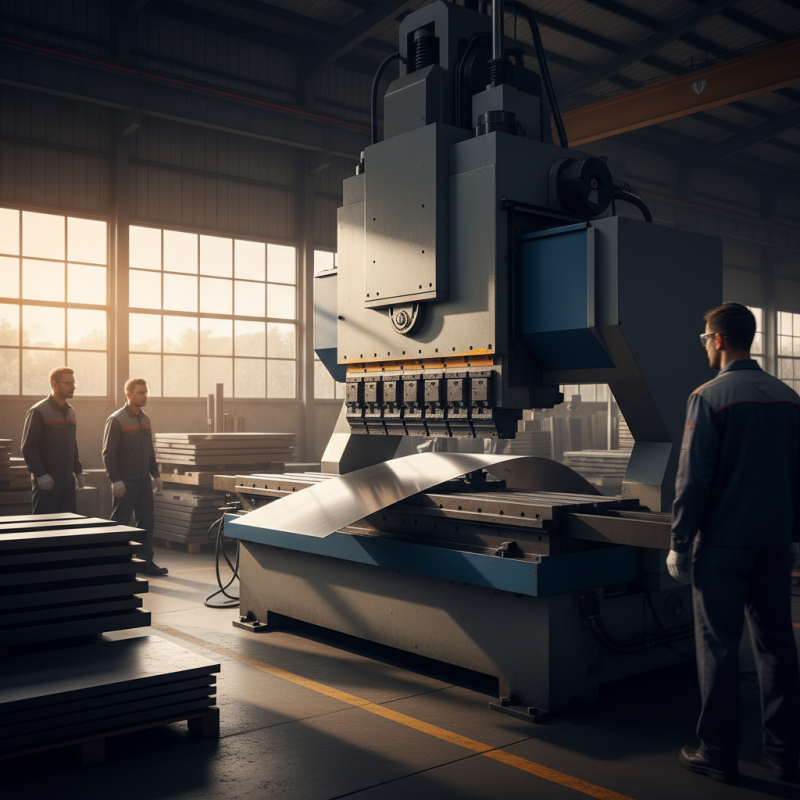
How to Choose the Right CNC Press Brake Machine for Your Needs?
Choosing the right Cnc Press Brake Machine can significantly impact your manufacturing process. As industry expert John Smith once said, “Selecting the right machine can define your efficiency.” His insight highlights the need for careful consideration in this complex decision.
CNC press brake machines vary greatly in features and specifications. Understanding your specific needs is crucial. Factors such as material type, thickness, and production volume must be evaluated. A mismatch can lead to inefficiencies and increased costs.
Businesses often overlook key aspects when selecting a machine. Some focus only on price, while others ignore the required bending capacity. Reflect on what matters most to your production line. A CNC press brake machine is a long-term investment, and making an informed choice is essential for success.
Understanding CNC Press Brake Machines and Their Applications
CNC press brake machines are essential in modern manufacturing. They bend metal sheets with precision. These machines are integral to industries such as automotive, aerospace, and construction. According to the American Fabricators Association, CNC brakes improve efficiency by up to 30% compared to manual systems. This enhancement leads to significant cost savings and better product quality.
Understanding the applications of CNC press brakes is crucial. They can handle various materials, including steel, aluminum, and brass. The flexibility in material handling allows manufacturers to produce diverse components. However, not all machines are created equal. Factors like bending capacity, accuracy, and energy efficiency vary. Research indicates that 40% of companies report operational challenges due to machine limitations. It’s vital to assess your manufacturing needs carefully.
The success of using CNC press brakes largely depends on operator expertise. Training programs enhance skill levels, ensuring optimal machine performance. The industry's growth forecasts an increase in demand for skilled operators. Yet, many plants face a skills gap. A recent report by the Fabricators & Manufacturers Association highlights that nearly 60% of manufacturers struggle to find qualified technicians. This disparity presents challenges for long-term planning in production capabilities.
Key Factors to Consider When Selecting a CNC Press Brake Machine
Choosing the right CNC press brake machine is crucial for your operations. Several key factors should guide your decision. Start with the machine's capacity. This includes the bending length and tonnage. Ensure it meets your production needs, both now and in the future.
Another important aspect is the technology involved. Modern CNC press brakes offer advanced features like automatic tool changing and real-time monitoring. These can enhance efficiency. However, consider whether you truly need all these functions. Sometimes, simpler machines sufficently meet basic needs without excessive costs.
Pay attention to the material's types that you'll be bending. Different materials require different tooling and settings. Additionally, check the machine's adaptability to various projects. An overly specialized machine might limit your flexibility. Finally, do not underestimate after-sales support and availability of parts. This can significantly affect your operations. Reflect on these aspects carefully before making a choice.
Evaluating the Specifications and Capabilities of Press Brake Models
When selecting a CNC press brake machine, the specifications must align with your production needs. Pay close attention to the bending capacity, which is usually measured in tons. Know your material thickness and type. This will help you determine the required tonnage. Additionally, consider the bed length. A longer bed allows for larger pieces but may require more floor space.
Control systems are another crucial aspect. Modern CNC machines often come with user-friendly interfaces that enhance efficiency. Check for programmable features that suit your workflow. Precision is vital, so evaluate the accuracy specifications, such as repeatability and back gauge positioning. These elements can significantly impact your project's quality.
Reflect on the machine's adaptability as well. Will it handle different materials or part designs? Flexibility can save time and costs in the long run. However, not all machines can do this efficiently. Research thoroughly to avoid overshooting your budget or settling for a model that won't meet future demands. Consider user reviews and expert opinions, as these provide valuable insights into real-world performance.
Assessing Budget and Cost Factors for CNC Press Brake Machines
When considering a CNC press brake machine, budget plays a crucial role. A report from the Fabricators & Manufacturers Association indicates that initial costs can range from $10,000 to over $200,000. This wide range depends on machine capabilities, brand reputation, and technology features. For many businesses, it could mean a significant investment, potentially affecting cash flow.
Beyond initial purchase costs, long-term operating expenses are equally important. Maintenance and repair costs can add up, often estimated at 10-15% of the machine's initial price annually. This doesn't include the cost of skilled labor required to operate a sophisticated CNC machine, which can be a hidden expense. Industry data shows that hiring qualified operators can increase overall costs by 25-30%.
It's essential to consider potential returns on investment. A high-quality CNC press brake may have a higher upfront cost but could lead to improved efficiency and reduced waste. Therefore, understanding the total cost of ownership is essential. Engaging with industry experts and reviewing case studies can shed light on making a more informed decision.
Tips for Ensuring Optimal Maintenance and Longevity of Your Machine
Maintaining a CNC press brake machine is crucial for optimal performance and longevity. Regular cleaning is essential. Dust and debris can accumulate, impacting precision. Use compressed air to blow out the components. This simple step can prevent malfunctions. Check for any signs of wear and tear. Ignoring small issues can lead to expensive repairs later.
Lubrication is another key aspect. Schedule routine checks for fluid levels in hydraulic systems. Low levels can cause overheating. Ensure moving parts are well-lubricated to reduce friction. Create a maintenance log to track these actions. This practice encourages accountability and thoroughness.
Operator training is vital too. A well-informed staff can identify problems early on. Training minimizes the risk of misuse, which extends machine life. Encourage open communication. Operators should feel comfortable reporting unusual sounds or behaviors. Addressing concerns promptly can save time and perform repairs before they escalate.