How to Choose the Right Industrial PC for Your Business?
Choosing the right Industrial PC for your business is crucial for operational success. In a recent report by MarketsandMarkets, the industrial PC market is projected to reach USD 5 billion by 2025. This growth highlights the increasing reliance on these systems in various industries. However, selecting the appropriate model can be overwhelming.
Industrial PCs vary significantly in features and specifications. Factors like processing power, durability, and connectivity should match your specific needs. A study from Grand View Research indicates that 60% of companies face challenges in integrating technology into their operations. This gap underscores the importance of informed choices.
Reliability is a key concern. Reports show that 70% of system failures are linked to inadequate hardware selection. Investing in the right Industrial PC can mitigate risks and enhance productivity. As businesses evolve, understanding these dynamics becomes essential. Reflection on past technology choices can illuminate the path forward.
Understanding the Different Types of Industrial PCs Available
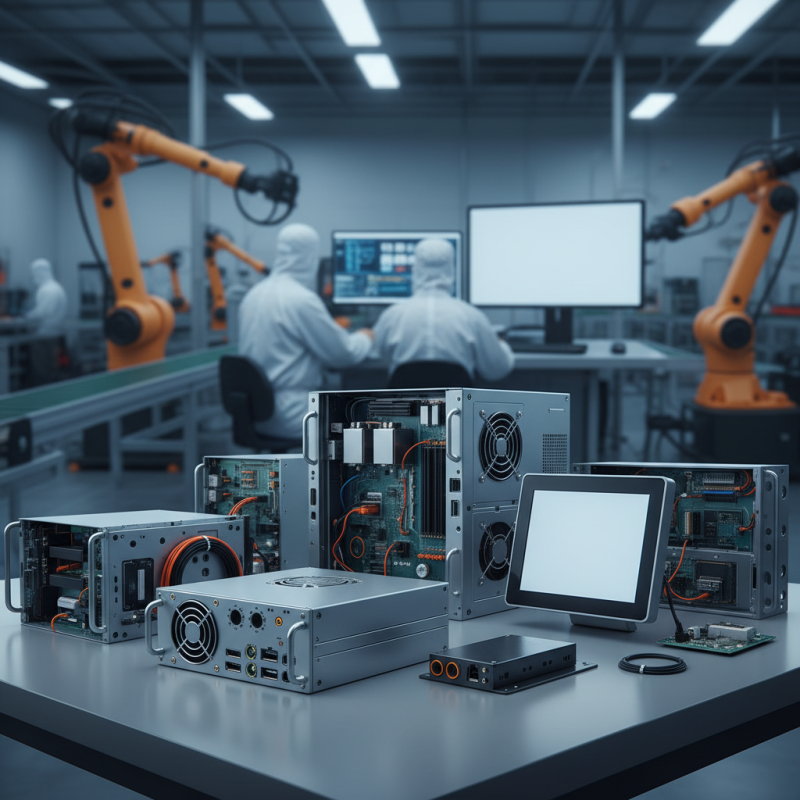
When selecting an industrial PC, understanding the types available is crucial. Different industrial environments require specific features. For instance, fanless PCs are designed for dusty or dirty settings. They often utilize passive cooling technology, ensuring reliability in harsh conditions. Reports show that 40% of industrial PC failures are related to cooling issues.
Another type is the ruggedized PC, built to withstand extreme temperatures and vibrations. These PCs are common in sectors like manufacturing and transportation. A recent study indicated that ruggedized systems can increase productivity by 25% due to reduced downtime. They are designed to operate in conditions that standard PCs can't handle.
Additionally, embedded systems serve a niche role in automation. These compact units are integrated into machinery, allowing real-time monitoring. They can connect to the Internet of Things (IoT) for enhanced data collection. However, their limited processing power might pose challenges for complex applications. Companies must weigh the trade-offs of size versus performance when considering embedded solutions.
Identifying Your Business Needs and Requirements for an Industrial PC
Choosing the right industrial PC starts with understanding your business needs. An in-depth analysis of your operational requirements is crucial. Consider the environment where the PC will be used. Will it be in a dusty factory or a temperature-controlled lab? Each setting demands specific durability and performance characteristics. According to a report by the International Data Corporation (IDC), nearly 70% of businesses highlight environmental factors as a key determinant in their industrial PC selection.
Next, evaluate the processing power necessary for your applications. Do you run complex simulations or basic monitoring tasks? Research from MarketsandMarkets suggests that performance needs drive over 65% of the decision-making process. Knowing if you need multi-core processors or simple embedded systems can save time and reduce costs. Reliability is essential; a breakdown can lead to significant downtime. A staggering 42% of industries report that unplanned downtime costs them millions annually.
Don't overlook the connectivity options. Modern industrial PCs often need to integrate with IoT devices and cloud services. A study from Grand View Research indicates that the demand for connectivity is growing rapidly, with over 50% of businesses prioritizing it over traditional features. Make sure that the chosen PC supports the latest communication protocols. Ultimately, the right industrial PC should align with your unique needs and future growth strategies. Balancing these factors requires careful consideration, but it is a necessary step toward long-term success.
Industrial PC Requirements by Business Sector
Evaluating Performance Specifications for Industrial PC Selection
When selecting an industrial PC, performance specifications are crucial. Begin by assessing the processor type. A powerful CPU enhances task efficiency. Look for multicore options if your applications demand high processing power. The RAM capacity also plays a vital role. More RAM allows for smoother multitasking and faster data access. Aim for at least 8GB for most industrial applications.
Consider the storage solutions available. SSDs provide quicker load times compared to traditional HDDs. This speed can significantly impact operations in demanding environments. Additionally, review the I/O ports required for your equipment. Compatibility ensures seamless integration with existing technology. Graphics performance is another key factor, especially for applications like real-time monitoring.
Pay attention to cooling systems as well. In some settings, dust and heat can be enemies of performance. An effective cooling solution prolongs the lifespan of your PC. Remember, over-specification might lead to unnecessary costs. Strike a balance between performance needs and budget constraints. Define your unique requirements clearly to avoid future issues. Consider these elements critically, as they will influence the efficiency of your business operations.
Considering Environmental Factors in Choosing an Industrial PC
When selecting an industrial PC, environmental factors play a crucial role. Many industries face unique conditions, such as extreme temperatures, humidity, and dust exposure. For example, a study by Gartner indicates that 51% of manufacturing facilities experience temperatures exceeding 40°C. Choosing a PC that operates reliably in these conditions ensures longevity and optimal performance.
Protection against dust and moisture is vital too. According to a report by MarketsandMarkets, 35% of unplanned downtime is attributed to equipment failures linked to environmental conditions. Look for IP-rated devices, which provide solid resistance against dust and water. An IP67 rating indicates complete protection against dust and immersion in water, making it suitable for harsh environments.
Consider vibration and shock resistance as well. In industries like transportation and construction, equipment faces constant jostling. A rugged design can mitigate damage from these forces. Research shows that equipment failures from shocks can cost businesses up to $100,000 annually. This emphasizes the need for robust industrial PCs that can withstand such challenges while maintaining high reliability.
Budgeting and Cost Considerations for Industrial PC Investments
When considering industrial PC investments, budgeting is crucial. Know your needs upfront. Assess the tasks they’ll handle, from data processing to controlling machinery. This helps narrow down options effectively.
Tips: Calculate total cost of ownership. This includes initial purchase price, maintenance, and potential upgrades. Sometimes, a lower-priced model can lead to higher long-term costs.
Beware of overspending on features that you may not need. A powerful PC might seem appealing, but it could be overkill for simpler tasks. Verify your requirements before making a decision.
Tips: Consider second-hand units if your budget is tight. They can offer significant savings. Ensure they meet your specifications and are from reliable sources. Always remember, a pragmatic approach toward your budget can save money while meeting business needs.