How to Choose the Best Agricultural Tools for Your Needs?
Selecting the right Agricultural Tools is crucial for success in farming. The market offers a wide variety of options, each designed for specific tasks. These tools can range from simple hand aids to advanced machinery. Understanding your unique farming needs can make a significant difference in productivity.
When choosing agricultural tools, consider the type of crops you grow and the scale of your farming operation. For small-scale farmers, lightweight hand tools may suffice. Large operations might require heavy-duty equipment and machinery. Accessibility and budget are also critical factors; not all tools are affordable for every farmer.
Many farmers make impulsive purchases, only to find the tools do not fit their operations. Reflecting on past tool choices can improve future selections. It’s vital to invest time into researching options. Quality and durability often matter more than brand names. The right agricultural tools can elevate your farming efficiency and yield.
Understanding the Different Types of Agricultural Tools Available
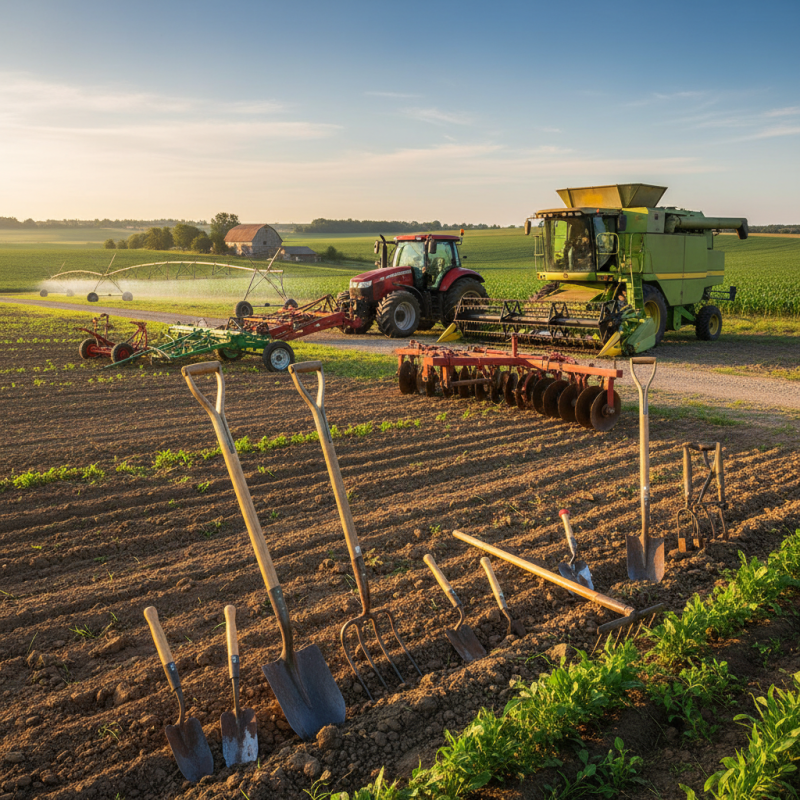
When selecting agricultural tools, it's crucial to understand the variety available. There are hand tools, power tools, and machinery. Each type serves unique purposes on the farm. Hand tools like shovels and hoes are essential for small-scale gardening. They allow for precision and control, especially in tight spaces. According to the USDA, about 70% of American farms still use hand tools, showing their enduring importance.
Power tools, including tillers and seeders, can significantly improve efficiency. They reduce labor and time. For instance, a tiller can prepare the soil in a fraction of the time a farmer would take with a shovel. Recent studies indicate that using appropriate power tools can increase crop yields by 30% or more. However, reliance on these tools can lead to overdependence, which might undermine skills in manual farming.
Machinery is another vital category. Tractors and combines are invaluable for large-scale operations. They enable farmers to manage vast fields and harvest efficiently. Yet, these machines can pose maintenance challenges and require significant investment. A 2021 report highlighted that 40% of tractor owners faced mechanical issues that affected productivity. Understanding these aspects helps farmers make informed decisions based on their specific needs and resources.
Types of Agricultural Tools and Their Usage
Identifying Your Specific Agricultural Needs and Goals
Identifying your specific agricultural needs and goals is crucial for choosing the right tools. Begin by assessing your land size and type. Different crops require different tools. If you’re farming vegetables, you might need tillers and seeders. For orchards, pruning tools and sprayers could be essential. Understanding the specific requirements of your crops is the foundation of your decision-making process.
Next, consider your farming practices and goals. Are you aiming for sustainable practices or high yield? This will influence the tools you select. For instance, organic farming may necessitate hand tools for weed control. Reflect on your labor resources as well. Limited manpower could steer you towards more efficient machinery. Each choice carries weight. It’s important to periodically re-evaluate these needs. What worked last season might not suit current conditions. Understanding your evolving goals is key to staying productive.
Evaluating Tool Quality and Durability for Longevity
When evaluating agricultural tools, quality and durability are essential aspects to consider. A reliable tool should withstand daily use in challenging conditions. Look for materials like stainless steel or high-carbon steel, which resist rust and wear. Durable handles made from resilient wood or composite materials can enhance grip and comfort, reducing strain over long periods.
Testing the tool's balance is also crucial. A well-balanced tool allows for better control during use, minimizing fatigue. Check for any signs of manufacturing defects before purchasing. Pay attention to how the tool feels in your hand. A tool that feels heavy or uncomfortable could lead to inefficient work.
Consider how often you'll use the tool. If you rely on it frequently, investing in higher-quality options pays off in the long run. Reflect on your unique needs and soil conditions. What works for one farmer might not work for another. Assessing durability does involve a bit of guesswork; make informed choices based on trusted recommendations and personal experience. Ultimately, a strong tool can save time and effort in your agricultural tasks.
How to Choose the Best Agricultural Tools for Your Needs? - Evaluating Tool Quality and Durability for Longevity
| Tool Type | Material | Durability (Years) | Weight (lbs) | Maintenance Frequency (Months) |
| Shovel | Steel | 10 | 3 | 12 |
| Rake | Aluminum | 8 | 2 | 10 |
| Hoe | Carbon Steel | 12 | 2.5 | 6 |
| Pruning Shears | Stainless Steel | 5 | 0.5 | 3 |
| Tiller | Cast Iron | 15 | 20 | 24 |
Researching Brand Reputation and Customer Reviews
When choosing agricultural tools, brand reputation matters. A trusted brand signifies quality. Researching reviews helps gauge performance. Look for feedback on durability and ease of use.
Tips: Check multiple sources for reviews. Look at expert opinions as well as customer experiences. Don’t rely solely on top ratings. Sometimes, three-star reviews reveal critical insights.
Recent trends show tools with mixed reviews can exceed expectations. They may lack perfection but offer unique value. Investigate why certain tools received lower ratings. There may be design flaws or specific use-case issues. Aim for tools that suit your specific agricultural needs.
Considering Budget and Cost-Effectiveness in Tool Selection
Choosing agricultural tools can be daunting. Many factors influence the decision, especially budget and cost-effectiveness. It's essential to consider what tools fit your needs without breaking the bank. High prices don’t guarantee quality. Some affordable options perform just as well, or better.
Research is key. Compare prices and features across different tools. Online reviews can provide insights from other users. A trusted community can help gauge reliability. Talk to other farmers. Their experiences can guide you to options that you might overlook. Remember, investing in a tool isn’t always about the initial price. Consider future maintenance costs too.
Trial and error is part of the process. You may buy a tool that doesn't meet expectations. This can be frustrating. Reflect on your choice and adjust your approach for future purchases. Keep track of what works best over time. Building a toolkit that balances cost with efficiency is an ongoing journey.