Top Tips for Choosing the Best Electric Sensor Switches?
Choosing the right Electric Sensor Switch can greatly enhance your home or business lighting system. As industry expert Tom Reynolds states, "The right sensor can transform any space into an efficient environment." Selecting the best switch requires understanding both functionality and compatibility with your existing systems.
Electric Sensor Switches rely on advanced technology to detect motion and light. They provide convenience and energy savings. However, various models exist, and not all are suited for every application. It’s essential to consider factors like sensitivity, range, and installation requirements. Each space demands a tailored approach.
Potential challenges arise during selection. Users often overlook specific needs and compatibility issues. A well-chosen Electric Sensor Switch can significantly improve efficiency, but poor choices may lead to frustration. Reflecting on past choices can guide future selections. Ensuring you make an informed decision will help create a seamless experience.
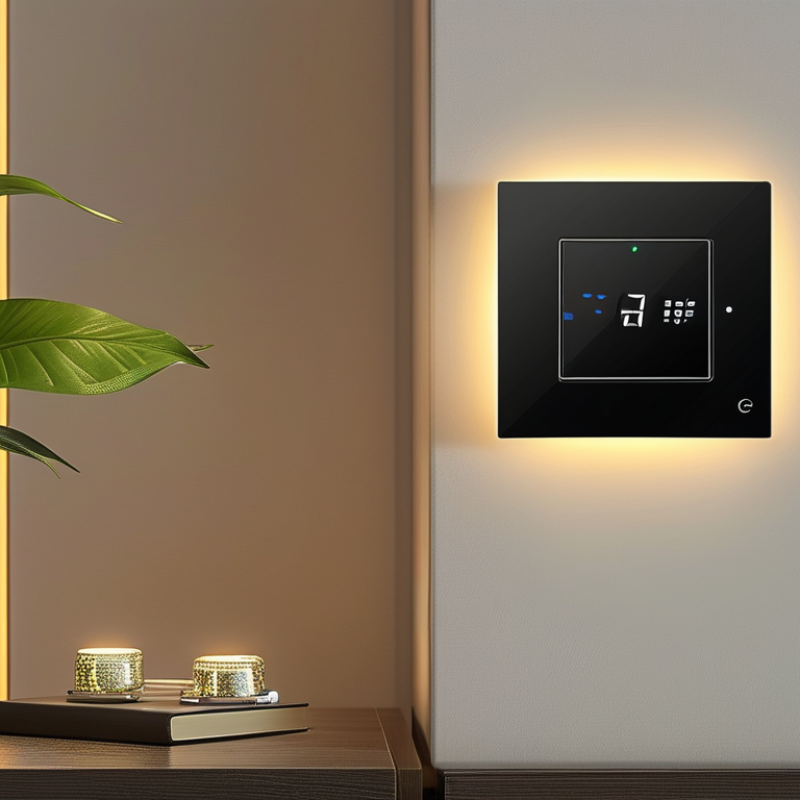
Understanding the Basics of Electric Sensor Switches and Their Functions
Electric sensor switches have gained popularity in modern lighting solutions due to their convenience and energy efficiency. These devices automatically turn lights on or off based on detected motion or ambient light levels. According to a report by Markets and Markets, the global sensor market is projected to reach $250 billion by 2026. This growing demand highlights the importance of understanding both the technology and its applications.
When selecting electric sensor switches, consider their operational range and response time. Different environments require different sensitivities. For residential spaces, a range of 30 feet is often adequate, while commercial spaces may require longer ranges. A response time of less than 0.5 seconds is ideal for most applications. Ensure the chosen sensor can adapt to various light conditions effectively.
Tip: Always check if the sensor switch has
adjustable settings. This feature allows customization for specific needs, enhancing functionality and efficiency.
Another aspect to ponder is
sensitivity. Not all sensor switches respond the same way. High sensitivity might lead to false activations. Conversely, too low sensitivity could mean
missed activities.
Balance is key to optimizing performance.
Tip: Experiment with placement. The location of the sensor can significantly impact its effectiveness. Test various settings to find the
optimal position for reliable operation.
Identifying the Different Types of Electric Sensor Switches Available
When choosing electric sensor switches, understanding their types is crucial. Different designs serve varied functions, impacting efficiency and user experience. The most common types include motion sensor switches, photoelectric switches, and proximity sensors. Motion sensor switches detect movement, making them ideal for security applications. In contrast, photoelectric switches respond to light changes, commonly used for outdoor lighting. Proximity sensors sense nearby objects without contact, enhancing automation in residential and commercial spaces.
Industry reports indicate a significant rise in the sensor market, projected to reach $30 billion by 2024. This growth emphasizes the importance of selecting the right switch type. Each type has its own advantages. However, the specifics may lead users to make errors. Misjudging your needs can lead to ineffective solutions. For instance, using a motion sensor in a low-traffic area can waste energy.
Understanding your environment is key. Not all sensors perform equally in every scenario. Variations in temperature or light can affect sensitivity and performance. A sensor that works perfectly in one setting may underperform in another. Therefore, evaluating conditions before making a choice is vital.
Key Features to Consider When Selecting Electric Sensor Switches
When selecting electric sensor switches, it’s essential to focus on key features that suit your needs. Sensor sensitivity plays a vital role. It determines how well the switch responds to motion or light changes. Some switches feature adjustable sensitivity settings. This flexibility allows for customization based on your environment.
Next, consider the installation process. Some electric sensor switches are complex. They may require professional installation, while others are user-friendly. It’s important to assess your technical skills before purchasing. Look for features like easy wiring and clear instructions. Additionally, ensure the switch is compatible with your existing systems.
Another critical feature is energy efficiency. Energy-saving models can significantly reduce electricity costs over time. Look for switches that offer auto-off features. These clever designs prevent energy wastage. Reliability is a fundamental aspect too. Select switches known for durability and performance in various conditions. This can mitigate potential frustration down the line. Reflect on your specific requirements to ensure your choice meets both functional and practical needs.
Top Tips for Choosing the Best Electric Sensor Switches - Key Features to Consider When Selecting Electric Sensor Switches
| Feature | Description | Importance |
| Sensitivity Adjustment | Ability to customize the sensor’s reaction to movement or light. | High |
| Installation Type | Options for surface mount, flush mount, or in-wall installation. | Medium |
| Durability | Resistance to moisture, dust, and temperature variations. | High |
| Power Source | Battery-operated vs hardwired options. | High |
| Control Types | Manual override, remote control, or smart home compatibility. | Medium |
| Detection Range | Maximum distance the sensor can detect motion. | High |
| Response Time | Time taken for the switch to activate after detecting motion. | Medium |
Evaluating Performance and Reliability of Electric Sensor Switches
When it comes to electric sensor switches, evaluating performance and reliability is paramount. According to the International Energy Agency, nearly 50% of commercial energy usage can be attributed to lighting, which highlights the importance of efficient sensor switches. Reliability in such devices often hinges on factors like sensitivity, durability, and response time. Sensors with a response time under 0.5 seconds are generally recommended for optimal performance.
Consider usage scenarios when assessing sensors. For instance, an outdoor sensor switch should be weather-resistant and built to endure harsh conditions. Indoor units require different features, such as minimizing false triggers from pets or moving objects. It's crucial to request data sheets and performance testing reports to better understand each model's capabilities.
Tip: Always look for tested models. Seek certifications like CE or UL that indicate adherence to safety standards. Additionally, check reviews focusing on long-term performance to gauge reliability. Often, devices with a proven track record within commercial spaces tend to deliver exceptional results. This knowledge can guide your decision-making process effectively.
Tips for Installation and Maintenance of Electric Sensor Switches
When installing electric sensor switches, careful planning is crucial. Start by selecting the correct location. Ensure it’s accessible and away from obstructions. This placement increases the sensor's efficiency in detecting movement. Ambient light conditions also play a role. Make sure the sensor can function optimally during various lighting scenarios.
Check the wiring before installation. Incorrect wiring can lead to malfunctioning switches. Always consult a professional if unsure. Reliable connections are key for safety. Regularly inspect your sensor switches. Dust and debris can diminish performance. A simple cleaning routine can enhance functionality significantly.
During maintenance, monitor the battery life of battery-operated models. Low battery can result in intermittent failures. Consider upgrading to newer technology. It may offer better performance and efficiency. Remember, all devices have a lifespan. Be ready to replace outdated models to ensure reliability. Compatibility with your existing system is another aspect to ponder. Each installation has unique requirements. Take the time to evaluate them.
Top Tips for Choosing the Best Electric Sensor Switches
This chart illustrates the importance rating for various factors to consider when choosing electric sensor switches. The ratings reflect reliability, sensitivity, ease of installation, durability, and cost-effectiveness.