How to Choose the Best Light Van for Your Business Needs?
Choosing the right Light Van for your business is vital. According to the latest industry reports, light vans account for about 23% of all commercial vehicle registrations in the UK. This indicates a growing reliance on these vehicles across various sectors. Businesses often face the challenge of finding the perfect balance between load capacity, fuel efficiency, and cost.
Light vans offer flexibility and adaptability. They can be crucial for last-mile delivery or transporting goods in urban settings. Research reveals that businesses that optimize their fleet with efficient light vans can achieve fuel savings of up to 15%. However, selecting the best fit requires thoughtful consideration of factors like payload and operational demands.
It's easy to overlook how the wrong choice can impact your operation. Many businesses underestimate maintenance costs and vehicle downtime. A thorough assessment of your needs and research into models can prevent costly mistakes. Investing time in this decision is as important as the investment itself.
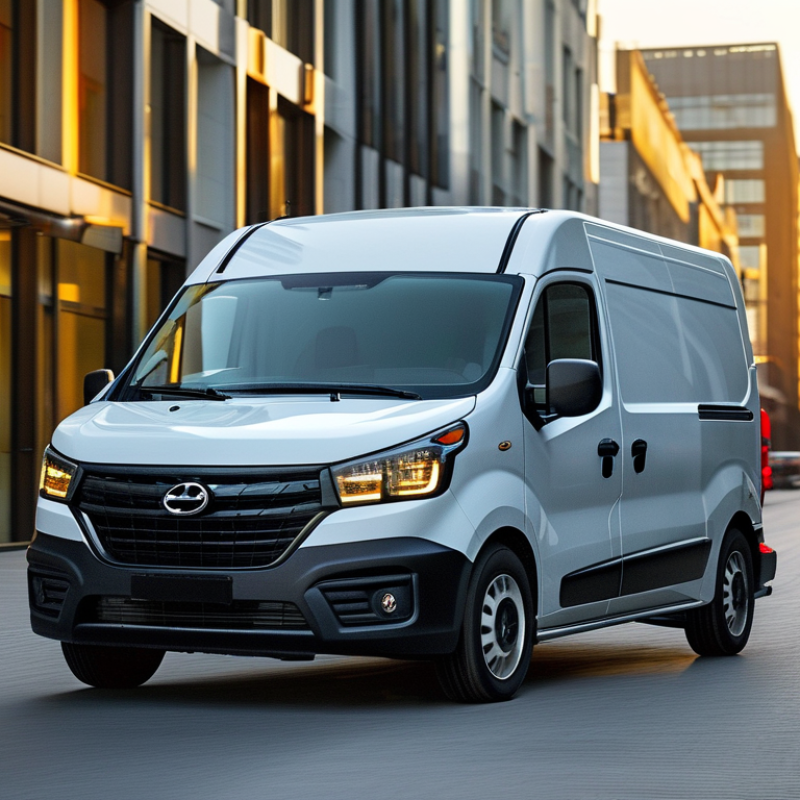
Understanding Your Business Requirements for a Light Van
Choosing the right light van for your business begins with understanding your specific needs. Some industries require larger payload capacities, while others prioritize fuel efficiency. According to a recent report by the Freight Transportation Association, choosing a van that aligns with your load type can increase overall operational efficiency by up to 30%.
Assess your daily operations. If you are transporting goods with varied dimensions, a van with adjustable shelving is beneficial. Furthermore, consider your route patterns. A vehicle suited for urban deliveries may differ from one designed for long-distance trips. Remember, the total cost of ownership includes fuel, insurance, and maintenance, which can vary greatly among models.
Tip: Always check the payload capacity. Small businesses often underestimate how important this is. A van that doesn’t meet your capacity needs can lead to costly delays. Another point to reflect on is how often your requirements change. If your business is growing, choose a van that offers scalability. Think about these factors carefully. Every decision can impact your success.
Choosing the Best Light Van for Your Business Needs
Key Specifications to Consider When Choosing a Light Van
When selecting a light van for your business, key specifications must be carefully considered. Start with cargo space. Analyze your products’ dimensions and weight to ensure the van can handle daily demands. Consider load capacity; not every van can carry heavy items efficiently. If transporting large packages, opt for a model designed for that need.
Fuel efficiency cannot be overlooked. A van that consumes less fuel reduces operating costs, directly impacting profit margins. Additionally, evaluate the vehicle's driving comfort. If employees will spend hours on the road, comfort becomes essential. Test drives can provide insights into this aspect.
Safety features play a pivotal role in decision-making. Look for modern safety technologies that reduce accident risks. Prioritize features like anti-lock brakes and traction control. However, remember that while safety is critical, a balance between safety, efficiency, and budget is necessary. Sometimes, the most feature-packed vehicle is not the best choice. Reflect on your unique business needs; it can lead to better long-term decisions.
Comparing Different Types of Light Vans for Various Industries
When selecting a light van for your business, understanding the unique needs of your industry is crucial. Different sectors require specific features, which can influence productivity and efficiency. For instance, if you're in delivery services, a van with ample cargo space and easy access is essential. On the other hand, tradespeople might focus on a vehicle that can accommodate tools and equipment securely.
Tips: Consider the payload capacity. Ensure it meets your workload demands without compromise. Efficiency often comes down to weight. A lighter van generally consumes less fuel, saving you money in the long run.
Industry-specific requirements shape the choice of a light van. For example, a catering business may benefit from vans equipped with refrigeration units. In contrast, an interior design service needs customizable storage solutions. Understanding these nuances can prevent mismatched purchases and long-term frustration.
Tips: Always test drive. Feel how the van handles under various conditions. Pay attention to comfort and visibility. A good driving experience can contribute greatly to daily operations. Remember, a perfect choice is often a blend of practicality and adaptability.
How to Choose the Best Light Van for Your Business Needs?
| Type of Light Van | Payload Capacity (kg) | Fuel Efficiency (L/100km) | Typical Use Cases | Average Cost (USD) |
| Panel Van | 1000 | 8 | Delivery Services, Tradespeople | 25,000 |
| Chassis Cab | 1200 | 10 | Construction, Landscaping | 30,000 |
| Crew Van | 800 | 9 | Service Industries, Mobile Teams | 28,000 |
| Minibus | 700 | 11 | Transportation Services, Shuttle Buses | 35,000 |
| Refrigerated Van | 900 | 12 | Food Delivery, Pharmaceuticals | 40,000 |
Budgeting for Your Light Van Purchase: Costs and Financing Options
When planning to purchase a light van, budgeting is crucial. Understand the overall costs involved beyond just the purchase price. Consider taxes, registration, and maintenance. These expenses can add up quickly, affecting your bottom line. Financing options also play a significant role. Explore leasing versus buying, and weigh the benefits.
Tips: Break down your budget to see where funds may be tight. Dig into monthly payments, interest rates, and loan terms. A clear picture helps you make informed choices. Keep extra funds set aside for unexpected repairs or upgrades.
Don't rush into financing decisions. Research various lenders and their offers. Compare interest rates and repayment plans. A poor financing choice could lead to financial strain. Focus on options that align with your budget without stretching it too thin. Always revisit your budget and make adjustments as needed based on your van's performance and your business growth.
Evaluating Additional Features and Customizations for Your Needs
Choosing the right light van for your business goes beyond simply considering the size and cargo capacity. Evaluating additional features and customization options is crucial. Think about what your specific needs are. For example, if you deliver fragile goods, consider adding shelving or padding. This can protect your items and improve efficiency.
Tips: Assess the layout of your van. A well-organized space can make loading and unloading easier. If you often travel long distances, think about features that enhance driver comfort, like ergonomic seats. It’s worth investing in fuel-efficient options too. These can significantly cut down on operational costs over time.
Customization is another important factor. Many vans allow you to install additional storage solutions or tech upgrades. Features such as navigation systems or backup cameras can increase safety. However, reflect on the costs versus the benefits. Sometimes, less expensive upgrades can lead to better outcomes. Choose features that truly serve your business interests.