2026 How to Choose the Best Stainless Steel Shot for Your Needs?
When selecting the right Stainless Steel Shot for your applications, several factors come into play. The quality of the shot influences both performance and results. A reliable stainless steel shot will enhance cleaning efficiency and surface finish. However, not every option suits every need. Understanding your specific requirements is crucial.
Different grades of stainless steel are available. Each variety has unique characteristics which may impact your choice. Durability, hardness, and size all matter. You might feel overwhelmed by the range of choices. It's essential to reflect on the specific task at hand and what is expected from your stainless steel shot.
Some may overlook the significance of proper selection. The consequences of choosing the wrong shot can lead to increased costs and inefficiencies. Therefore, having a good grasp of your needs and available options is vital for achieving successful outcomes. Pay attention to detail, as it matters significantly in this decision-making process.
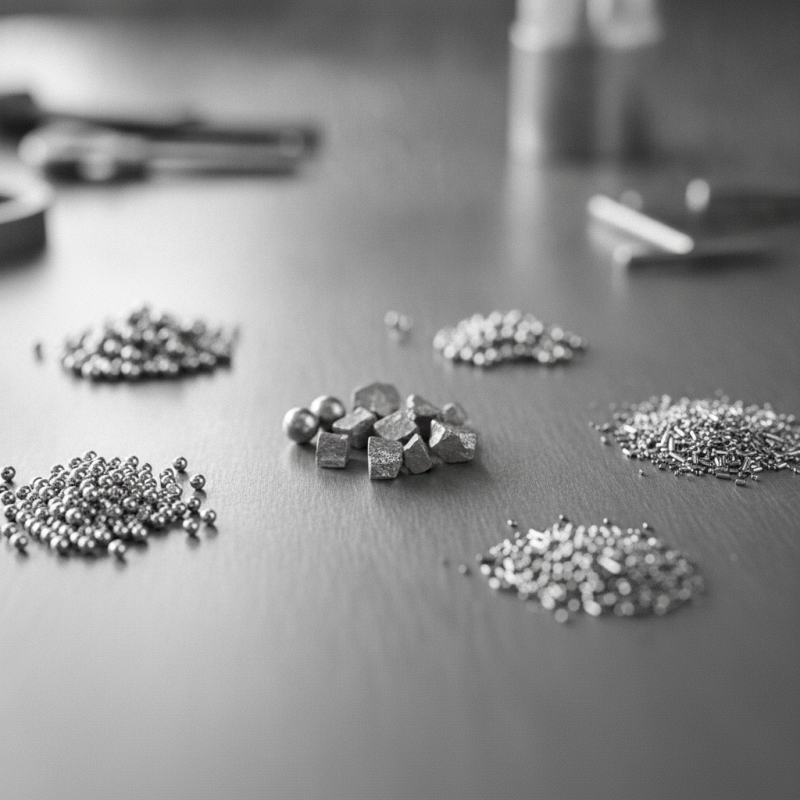
Understanding Different Types of Stainless Steel Shot Available
When selecting the best stainless steel shot, understanding the different types available is essential. Stainless steel shots are categorized mainly by their chemical composition and size. The most common types include Type 304 and Type 316. Type 304 is often used for general applications due to its excellent corrosion resistance. Type 316 offers enhanced durability, making it ideal for more corrosive environments. According to a report by the International Journal of Surface Science, the choice of type can significantly impact performance in various settings.
Size also plays a critical role in shot selection. The diameter of stainless steel shot typically ranges from 0.2 mm to 4.0 mm. Larger shots offer faster cleaning but can sometimes damage delicate surfaces. Meanwhile, smaller shots are gentler but may require longer processing times. Data from industry studies indicate that using the wrong size can lead to inefficient results and increased costs.
Tips: Always consider your application requirements before making a decision. Evaluate the surface material and desired finish. Testing different types and sizes can reveal unique insights into their performance. Keep in mind that not all stainless steel shots perform equally in various environments. Regularly reassessing your shot choice can lead to improved efficiency and effectiveness over time.
2026 How to Choose the Best Stainless Steel Shot for Your Needs?
| Type of Stainless Steel Shot | Typical Applications | Material Composition | Size Range (mm) | Advantages | Disadvantages |
| Austenitic Stainless Steel Shot | Sandblasting, Shot Peening | 18/8 or 304 | 0.25 - 4.0 | Excellent corrosion resistance | Lower strength compared to other types |
| Martensitic Stainless Steel Shot | Hardening applications, Surface finishing | 410, 420 | 0.5 - 5.0 | High strength and hardness | Prone to rust if not properly maintained |
| Duplex Stainless Steel Shot | High stress applications | 2205 | 0.75 - 6.0 | Balanced strength and corrosion resistance | Costlier than regular stainless steel |
| Ferritic Stainless Steel Shot | General polishing and cleaning | 430 | 0.5 - 3.0 | Good corrosion resistance and ductility | Low toughness and poor weldability |
Evaluating the Size and Shape Requirements for Your Application
When selecting stainless steel shot, understanding size and shape is crucial. Different applications require specific dimensions to function properly. For example, smaller shots are often used in precision work, while larger ones may be necessary for structural jobs. The right size minimizes waste and maximizes efficiency, so careful consideration is essential.
Shape also plays a vital role. Spherical shots offer uniform density and consistent performance. However, irregular shapes can provide unique benefits, such as better impact on specific materials. Evaluating the material you plan to process is necessary. Some shapes may work better with softer surfaces, while others are ideal for tougher materials. Balancing these factors is not always straightforward and may require a trial-and-error approach.
It's important to note that what works for one task might not suit another. This variability means investing time in testing various options. Gathering feedback from others in the field can also provide valuable insights. After all, optimizing your choice of stainless steel shot requires a thoughtful and informed strategy.
Assessing Hardness and Abrasiveness for Optimal Performance
When selecting stainless steel shot, hardness and abrasiveness play critical roles. Hardness impacts the shot's durability and resistance to deformation. For example, harder shots maintain their shape better during prolonged use. Abrasiveness determines how effectively the shot cleans surfaces or finishes materials. A balance between these two factors is essential for achieving optimal performance.
Testing the shot's hardness often involves using specific measuring tools. A Rockwell hardness tester is widely used in the industry. Values around 50-60 HRC are often desirable. However, choosing too hard of a material may lead to excessive wear on equipment. This is a key point of reflection.
Abrasiveness can vary based on the composition and manufacturing process. Some stainless steel shots produce finer finishes but may wear down more quickly. It's crucial to assess the job at hand. Do you need a gentle touch or aggressive cleaning? Each application has unique requirements that require careful consideration. Balancing these attributes is vital for achieving the desired results while ensuring equipment longevity.
2026 How to Choose the Best Stainless Steel Shot for Your Needs?
This chart illustrates the hardness and abrasiveness levels of different types of stainless steel shot. The data reflects the optimal performance characteristics required for various applications.
Comparing Cost and Quality of Various Stainless Steel Shot Brands
When selecting stainless steel shot, it’s essential to evaluate both cost and quality. Research indicates that stainless steel shot can enhance performance in various applications, from cleaning to shot peening. According to a 2021 industry analysis, quality stainless steel shot can improve efficiency by up to 30%. However, this often comes at a higher price point. Buyers must weigh these factors carefully.
Different brands offer various compositions and sizes of stainless steel shot. The size impacts the effectiveness on surfaces and the type of equipment used. A 2019 market report revealed that larger shot sizes might lead to quicker cleaning times, but can cause more wear on equipment. Consider your specific needs and budget before choosing.
Tips: Always analyze the composition of the shot. Check for certifications from testing organizations. A higher initial cost might yield better durability and lower long-term costs.
Additionally, some users report that cheaper alternatives could result in inconsistent performance. They recommend conducting small tests before committing to larger orders. Make informed decisions by comparing data from multiple sources to ensure reliability.
Identifying Safety and Environmental Standards for Steel Shot Usage
When selecting stainless steel shot for a specific application, safety and environmental standards must take precedence. According to a 2022 industry report, steel shot production should adhere to guidelines that reduce harmful emissions and ensure worker safety. Meeting these standards not only protects health but also enhances the sustainability of operations.
Tips for ensuring compliance: Regularly review local safety regulations to stay informed. Implement appropriate safety protocols in your facility. Monitor the composition of your steel shot to ensure it meets environmental criteria.
Moreover, many manufacturers struggle to balance performance and compliance. Some may use materials that do not meet safety standards, risking both health and environmental damage. It is essential to demand transparency about the sourcing and production methods of steel shot. Third-party certifications can provide reliable assurance of compliance.
Tips for verification: Request documentation on safety and environmental standards from your supplier. Consider conducting independent tests if standards are unclear. Engage with industry experts to understand the latest compliance trends.