How to Choose the Right AC Electric Motor for Your Needs?
Choosing the right Ac Electric Motor is crucial for your project. With various options available, it can be overwhelming. Each motor type serves a different purpose. Understanding your specific needs is key.
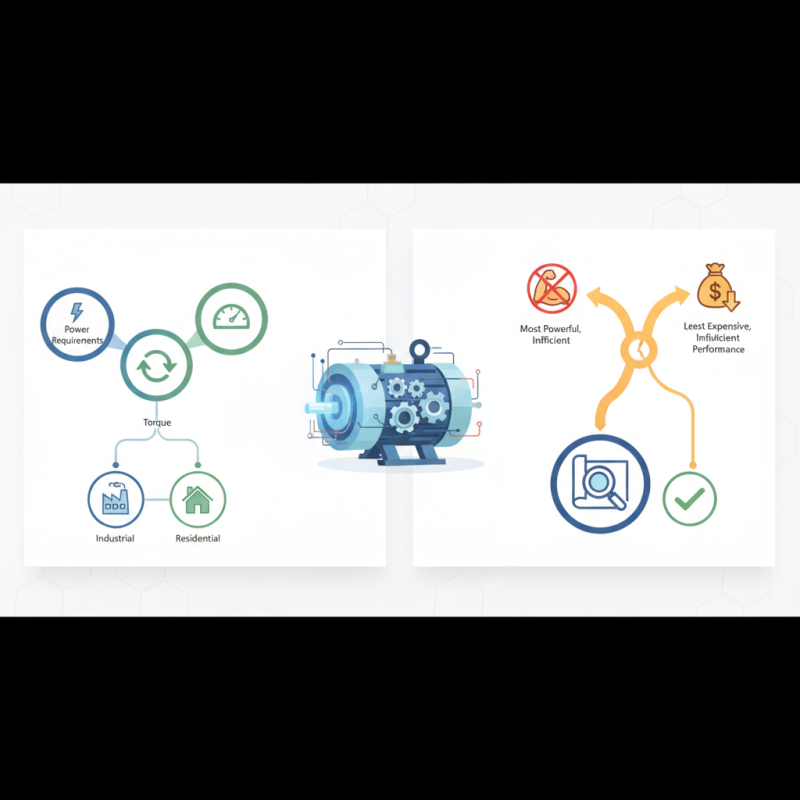
AC electric motors are known for their efficiency and reliability. They are widely used in various applications, from industrial to residential. The selection process involves several factors, including power requirements, speed, and torque.
It can be tempting to opt for the most powerful or the least expensive model. But this may lead to inefficiency or insufficient performance. A thoughtful consideration of your application will lead to better results. Explore your options carefully and avoid common pitfalls to ensure you make an informed choice.
Understanding the Basics of AC Electric Motors
When selecting an AC electric motor, understanding the basics is crucial. AC motors are divided into two primary types: synchronous and induction. Synchronous motors operate at a constant speed. They require an external power source for magnetism. Induction motors are more commonly used; they rely on electromagnetic induction. This makes them simpler and less expensive.
It's important to consider your application's requirements. Factors like torque, speed, and efficiency play a significant role in your choice. Applications vary widely—from fans to conveyor systems. Each use case demands different specifications. A mismatch can lead to inefficiency or even equipment failure.
Pay attention to the motor's environment. Factors such as temperature and humidity can impact performance. Additionally, noise levels may be important in residential areas. An ideal motor should operate smoothly, without excessive vibration or sound. Reflect on your specific needs to select the best option for your situation. Balancing cost and performance is key. Every decision has trade-offs; evaluating these can lead to better choices.
How to Choose the Right AC Electric Motor for Your Needs?
| Motor Type | Horsepower (HP) | Voltage (V) | Phase | Efficiency (%) |
| Induction Motor | 5 | 230 | Single | 85 |
| Synchronous Motor | 10 | 400 | Three | 90 |
| Universal Motor | 2 | 120 | Single | 75 |
| Capacitor Start Motor | 3 | 240 | Single | 82 |
| Double Shaft Motor | 15 | 480 | Three | 88 |
Identifying Your Specific Application Requirements
Choosing the right AC electric motor starts with understanding your specific application requirements. Every project is unique. Factors like load type, duty cycle, and environment play critical roles. Identify if your application requires constant torque or variable speed. This clarity lays a solid foundation for decision-making.
Consider the operating environment. Is it humid or dust-laden? Ensure the motor's construction can withstand these conditions. Think about the available power supply. Motors vary in voltage and phase requirements. This influences compatibility with existing systems. Reflect on maintenance needs. Some motors may demand more attention, impacting long-term costs and convenience.
Consulting industry experts can provide valuable insights. They have hands-on experience and know the nuances of motor selection. However, the best choice often depends on trial and error. Don't hesitate to adjust your criteria as you collect more data. Each application may require tweaking, revealing the importance of flexibility in your selection process.
Evaluating Motor Specifications and Features
When selecting an AC electric motor, it’s essential to evaluate specific motor specifications and features. Key factors include horsepower, voltage, and speed. Understanding these metrics can ensure the motor meets your performance needs. For example, a report from the Electric Motor Solutions Association (EMSA) highlights that choosing the correct horsepower can influence efficiency by as much as 20%. Selecting a motor that aligns well with the desired voltage can also prevent unnecessary energy losses.
Another important feature is the motor's speed. Motors typically operate at a constant speed, measured in RPM. According to the National Electric Manufacturers Association (NEMA), knowing the required RPM helps in optimizing operational efficiency. Motors running at improper RPMs may lead to overheating and reduced lifespan. Additionally, consider the duty cycle, which defines how often a motor can operate at its rated load within a specific time. Selecting a motor compatible with your usage patterns may prevent premature failures.
While specifications are critical, users must also reflect on their application environment. Factors such as ambient temperature, humidity, and dust levels can severely affect motor performance. A study published in the Journal of Electrical Engineering indicates that motors exposed to harsh conditions can experience up to a 30% reduction in efficiency. Therefore, it’s crucial to assess environmental factors alongside technical specifications to ensure the motor operates reliably over time.
Comparing Different Types of AC Electric Motors
When selecting an AC electric motor, understanding the types available is crucial. The two main types are synchronous and asynchronous motors. Synchronous motors operate at a constant speed, ideal for applications needing precise timing. In contrast, asynchronous motors, which are the most common, can handle varying loads efficiently. They are robust and versatile, often used in industrial settings.
Another key factor is the motor's size and power requirements. A motor too small may lead to overheating or failure. Conversely, an oversized motor could waste energy and increase costs. Additionally, consider the operating environment. Motors in dusty or wet conditions require specific protection. Each situation demands careful reflection on the required motor specifications.
While comparing motor types and their functions, challenges may arise. For instance, balancing efficiency with cost is not straightforward. Sometimes, a cheaper option might not last as long. Maintenance needs can also vary greatly between motor types. Reflecting on these aspects helps in making an informed choice tailored to specific applications.
Assessing Energy Efficiency and Cost Considerations
When selecting an AC electric motor, energy efficiency is paramount. A motor's efficiency affects operating costs directly. A high-efficiency motor consumes less electricity, which can lead to significant savings over time. Look for motors rated by their efficiency class. This can help assess performance compared to competitors in a similar category.
Cost considerations also play a significant role. The initial price of a motor can be misleading. A cheaper motor may incur higher electricity bills and maintenance costs. It’s essential to analyze the total cost of ownership. This includes the purchase price, energy consumption, and potential repair expenses. While investing more upfront can feel challenging, long-term benefits often outweigh initial costs.
Reflect on your operational needs. Do you require consistent performance? Or are energy savings your priority? Every application is unique. Sometimes, it can be tempting to choose the most affordable option available. However, this may not always yield the best results. Take the time to evaluate different motors critically. Balancing efficiency and costs will ultimately lead to a more satisfying and reliable investment.