How to Choose the Right Aluminum Extrusion Profile for Your Needs?
Choosing the right Aluminum Extrusion Profile can be a complex task. According to industry expert John Smith, “Selecting an extrusion profile often defines the success of your project.” This highlights the importance of making informed decisions. The right profile affects strength, flexibility, and overall functionality.
When evaluating Aluminum Extrusion Profiles, consider your specific needs. Projects require different specifications. A profile meant for structural support can differ greatly from one designed for aesthetic purposes. Be mindful of the dimensions and weight capacities needed for your applications.
Understanding the materials and manufacturing methods is crucial. Different alloys offer unique properties. Additionally, the complexity of the design can influence costs and timelines. While options abound, not every choice may suit your project. Reflect on long-term goals and potential challenges when selecting your profile. Making a hasty decision could lead to issues down the line.
Understanding Aluminum Extrusion Profiles and Their Applications
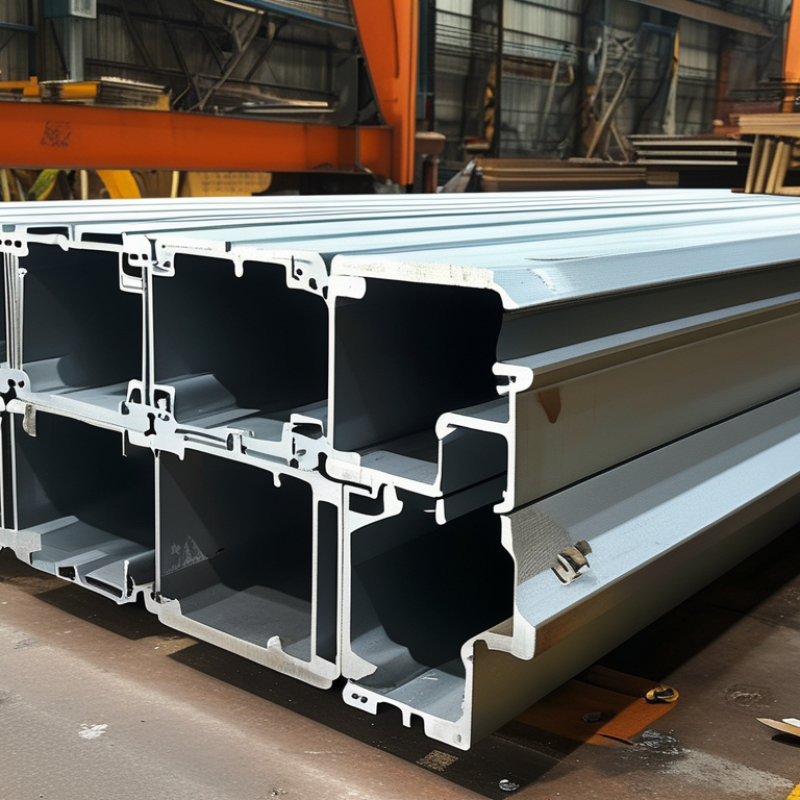
Aluminum extrusion profiles are essential in various industries. These profiles are created by pushing aluminum through a die, resulting in a specific cross-sectional shape. This process allows flexibility in design, making aluminum suitable for many applications, such as construction, automotive, and consumer goods.
Understanding the different profiles is crucial for effective application. For instance, T-slot profiles are popular for building frameworks. They offer strong structural support while allowing easy assembly. Meanwhile, round and square tubes can be used for everything from furniture to industrial equipment. It's imperative to consider the load-bearing capacity and environmental factors when selecting a profile.
Sometimes, the best choice isn't immediately clear. Testing different profiles can reveal unexpected results. Engaging with experienced manufacturers can provide insights into the most suitable options. Don't hesitate to explore various shapes and materials based on specific requirements. The right profile leads to optimal performance but requires careful thought and experimentation.
How to Choose the Right Aluminum Extrusion Profile for Your Needs?
| Profile Type | Common Applications | Dimensions (mm) | Weight (kg/m) | Key Features |
| T-Slot | Modular framing, machine guards | 20 x 20 | 0.65 | Versatile and easy to assemble |
| Square Tube | Structural frames, support structures | 30 x 30 | 1.45 | High rigidity and strength |
| Channel | Industrial shelving, racks | 40 x 20 | 1.10 | Excellent load-bearing capability |
| Angle | Bracing, corner brackets | 25 x 25 | 0.91 | Provides support in two directions |
| Flat Bar | Trim, fixing strips | 10 x 3 | 0.25 | Simple design, easy to work with |
Identifying Your Specific Requirements for Aluminum Profiles
Choosing the right aluminum extrusion profile starts with understanding your specific needs. Think about the application. Are you creating a framework for a structure, or are you designing parts for automotive use? Each scenario requires different properties. Load capacity, corrosion resistance, and thermal conductivity greatly affect your decision.
Next, consider the dimensions. The width and height of the profile are crucial. A profile that is too large may add unnecessary weight. Conversely, a smaller profile may not meet strength requirements. Think about the production method as well. Will you require custom extrusions or standard sizes? Custom options can be more expensive and time-consuming.
Finally, evaluate the finish. An anodized finish can enhance durability. However, consider if this aligns with your budget and timeline. It's essential to weigh the benefits against potential compromises. Reflecting on these factors will guide you toward a suitable choice.
Evaluating Strength, Weight, and Durability of Different Profiles
Choosing the right aluminum extrusion profile requires careful evaluation of strength, weight, and durability. Aluminum profiles vary significantly in these aspects. According to industry reports, the tensile strength of 6061 aluminum, a commonly used alloy, can reach around 310 MPa. This makes it suitable for structural applications requiring strength.
Weight is another crucial factor. Aluminum is lightweight, allowing for easy handling and transportation. For instance, a standard aluminum profile may weigh about 2.7 grams per cubic centimeter. When weight limits are an issue, selecting thinner profiles can help without sacrificing performance.
Tips: Consider the application environment. Some profiles may corrode in certain conditions. Choose anodized aluminum for enhanced durability. Look at lifespan data as well—profiles can last over 30 years with proper treatment.
Finally, understand that not all profiles are created equal. Sometimes, the ideal profile for your needs may involve trade-offs. A profile that is lighter might lack the necessary strength. Reflecting on these factors is vital in making a well-informed decision. Selecting the right profile is more than just numbers; it’s about fitting your specific needs.
Choosing the Right Finish and Surface Treatment for Aesthetic Needs
When selecting aluminum extrusion profiles, finishes and surface treatments play a significant role in achieving desired aesthetics. The right finish can enhance the appearance of a structure significantly. Options like anodizing or powder coating offer both beauty and protection. Anodizing adds durability and resistance to corrosion, while powder coating provides a broad range of colors and textures.
Aesthetics can deeply impact a project. Consider how light interacts with different surface treatments. Smooth finishes might create a sleek, modern look, while textured surfaces can evoke a sense of warmth and depth. Always keep in mind the potential for imperfections. Scratches, dust, and uneven coatings can detract from overall appeal.
Reflect on the context of your design. Does the finish align with the vision? Does it fit the surrounding environment? Balancing aesthetics with practical concerns ensures that your aluminum extrusion not only looks good but performs well too. Each choice leads to different outcomes in durability and emotional response. Aim for a finish that not just meets requirements but inspires.
Budget Considerations and Sourcing Options for Aluminum Extrusions
When selecting aluminum extrusion profiles, budget considerations can play a significant role. Prices can vary greatly based on the complexity of the design and profile size. It's crucial to keep in mind the overall project budget. Depending on your needs, lower-cost options might suffice. However, investing in a higher-quality extrusion can pay off in durability and performance over time.
Each sourcing option has its pros and cons. Local suppliers might offer quicker delivery times, but online manufacturers can provide a wider selection. Always consider the cost of shipping. Sometimes what seems like a bargain may not be affordable once you factor in transportation fees.
Tips:
Check for bulk discount options to save money.
Request samples to evaluate quality before purchasing.
Always compare multiple quotes to find the best deal that meets your standards.
Understand the importance of your choices. Evaluate whether a lower cost translates to lower quality. Quality and cost should align with your project requirements. This balance can lead to better results and fewer regrets down the line.
Choosing the Right Aluminum Extrusion Profile: Budget Considerations
This chart illustrates the average cost per meter for various aluminum extrusion profiles based on different applications. Understanding these costs can help in selecting the right profile for specific needs.