
Automated Dispensing Robot Videos
A World of Robotic Dispensing and Assembly SolutionsHow to Choose the Right Fuel Pump for Your Vehicle
Choosing the right Fuel Pump is about matching the part to your vehicle, not simply finding the lowest price. The pump must deliver the fuel pressure and flow your engine requires. A mismatch can cause hard starting, hesitation, or poor performance. These symptoms can also come from other faults, so they do not prove the pump is failing. A careful diagnosis matters.
Start with your vehicle’s year, make, model, engine, and fuel system. Check the owner’s manual or a reliable parts catalog, then confirm the pump’s fitment, pressure rating, electrical connector, and mounting style. Some vehicles use an in-tank assembly with a level sensor; others may have a different setup. Small details matter. Compare reputable brands, warranty terms, and installation requirements, rather than relying on appearance alone. It is easy to overlook a connector difference when two pumps look nearly identical. I would verify the part number twice before ordering, especially for vehicles with multiple engine options. If specifications are unclear, ask a qualified technician or parts specialist to check them. This guide will explain the key compatibility factors, common warning signs, and practical checks that help you choose with confidence—without assuming every starting problem points to the pump.
Understand the Fuel Pump’s Role in the Vehicle
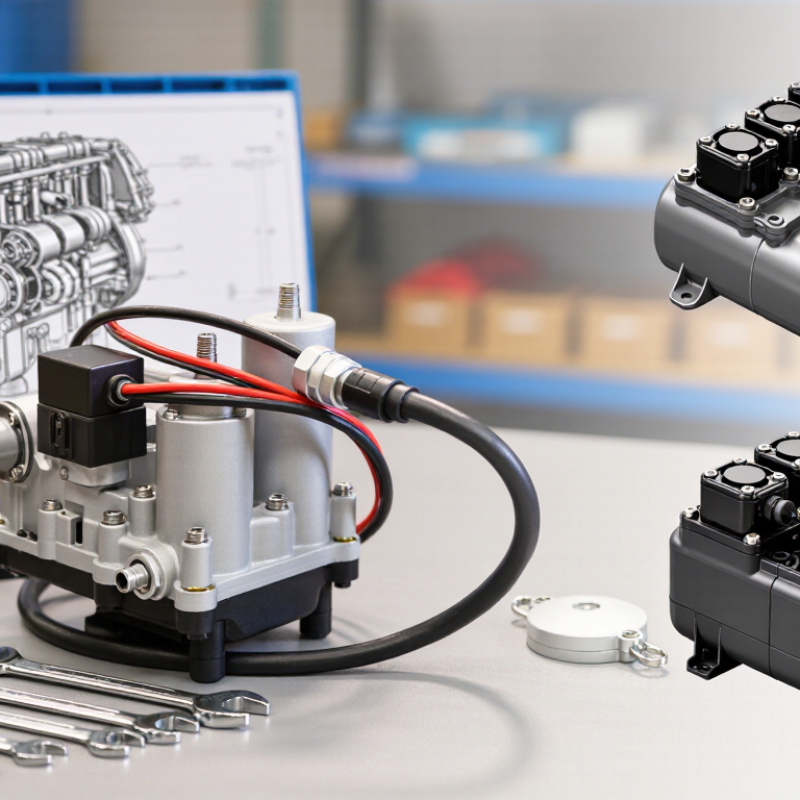
A fuel pump moves fuel from the tank to the engine and maintains the pressure the engine needs. In many vehicles, an electric pump sits inside the tank, where fuel also helps cool it. The pump must deliver a steady supply, whether the engine is idling at a stoplight or accelerating onto a highway. That pressure matters. Too little can cause hard starts, hesitation, or stalling; too much can disrupt fuel delivery. These symptoms can have other causes, so they do not prove the pump has failed.
Tips: Check your owner’s manual for the required pressure and pump type. A repair shop can measure fuel pressure and compare it with the vehicle’s specifications. Listen for changes, but don’t diagnose by sound alone.
When choosing a replacement, match the pump to the vehicle’s engine, model year, and fuel system. Flow capacity, pressure rating, electrical connector, and voltage all matter. A pump that physically fits may still deliver the wrong pressure. It is easy to focus on the part itself and overlook the wiring or a clogged filter, which can affect performance too. Confirm the full system requirements before buying, and have a qualified technician verify compatibility when specifications are unclear.
How to Choose the Right Fuel Pump for Your Vehicle — Understand the Fuel Pump’s Role in the Vehicle
| Topic | What It Means | What to Check When Choosing | Why It Matters |
|---|---|---|---|
| The fuel pump’s role | Moves fuel from the tank to the engine at the pressure and flow rate required by the fuel system. | Confirm the replacement is intended for the vehicle’s engine and fuel-delivery system. | Insufficient or excessive fuel delivery can affect starting, engine operation, and fuel-system performance. |
| Fuel-system type | Vehicles may use port fuel injection, direct injection, or a carbureted system. Some direct-injection systems use both a low-pressure supply pump and a high-pressure pump. | Identify the system from the vehicle’s service information; do not assume pumps are interchangeable. | Different systems require different pump designs, operating pressures, and installation arrangements. |
| Pump location and design | Many modern vehicles use an electric pump inside the fuel tank. Some applications use an external electric pump; older carbureted vehicles may use an engine-driven mechanical pump. | Match the original pump’s location, mounting, connections, and electrical or mechanical setup. | A pump with the wrong design may not fit or connect correctly and may not deliver fuel as intended. |
| Required pressure | Fuel pressure is specified by the vehicle manufacturer and varies by system and application. | Use the vehicle’s service specifications or a verified fitment reference. Compare the specified pressure with the pump’s rated operating range. | A generic pressure value is not suitable for every vehicle; incorrect pressure can cause poor running or damage to system components. |
| Required flow rate | Flow rate describes how much fuel a pump can deliver under stated test conditions, usually at a specified pressure and voltage. | Check the required flow and the conditions used for the pump’s rating. Use a properly engineered upgrade if the engine has been modified. | A pump’s free-flow rating alone does not show how much fuel it will deliver at the vehicle’s operating pressure. |
| Electrical requirements | Electric pumps depend on correct voltage, wiring, grounding, connectors, and circuit protection. | Verify connector compatibility and follow the vehicle’s wiring specifications. Inspect the relay, fuse, wiring, and ground during diagnosis. | Voltage drop or a faulty circuit can reduce pump output and may be mistaken for a failed pump. |
| Fuel compatibility | Pump materials and seals must be suitable for the fuel used by the vehicle. | Check the pump documentation for compatibility with the vehicle’s approved fuel and any permitted ethanol content. | Incompatible materials can deteriorate and lead to leaks or premature failure. |
| Complete assembly and fitment | An in-tank module may include the pump, filter or strainer, fuel-level sender, housing, and electrical connections. | Confirm whether the vehicle requires a pump only or a complete module, and verify the exact application using vehicle identification and service data. | Correct fitment helps ensure proper installation, fuel-level readings, sealing, and reliable operation. |
| Symptoms and diagnosis | Hard starting, stalling, loss of power, or unusual pump noise can have causes other than the pump. | Before replacement, check for diagnostic trouble codes, fuel pressure, fuel delivery, wiring faults, a restricted filter, and other relevant system issues. | Testing can identify the actual fault and help avoid replacing a functioning component. |
| Installation and safety | Fuel is flammable, and fuel systems may retain pressure after the engine is switched off. | Follow the vehicle-specific service procedure, relieve pressure as directed, use suitable safety precautions, and check carefully for leaks after installation. | Proper handling and installation reduce the risk of fire, injury, and fuel leakage. |
Selection rule: Choose a pump that matches the vehicle’s exact application and manufacturer specifications for system type, pressure, flow, fitment, and fuel compatibility. Specifications vary by vehicle, so consult reliable service information before purchasing or installing a replacement.