How to Choose the Right Shale Shaker Screen for Your Needs?
Choosing the right shale shaker screen is crucial for effective oil and gas drilling operations. Industry expert John Doe once stated, "A good shale shaker screen can make all the difference in fluid management." The effectiveness of a shale shaker screen directly impacts the quality of the drilling process.
Selecting a screen involves many factors. It's not just about the mesh size. Consider the type of drilling mud and the specific solids you need to separate. Each project has unique challenges. For example, a high viscosity mud may require a different screen compared to lower viscosity fluids.
There are many options available, and it's easy to feel overwhelmed. Quality should not be sacrificed for cost. A lower-priced screen might lead to more problems later. Small details matter; even a minor flaw can reduce efficiency. Reflection on past choices can also provide insights. Have previous selections performed well? What can be improved in this decision? Understanding these aspects will lead to better outcomes in drilling operations.
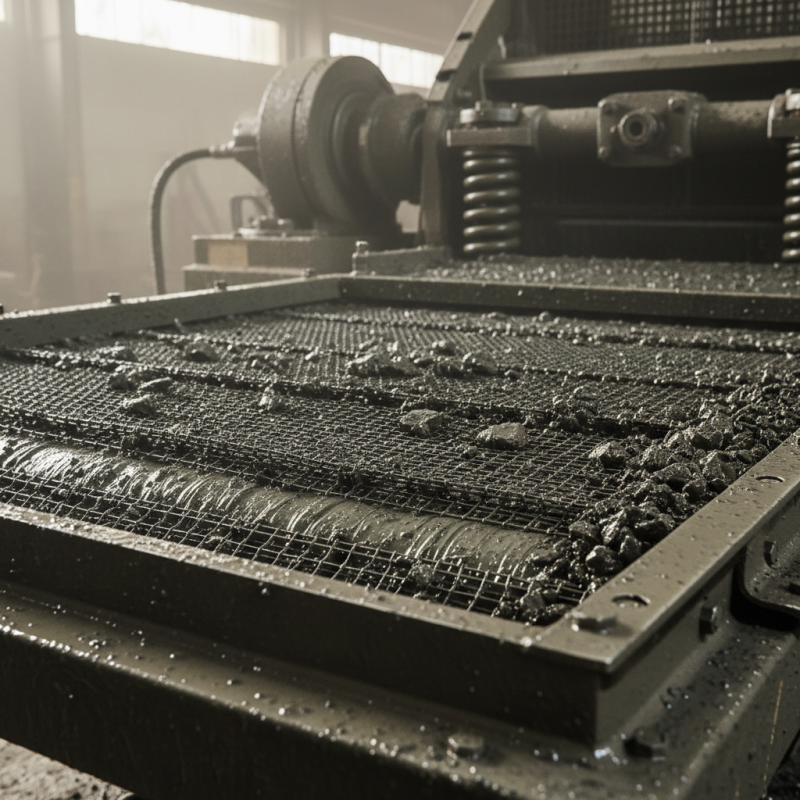
Understanding the Importance of Shale Shaker Screens in Drilling
In drilling operations, shale shaker screens play a critical role. They separate solids from drilling mud. The effectiveness of these screens directly impacts the performance of the entire drilling process. A well-functioning shaker screen reduces downtime and enhances efficiency. Poorly chosen screens can lead to costly operational issues.
Understanding the specifications is key. For example, mesh size affects how effectively solids are removed. A screen too fine may clog, while one too coarse won't filter effectively. It’s important to consider the type of drilling being done. Different formations produce varying solid sizes. A mismatch can hinder productivity and increase expenses.
It's vital to monitor screen performance regularly. A drop in output could signal the need for a change. Many overlook this until it’s too late. Adjusting to the right screen can lead to better fluid recovery. Don't underestimate the impact of the right choice. Each drilling scenario brings unique challenges that require thoughtful consideration.
Key Factors to Consider When Selecting Shale Shaker Screens
Choosing the right shale shaker screen is crucial for effective drilling operations. Several factors must be considered. First, the mesh size plays a significant role. A finer mesh captures smaller particles. However, it may clog more quickly. A coarser mesh allows better fluid flow but might let undesirable solids pass through.
Next, consider the material of the screen. Screens can be made from various materials like steel or composite. Each has different durability and cost implications. Steel screens are robust, yet they can be heavy. Composite screens offer lightweight options but may not last as long. Balancing durability and weight is essential.
Lastly, evaluate the screen's design and surface texture. Some screens have a perforated design. Others may have a woven fabric structure. Different designs affect separation efficiency. Testing various options can lead to unexpected findings. Keep in mind; what works in one scenario may not suit another. Continuously reviewing your choices will help refine your selections over time.
Types of Shale Shaker Screens and Their Applications
When selecting a shale shaker screen, understanding the types available is crucial. There are generally three main types: woven mesh screens, perforated plates, and composite screens. Woven mesh screens are popular for their versatility. They can be used in various drilling applications. However, their maintenance can be challenging. Perforated plates are known for their durability, handling larger volumes of material. They can be heavier, which may complicate handling.
Composite screens bridge the gap between woven and perforated options. They offer the benefits of both types, yet may not always be the best fit for every job. For instance, they can be more costly. The application also plays a critical role in screen selection. Consider fluid viscosity and particle size. A screen that works well in one scenario might fail in another.
In addition to screen type, mesh size and deck configuration are essential. A finer mesh can catch smaller particles but may lead to faster blinding. Coarser mesh allows for better flow but might miss finer materials. Finding the right balance is a thoughtful process. Each drilling operation has unique needs, so reflection on specific requirements is necessary. Choosing the right screen involves both technical knowledge and practical experience.
Shale Shaker Screen Types and Their Applications
This chart illustrates the different types of shale shaker screens and their corresponding opening sizes in microns. Each type serves a distinct purpose in the drilling and separation process, optimizing performance based on specific needs.
Evaluating Screen Mesh Size and Its Impact on Performance
When selecting a shale shaker screen, evaluating screen mesh size is crucial. The mesh size directly affects the screen's ability to separate solids from liquids. A finer mesh can capture smaller particles, which can improve overall performance. However, too fine a mesh may lead to operational issues, such as screen blinding.
Tips: Consider the type of material being processed. Different materials may require different mesh sizes. Always test a few options to find the best fit for your specific application.
It's important to recognize that there is no one-size-fits-all solution. What works well for one operation may not work for another. Regular assessments of performance and maintenance practices are essential. This ensures that you achieve optimal results over time.
Tips: Keep an eye on the frequency of replacement. Screens degrade with use. Knowing when to change them can prevent costly downtimes. Regular checks can save time and money in the long run.
How to Choose the Right Shale Shaker Screen for Your Needs?
| Screen Mesh Size | Application Type | Liquid Flow Rate (GPM) | Solids Removal Efficiency (%) | Recommended Usage |
| 200 Mesh | Water-Based Mud | 200-300 | 85 | General Drilling Operations |
| 325 Mesh | Oil-Based Mud | 150-250 | 90 | High Solids Content |
| 400 Mesh | Water-Based and Oil-Based Mud | 100-200 | 95 | Tight Hole Conditions |
| 500 Mesh | Specialized Applications | 50-150 | 99 | Fine Particle Removal |
Maintaining and Investing in Quality Shale Shaker Screens for Longevity
Maintaining high-quality shale shaker screens is crucial for efficient operation. The right screen can enhance performance and reduce downtime. Investing in durable materials pays off in the long run. Remember, a quality screen is not just about price but also its longevity in harsh conditions.
To ensure their lifespan, regular maintenance is key. A simple cleaning routine can prevent build-up that may reduce screen effectiveness. Inspect for wear and tear often. Early detection can save costs down the line.
**Tips:** Use a soft brush for cleaning. Avoid abrasive materials that could damage the screen surface. When in doubt, consult a professional for maintenance advice. Keeping a maintenance log can help track screen performance over time.