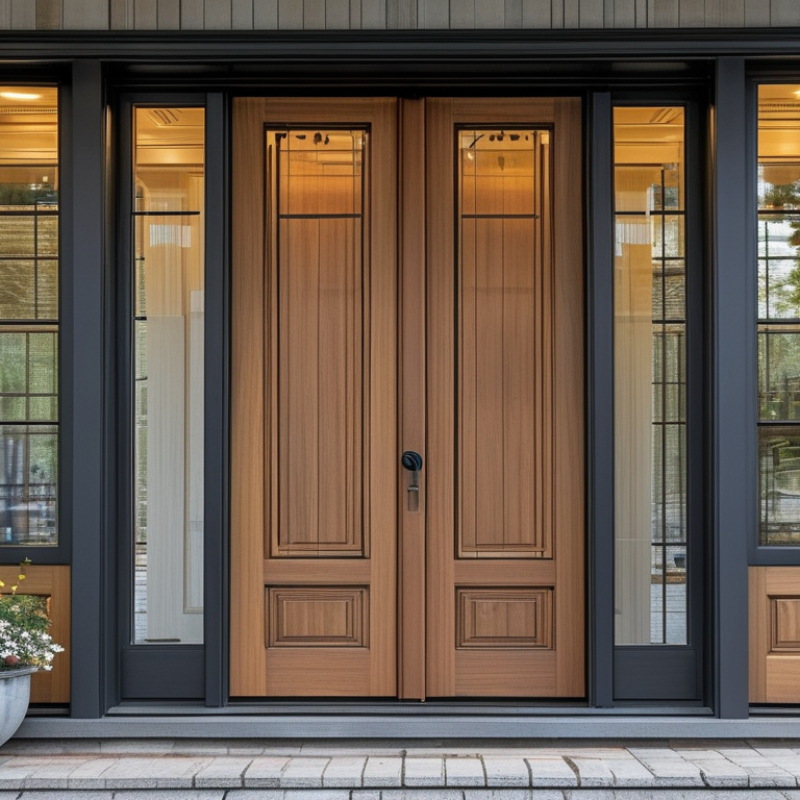
How to Choose the Right Spring Door for Your Home?
Choosing the right Spring Door for your home is crucial. A study by the National Association of Home Builders indicates that doors significantly impact a home's curb appeal and energy efficiency. A well-selected Spring Door can enhance both visibility and accessibility.
Spring Doors come in various materials, styles, and functionalities. The decision often involves trade-offs. For example, while wooden doors offer beauty, they require more maintenance than fiberglass. Additionally, a report by the Door and Frame Manufacturers Association reveals that the correct choice can save homeowners up to 30% in heating costs.
Despite these benefits, many homeowners overlook potential issues. Spring Door installations may have hidden costs. Budget constraints can lead to poor choices that affect long-term value. Understanding the balance between aesthetics and practicality is essential for making an informed decision.
How Spring Door Mechanics Influence Security and Insulation Levels
Choosing the right spring door for your home involves more than aesthetics. Spring doors have unique mechanics that directly impact both security and insulation. The tension in the springs affects how tightly the door seals. A well-maintained door can enhance energy efficiency by keeping drafts out.
Tip: Regularly inspect your spring mechanisms. Ensure they are lubricated and functioning properly. A malfunction can lead to weak seals, compromising insulation.
Security is another crucial factor. Quality spring doors deter unauthorized entry. The strength of the materials and the effectiveness of the spring mechanism make a significant difference. Over time, springs can wear out or lose tension. This wear can lead to vulnerabilities in your door’s security.
Tip: Consider reinforced spring options. They may offer better resistance against forced entry and enhance the overall durability of your door.
When selecting a spring door, think about these mechanics. An investment in quality means better insulation and security. It’s worth it to evaluate your options carefully. Reflect on what features matter most for your home.
Understanding Different Types of Spring Doors and Their Applications
When selecting a spring door, understanding the various types is crucial. Rolling spring doors are popular in commercial applications. They feature a compact design and can easily fit into tight spaces. According to the International Door Association, these doors can be opened and closed over 10,000 times without significant wear. This makes them ideal for high-traffic areas.
In contrast, hinged spring doors are excellent for residential use. They offer versatility in terms of aesthetics and ease of operation. A report from the Door & Access Systems Manufacturers Association notes that these doors can contribute to energy efficiency, especially when insulated correctly. Proper insulation can reduce heating and cooling costs by up to 15%.
However, selecting the wrong type might lead to issues. Improper installation can result in malfunctioning spring mechanisms. A door that is too heavy may strain the springs, leading to premature failure. Regular maintenance is essential for all types of spring doors to ensure longevity and functionality. No door system is flawless; careful consideration is needed for optimal performance.
How to Choose the Right Spring Door for Your Home? - Understanding Different Types of Spring Doors and Their Applications
| Type of Spring Door | Material | Typical Applications | Advantages | Disadvantages |
| Extension Spring Door | Steel | Garages, Storage Rooms | Cost-effective, Simple Mechanism | Limited weight capacity |
| Torsion Spring Door | Steel, Aluminum | Garages, Warehouses | Smooth operation, Longer lifespan | Higher installation cost |
| Single Spring Door | Wood, PVC | Interior Rooms, Entrances | Aesthetic Appeal, Insulation | Can be heavy, Risk of warping |
| Heavy-Duty Spring Door | Steel | Industrial Applications | High durability, Designed for heavy use | Expensive, Requires professional installation |
Key Factors to Consider When Selecting the Right Material for Spring Doors
When selecting the right material for spring doors, consider durability and maintenance. Different materials offer various strengths. For instance, steel doors are tough and weather-resistant. They can withstand impacts, making them suitable for heavy usage. However, they can rust if the paint erodes. Regular inspection and touch-ups can mitigate this issue.
Wood doors provide a classic aesthetic but require more care. They can warp or swell in humid conditions. This can affect their operation and appearance. Selecting a high-quality sealant can enhance their longevity. If you prefer a modern look, fiberglass doors are an excellent choice. They replicate the appearance of wood but are less prone to damage. Still, some may find them less appealing.
Aesthetic appeal matters, too. The door's color and design should complement your home. Consider the architectural style and overall theme. Functionality is also key. Ensure the door meets your security needs. Test how easily it opens and closes. Gathering insights from experts can provide additional clarity on the best material for your specific circumstances.
Analyzing Cost-Benefit Ratios of Various Spring Door Options
When selecting a spring door for your home, it’s crucial to analyze the cost-benefit ratios. Different options are available. Some doors may come with a higher initial cost but offer better durability and energy efficiency. For instance, investing in a well-insulated spring door can reduce energy bills over time. Evaluate what features are most important to you.
Consider maintenance costs as well. Some doors require more frequent repairs or replacement parts, potentially adding to overall expenses. On the flip side, a less expensive door may need to be replaced sooner, leading to higher long-term costs. Think about the climate in your area as well. Certain materials perform better in varying weather conditions.
Don’t forget aesthetics. Aesthetically pleasing choices can enhance your curb appeal, but might come with a premium price. Balance functionality with style. Reflect on the features that matter most to you, whether it is security, energy efficiency, or visual appeal. This analysis may help pinpoint the right spring door for your home.
Installation Tips for Maximizing the Performance of Spring Doors
Choosing the right spring door involves careful consideration. Proper installation plays a crucial role in how well these doors perform. Start by ensuring your door frame is level and square. This step is essential for smooth operation. If the frame is misaligned, it can lead to poor sealing and increased wear on the door.
When installing, pay attention to the tension of the springs. Too much tension can make the door difficult to open. Conversely, too little tension may leave the door sagging. It’s a balancing act. Secure all screws tightly, but don't overtighten. This can cause damage or make adjustments harder later.
Consider weather stripping and seals as well. These materials help with insulation and can save on energy costs. Proper sealing keeps drafts out and maintains your home's temperature. If gaps form, revisit your installation. Adjusting the door frame might be necessary to achieve a perfect fit. Always prioritize performance to avoid future inconveniences.