How to Choose the Right Water Pump Casing for Your Needs?
Selecting the right water pump casing is critical for any project. The casing plays a vital role in efficiency and durability. Understanding the different materials and designs is essential.
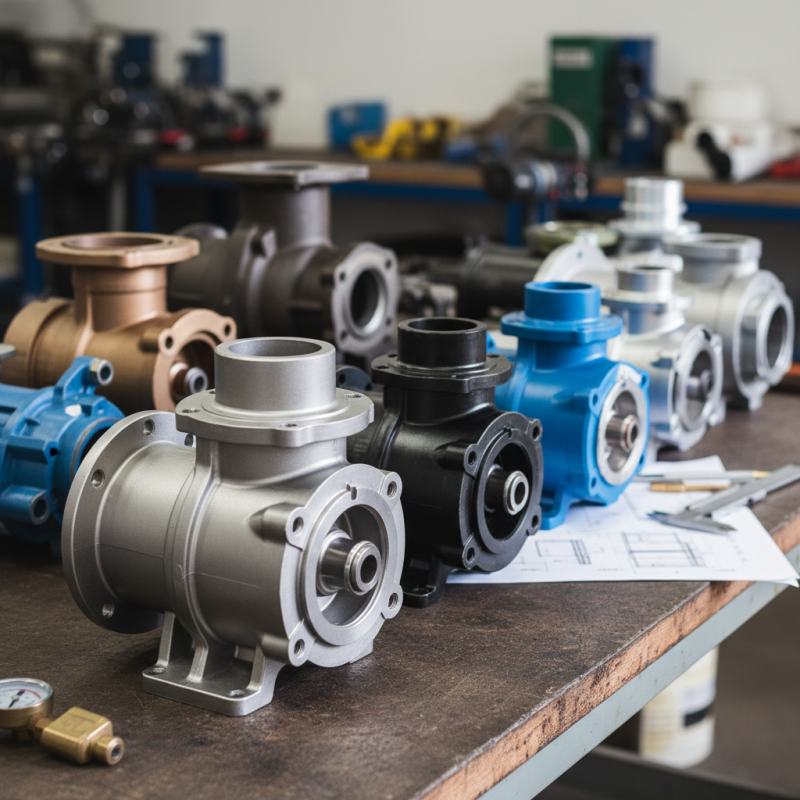
water pump casings come in various shapes and types. Each type serves a specific purpose. For example, stainless steel is known for its durability, while plastic is more lightweight. However, plastic may not last as long under intense conditions.
You might find options overwhelming. It's important to consider factors like flow rate and pressure. Choosing the wrong casing can lead to failures. This could cause expensive repairs later. Thus, taking the time to evaluate your needs is crucial. Don't rush this decision; the perfect match is out there.
Factors Influencing Water Pump Casing Material Selection
Choosing the right material for your water pump casing can significantly impact performance. Several factors influence this decision. The environment where the pump operates plays a vital role. For instance, a corrosive environment demands durable materials. Stainless steel or specialized plastics may be necessary. These materials resist rust and degradation better than others.
Additionally, the type of fluid being pumped matters. Water, chemicals, or slurries each require different casing materials. If the fluid has abrasive particles, softer materials might wear out quickly. Think carefully about the specific application. Lastly, consider the temperature ranges involved. High temperatures may require heat-resistant materials. Neglecting this could lead to failures, causing costly downtimes.
Don’t rush the selection process. An impulsive choice can lead to operational issues and increased expenses. Reflect on your individual needs. Ignoring any of these factors could result in a casing that doesn’t perform as intended. Ultimately, making informed decisions is crucial for efficiency and reliability.
Understanding the Environment: Temperature and Corrosive Conditions
When selecting a water pump casing, temperature and corrosive conditions are critical factors. High temperatures can affect material integrity. Over time, even durable metals may weaken. For example, stainless steel often withstands heat but may not fare well in highly acidic environments.
Corrosion is another concern. Some chemicals can erode materials quickly. Choosing a pump casing made from the right material becomes essential. Plastics and specialized alloys offer options for various conditions. However, they each have limitations that require careful consideration. For instance, a plastic casing might be unsuitable for higher temperatures.
It’s a balancing act between durability and functionality. Sometimes, a material that performs well in one environment struggles in another. This inconsistency can lead to premature failure. Therefore, assessing the specific conditions is vital. Ignoring these factors could result in costly repairs or replacements down the line.
How to Choose the Right Water Pump Casing for Your Needs?
| Casing Material | Temperature Range (°C) | Corrosive Environment | Application Examples |
| Stainless Steel | -50 to 150 | Mildly corrosive | Food and beverage industry |
| Cast Iron | -20 to 100 | Non-corrosive | Construction and HVAC |
| Bronze | -30 to 120 | Moderately corrosive | Marine applications |
| Plastic (PVC) | 0 to 60 | Highly corrosive | Chemical processing |
| Aluminum | -50 to 80 | Slightly corrosive | Agricultural applications |
Evaluating Pump Capacity and Operational Requirements
When evaluating pump capacity and operational requirements, it's essential to consider the specific needs of your application. Pumps come in different capacities based on flow rate and pressure. Understand the volume of water you need to move and the distance it must travel. This knowledge will help you choose a suitable casing. A casing that is too small may restrict flow, while one that is too large can waste energy.
Proper installation is another crucial factor. Ensure your pump casing matches the motor size and type. Take the time to evaluate the pump environment too. Factors like temperature, humidity, and potential exposure to chemicals can impact performance.
Tip: Always consult technical specifications before purchasing. Many people overlook the importance of this step.
Consider the materials used in your pump casing as well. Corrosion-resistant materials may be necessary in harsh conditions. A mismatch can lead to early failure, which is often costly.
Tip: Regular maintenance checks can extend the lifespan of your pump. Neglecting this can result in unforeseen downtime.
By focusing on these operational requirements, you are setting a strong foundation for effective pump performance.
Identifying Compatibility with Pumping Fluids and Applications
Choosing the right water pump casing is crucial for your project. The compatibility with pumping fluids and applications can make or break your system’s efficiency. Different fluids require specific materials, like corrosive liquids needing stainless steel or plastic casings. Always consider the fluid's temperature and pressure too.
Tips: Always double-check fluid characteristics. Sometimes, a slight miscalculation may lead to disaster. Pay attention to local environmental factors, as they can affect casing durability.
Not all pump casings handle every application well. For instance, agricultural pumps may face different challenges than industrial ones. Understand your specific requirements thoroughly. Research is key. Improper material selection could lead to quicker wear and tear or even failure.
Tips: Consult with experts when in doubt. Their experience might shed light on overlooked aspects. Keep an open mind; every project offers a learning opportunity.
Water Pump Casing Selection: Compatibility with Pumping Fluids
Maintenance Considerations for Long-Term Performance and Reliability
Proper maintenance of water pump casings is essential for long-term performance. Industry data indicates that 40% of pump failures are due to inadequate maintenance practices. Regular inspections help identify wear and tear. Timing is crucial. Delaying maintenance can escalate minor issues into major problems.
Cleaning pump casings is another important consideration. Dirt and debris can lead to corrosion. This could reduce efficiency by up to 25%, according to several studies. Using the right cleaning solutions is key. Inadequate cleaning can create residue that hampers functionality.
Monitoring temperature and pressure is vital for reliability. Abnormal levels can signal underlying issues. Certainly, trying to manage these variables on your own can be challenging. You might miss crucial signs if you're not experienced. Consider establishing a routine check, perhaps every six months. This can provide peace of mind, plus ensure your pump functions correctly.