How to Choose Waterproof Twist Connectors for Your Projects?
Choosing the right Waterproof Twist Connectors is crucial for ensuring the longevity and safety of electrical installations. According to a 2021 report by MarketsandMarkets, the global waterproof connector market is projected to reach $14.3 billion by 2026, highlighting the increasing importance of reliable connections in adverse conditions. These connectors are essential in various applications, including automotive, marine, and outdoor lighting systems.
Waterproof Twist Connectors provide a secure seal against moisture, dust, and other environmental factors. However, selecting the right type can be overwhelming due to the wide variety available. Poor choices can lead to device failures and costly repairs. Industry experts recommend considering the environmental conditions and specific application needs before making a selection, as not all connectors perform equally under pressure.
It’s essential to evaluate factors like material, voltage rating, and installation method. The right Waterproof Twist Connectors can enhance system performance, but incorrect ones may result in unexpected issues. Reflection on previous projects can offer valuable insights, helping to improve future choices.
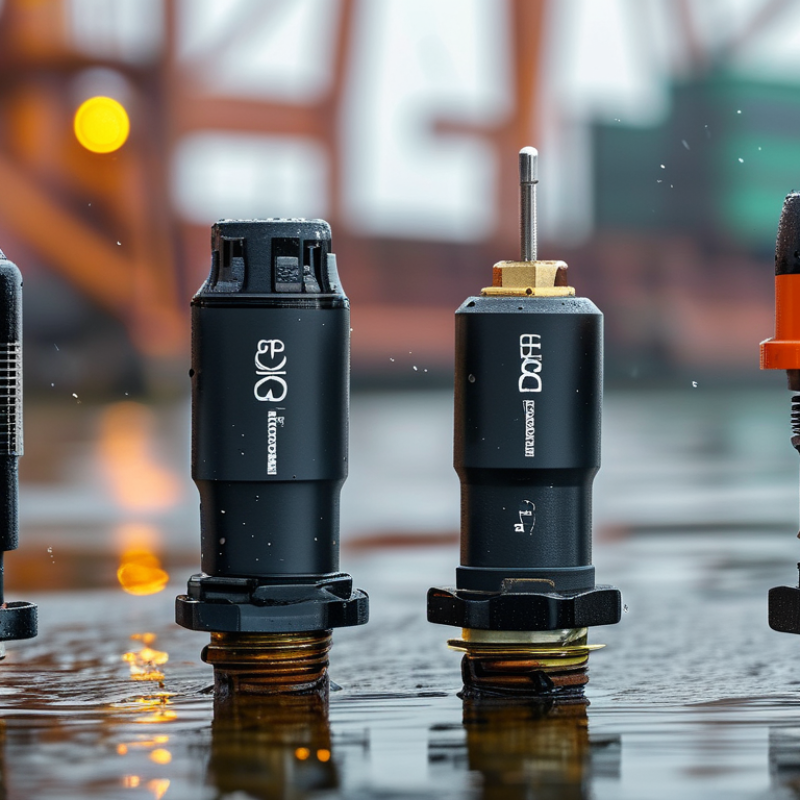
Understanding Waterproof Twist Connectors: Types and Applications
When working on outdoor or moisture-prone projects, waterproof twist connectors play a crucial role. These connectors are designed to create a secure and insulated electrical connection. Their main function is to prevent water ingress, which can lead to short circuits and electrical failures. You can find various types in the market, each suited for different applications. For instance, some connectors are made for low-voltage systems, while others can handle higher voltage requirements.
Understanding the types of waterproof twist connectors available is essential. Heat-shrink connectors offer strong protection against moisture but require a heat source to apply. Inline connectors are often easier to use, providing a quick connection without additional tools. The choice depends on your specific needs, such as environmental conditions and the project's scale. Observing how people frequently mishandle these connectors can be a lesson; improper installation can compromise their effectiveness.
In many cases, connectors may appear suitable but fail after installation. Regularly testing these connectors in real-world conditions is advisable. Users often overlook maintenance, which can lead to premature connector failure. Choosing wisely, based on the connector type and application, ensures reliable connections in challenging environments.
Key Factors in Selecting the Right Waterproof Twist Connectors
Choosing the right waterproof twist connectors can significantly impact the success of your projects. One key factor is the connector's IP (Ingress Protection) rating. A higher rating indicates better resistance to water and dust. For outdoor use, look for connectors rated IP67 or higher. This ensures they can withstand immersion in water.
Another important consideration is the materials used in the connectors. Look for corrosion-resistant materials, especially if the connectors will be exposed to harsh environments. Plastic and silicone are often used, but ensure their durability under sunlight and temperature changes. Flexibility is crucial; connectors should allow easy installation without straining the wires.
Finally, reflect on the connector's size. It should fit securely without being too bulky. A snug connection minimizes the risk of water intrusion. However, larger connectors might be harder to conceal in tight spaces. Think about where you'll use them. Sometimes, an oversized connector can indeed be a visual distraction. Selecting the right waterproof twist connectors requires careful thought about these elements for effective and safe usage.
Industry Standards and Certifications for Waterproof Connectors
When selecting waterproof twist connectors for your projects, understanding industry standards is crucial. Several certifications ensure connectors meet specific performance criteria. Look for ratings like IP68, which indicate protection against dust and water immersion. These ratings help guarantee that your connectors will perform well in challenging environments.
Testing is another vital aspect. Products should undergo rigorous evaluation to comply with safety and performance standards. UL, CE, and RoHS certifications are essential indicators. They reflect that the connectors have passed various safety and environmental tests. This transparency can build trust in the quality of the products you use in your projects.
While these standards offer guidance, potential issues may arise. Not all manufacturers adhere strictly to these regulations. It’s essential to scrutinize documentation and seek reliable vendors. Performing additional verification of claims is also wise. This diligence ensures that the connectors you choose not only meet standards but also excel in performance and reliability.
Performance Metrics: Evaluating the Durability of Twist Connectors
When evaluating the durability of waterproof twist connectors, several performance metrics come into play. These connectors need to withstand harsh environments. Consider factors like temperature range and resistance to moisture. A reliable connector should maintain its integrity under extreme conditions. Look for products that offer robust seals to prevent water ingress.
Durability often ties back to materials used. High-quality plastics and metals resist wear better. Conducting a flexural test can reveal how well a connector holds up under stress. Examine the connector's lifespan based on exposure to various elements. This information is critical when making a long-term investment.
Tips: Always check for certifications, as they indicate product reliability. Look for user reviews to glean insights about real-world performance. Keep in mind that even small defects in a connector can lead to failure. Regular inspections can help identify issues before they become significant problems.
Performance Metrics of Waterproof Twist Connectors
Installation Best Practices for Optimal Waterproofing in Projects
When working on outdoor projects, ensuring waterproof connections is crucial. Twist connectors provide a reliable method. However, proper installation is key to their effectiveness. According to a report from the Electrical Safety Foundation International, improper installation can lead to failures in 30% of waterproof electrical connections.
One tip for installation is to ensure all wires are properly stripped. Exposed wire should not be too short or too long. The recommended length is about 1/2 inch. This helps in achieving a strong connection that resists moisture. Furthermore, tightly twist the wires together before securing them in the connector. Ensuring a snug fit is essential for maintaining the integrity of the connection.
Another best practice involves the use of silicone sealant. Although it may not be the standard recommendation, adding a small amount around the connector can enhance waterproofing. Be cautious, though; too much sealant can create a mess and may interfere with the connection. Remember that even small details count in waterproofing. Inspect all connections regularly to ensure they are performing as expected, and be open to adjusting your methods where necessary.