Top 10 Tips for Effective Shower Drainage Solutions?
In the world of home maintenance, effective Shower Drainage is crucial. Mark Johnson, a leading plumbing expert, emphasizes, "Proper shower drainage prevents water damage and maintains hygiene." Many homeowners overlook the importance of shower drainage until it's too late. Clogged drains can lead to serious issues, including mold growth and expensive repairs.
Understanding the intricacies of shower drainage solutions can make a significant difference. It's not just about installing a drain; it's about ensuring longevity and efficiency. Many fail to realize that poor drainage systems can even affect water pressure and overall bathroom aesthetics.
Investing time in these tips empowers homeowners. You will feel confident in your ability to tackle drainage issues head-on. This guide reveals ten essential tips for creating effective and reliable shower drainage solutions, ensuring your space remains both functional and inviting.
Understanding Shower Drainage Systems and Their Importance
Understanding shower drainage systems is essential for any bathroom. Proper drainage prevents water accumulation. This is crucial for avoiding mold growth and damage to materials. A well-functioning shower drain keeps your space hygienic and comfortable.
Shower drains come in various designs, from linear to traditional. Each type has its unique advantages. Some systems can handle large volumes of water while staying stylish. However, many homeowners overlook maintenance. Clogs can form over time, leading to slow drainage. Regular inspection helps identify potential issues early.
Ignoring drainage problems can lead to costly repairs. Water pooling in the shower can damage the floor and walls. It’s important to understand how your system works. This knowledge allows you to troubleshoot minor issues. Sometimes, a simple adjustment is all it needs. Regular cleaning and upkeep are essential for optimal performance.
Top 10 Tips for Effective Shower Drainage Solutions
Common Causes of Shower Drain Clogs and How to Identify Them
Shower drain clogs can be a common yet frustrating issue. Hair and soap scum often build up over time. Hair strands accumulate, creating a dense barrier. This leads to water pooling in the shower. Residual soap and skin cells also contribute to clogs. Identifying these causes can be straightforward if you know what to look for.
Inspecting the drain’s surface regularly helps catch early signs of blockage. If water drains slowly, it’s time to take action. You might notice an unpleasant odor as clogs worsen. This odor often comes from stagnant water mixed with organic matter. Using a flashlight, you can check for visible debris. Always be cautious when reaching into the drain.
Some people overlook the small things. A quick clean-up after each shower can prevent serious issues. Regular maintenance, like flushing the drain with hot water, helps dissolve minor build-ups. However, not everyone will remember to do this. Learning these simple methods contributes to effective drainage management. Confronting these habits can lead to improvements.
Effective DIY Methods for Unclogging Shower Drains
Clogged shower drains can be a common yet frustrating issue. Fortunately, there are effective DIY methods for unclogging them. According to industry reports, 70% of drain clogs result from hair and soap buildup. Therefore, regular maintenance can prevent blockages.
One excellent tip is to use a mixture of baking soda and vinegar. This natural method breaks down grease and debris. Pour half a cup of baking soda down the drain, followed by a cup of vinegar. After 30 minutes, flush with hot water. This technique is safe and effective.
Another method involves using a drain snake. This simple tool can reach deep into pipes and remove stubborn obstructions. Insert the snake into the drain and rotate it to catch any hair or debris. This often yields quick results.
Pay attention to your drain habits. Install a hair catcher to minimize hair in the drain. Regularly clean the catcher to maintain flow efficiency. Remember, small actions can lead to significant outcomes. Be proactive in your approach to drainage solutions.
Preventive Maintenance Tips to Avoid Future Drain Issues
Maintaining your shower drainage system is essential to avoid future clogs. Regular upkeep can save you both time and money. Start by inspecting the drain regularly. Look for hair, soap scum, and other debris. These are common culprits that lead to blockages. This simple step can keep your drainage clear.
Using a drain cover is a smart preventative measure. It captures hair and large particles. Empty it regularly to prevent buildup. Additionally, consider using natural cleaners, like baking soda and vinegar. They are effective and environmentally friendly. Pouring boiling water down the drain once a week can help dissolve any potential blockages before they become serious.
Be cautious about what you wash down the drain. Oils and fats should never go down the shower drain. They can solidify and cause severe problems. If your drain seems slower than usual, take action immediately. Waiting can lead to bigger headaches. Watch for standing water, as it signals an issue. Regular care can keep your shower functioning well.
Choosing the Right Shower Drain Design for Optimal Water Flow
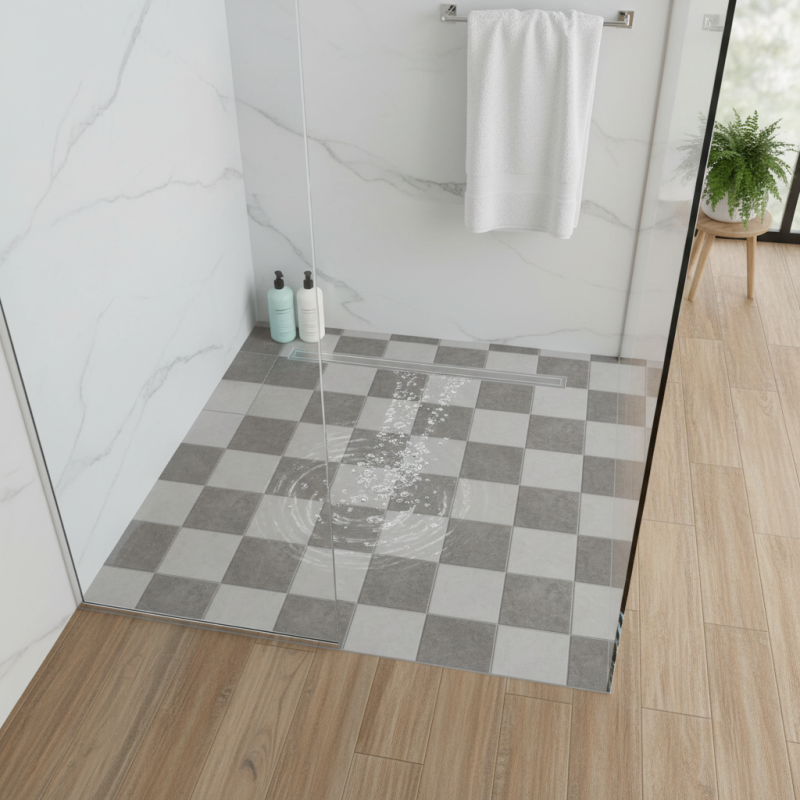
Choosing the right shower drain design is crucial for ensuring optimal water flow. A well-designed drain can prevent water from pooling in the shower area, reducing the risk of slips and falls. There are several designs to consider, each with unique attributes that can enhance drainage efficiency. Linear drains, for example, are long and can be placed along a wall, maximizing water flow toward a single outlet.
Tips for selecting a shower drain include assessing your shower's layout and size. A compact shower may benefit from a central drain. This approach minimizes standing water. Larger spaces can utilize a linear drain for faster water removal. Also, consider the material of the drain. Stainless steel is durable and resistant to rust.
Another important aspect is the slope of the shower floor. If the floor isn’t sloped correctly, even the best drain won't work effectively. A slope of about 1-2% toward the drain is ideal. Check the installation process to avoid issues later. Poor installation may lead to leaks or blockages. Regular maintenance, like clearing debris, is essential for long-term efficiency.