Essential Tips for Choosing Wire for Thermal Spray?
Choosing the right Wire for Thermal Spray is crucial in the coatings industry. As industry expert Dr. Emily Harper states, “The success of your thermal spray application hinges on the wire selection.” This highlights the importance of understanding the specific requirements of your project. The wire type can determine the quality and durability of the final coating.
Wire for thermal spray comes in various materials and diameters. Each type offers different properties. For instance, there are wires made from metal, ceramic, and alloys. These properties include thermal conductivity and adhesion strength. Selecting the wrong type could lead to unsatisfactory results and wasted resources.
Be mindful of common mistakes in wire selection. It’s easy to overlook the subtle differences between wire varieties. These details matter more than you might think. A poorly chosen wire can compromise your work. In high-stakes applications, every decision counts. A well-informed choice can enhance performance and longevity of the coating.
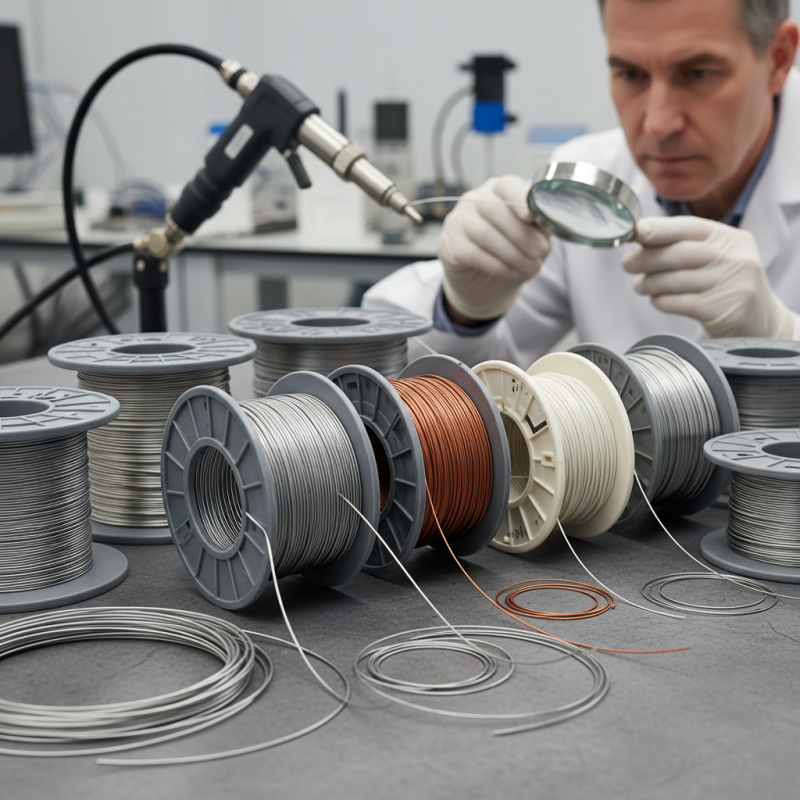
Overview of Thermal Spray Processes and Applications
Thermal spraying is a sophisticated process used to apply coatings on various substrates. It involves projecting molten or semi-molten materials onto a surface. This technique is essential in numerous industries, including aerospace, automotive, and manufacturing. Different thermal spray processes offer unique advantages, such as plasma spraying, flame spraying, and high-velocity oxy-fuel (HVOF) spraying. Each method has specific applications based on factors like temperature resistance and wear characteristics.
Selecting the right wire for thermal spraying is crucial. The wire must match the desired coating properties, such as hardness and adhesion. Consider material types such as metal alloys or ceramics. It is vital to analyze the environment the coated surface will face. Factors like temperature fluctuations and exposure to chemicals can influence wire choice. In some cases, users may overlook specific requirements, leading to coating failures. This oversight can be costly, making careful consideration essential in the selection process. Understanding the distinct characteristics of different materials contributes to effective thermal spray applications.
Types of Wires Used in Thermal Spraying
When selecting wire for thermal spraying, it's crucial to understand the different types available. The wire fundamentally influences the coating's quality and durability. Common wire types include metal wires, ceramic wires, and polymer wires. Each type serves specific applications and offers unique benefits.
Metal wires are widely used for their strength and adhesion properties. They typically create dense coatings, suitable for high-wear applications. Ceramic wires, on the other hand, provide excellent thermal resistance, making them ideal for high-temperature environments. Polymer wires offer flexibility and lower density coating points, beneficial in certain non-industrial sectors.
When choosing a wire, consider your project's requirements. Look beyond the basic specifications. Understand the environmental conditions and mechanical stresses the coating will face. Testing different wire types can help identify the best option. It’s also beneficial to consult with industry experts for insights. Learning from their experiences can save time and resources. Ultimately, making an informed choice leads to more effective thermal spraying results.
Key Factors to Consider When Selecting Wire for Thermal Spray
Choosing the right wire for thermal spray applications requires careful consideration. Understanding the specific requirements of your project is essential. Factors such as the substrate material, desired coating properties, and environmental conditions all influence your selection.
One tip is to assess the wire composition. Materials may vary in their ability to bond and perform under stress. For example, metal wires might provide strong adhesion but could fail at high temperatures. Another consideration is the wire diameter. Smaller diameters can create finer coatings, but they may also reduce material efficiency. Testing different sizes may yield better results.
It’s also crucial to evaluate the supplier's reputation. A reliable supplier will offer consistent quality and support. Some contractors face issues with less common wires. Always check for certifications and customer reviews to ensure the wire’s reliability. Remember, not every option is suitable for every project. A thoughtful approach can save time and resources.
Essential Tips for Choosing Wire for Thermal Spray
| Wire Type | Diameter (mm) | Material Composition | Recommended Applications | Thermal Conductivity (W/mK) |
| Nickel Alloy | 1.6 | Ni, Cr, Mo | Aerospace, Marine | 90 |
| Tungsten Carbide | 2.0 | WC, Co | Tooling, Wear Resistance | 45 |
| Aluminum | 1.2 | Al | Lightweight Components | 205 |
| Cobalt Alloy | 1.5 | Co, Cr, W | Heat Resistant Applications | 40 |
| Stainless Steel | 1.0 | Fe, Cr, Ni | Corrosion Resistance | 15 |
Material Properties and Their Impact on Wire Performance
Choosing the right wire for thermal spray applications hinges greatly on understanding material properties and their corresponding effects on performance. Different wire materials exhibit unique characteristics that influence adhesion, wear resistance, and overall effectiveness. For instance, a study by the Thermal Spray Association indicates that stainless steel wires can deliver superior corrosion resistance, while cobalt-based alloys provide enhanced wear resistance. These properties make them suitable for specific applications within aerospace and automotive sectors.
When selecting wire, consider the microstructure and mechanical properties. A wire with a fine microstructure typically holds the potential for improved coating quality. Testing shows that finer particles enhance deposition efficiency, with some reports indicating efficiency increases of up to 25%. Choosing the right wire impacts not just performance but also service life, reducing the need for frequent replacements.
Tip: Don’t overlook the role of temperature in performance. High-temperature applications may demand wires with improved melting points. Evaluate specific application requirements against wire specifications to ensure compatibility. Additionally, regularly review and compare material data sheets to stay updated on innovations in wire properties. In an industry that evolves rapidly, maintaining awareness of new technologies can significantly enhance your work quality.
Essential Tips for Choosing Wire for Thermal Spray
Best Practices for Wire Storage and Handling in Thermal Spray Operations
Proper storage and handling of wire in thermal spray operations is crucial for efficiency and quality. Keeping wire clean and dry is essential. Moisture can lead to defects in the spray process, affecting the final coating. Store wire in a controlled environment to prevent oxidation and contamination. Use airtight containers whenever possible. If the wire becomes contaminated, it may require cleaning, which can be time-consuming.
Handle the wire carefully to avoid kinks and bends. These imperfections can disrupt the spray pattern. Always inspect the wire before use, ensuring it is in optimal condition. When transferring wire to the spray equipment, avoid dragging it on surfaces that could introduce dirt. Maintaining a clean workspace helps reduce contamination risks.
Regularly train staff on best practices for wire handling. New workers may not recognize the importance of these steps. Reinforcing proper techniques can decrease errors and improve overall results. Reflections on handling issues can lead to better practices in the future. Understanding the impact of these small details can significantly enhance the thermal spray process.