Top Tips for Choosing Flotation Equipment for Your Needs?
Selecting the right Flotation Equipment is crucial for various industries, especially mining and wastewater treatment. According to a report by Research and Markets, the global flotation equipment market is expected to grow significantly, driven by expanding mining activities. When choosing flotation equipment, understanding your specific needs is vital. Misalignment can lead to inefficiencies and increased operational costs.
Consider the type of materials being processed. Different flotation methods work optimally with specific ore types or contaminants. A common mistake is assuming one model fits all. Customization may improve performance significantly. Additionally, factors like energy consumption and maintenance costs can impact long-term profitability.
It is essential to seek advice from experienced professionals. They provide insights based on practical experiences with various flotation systems. However, not every suggestion may suit your unique situation. Therefore, a thorough evaluation of available options is necessary. Ultimately, the right flotation equipment can enhance recovery rates and improve overall process effectiveness.
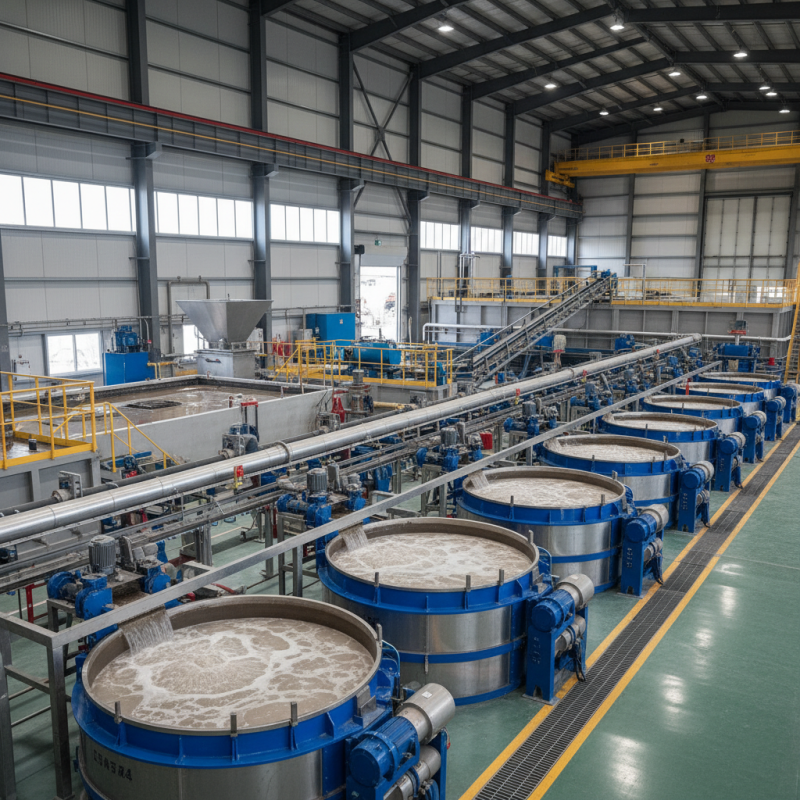
Understanding the Basics of Flotation Equipment and Its Applications
Flotation equipment plays a pivotal role in various industries, especially in mineral processing. Understanding its basic mechanisms is essential before making a choice. Flotation is a process that separates materials based on differences in their physical and chemical properties. Often, air bubbles are introduced into a slurry, allowing hydrophobic particles to attach and rise to the surface. This principle is crucial for effective separation.
Different applications demand different types of flotation equipment. For instance, some systems work best in mining, while others suit wastewater treatment. Deciding factors include the specific materials, desired purity, and scale of operation. It's important to analyze your requirements and the characteristics of the materials being processed. A mismatch can lead to inefficiencies or even operational failures.
Choosing the right size and type is more challenging than it seems. Larger equipment may seem efficient, but it can also introduce complications. Smaller units can provide precision but might limit throughput. Testing various configurations before making a final decision can save time and resources. Reflecting on your experiences and potentially involving an expert can guide better choices in the long run. Ensuring that your selection aligns with your unique needs will minimize risk and boost productivity.
Identifying Your Specific Needs and Requirements for Flotation Processes
Choosing the right flotation equipment requires a clear understanding of your specific needs and requirements. Flotation processes vary widely across industries, making it critical to identify your operational goals first. According to industry reports, the efficacy of flotation equipment can impact separation efficiency by up to 30%, highlighting the importance of proper selection.
Assessing your feed material is essential. Different ores and waste materials respond differently to flotation methods. A report by the International Journal of Mineral Processing indicates that altering pH levels can maximize recovery rates for specific minerals. Monitoring this factor is vital for achieving desired outcomes. Additionally, evaluating the physical characteristics of your material, including particle size and density, will aid in determining the appropriate equipment type.
Energy consumption is another crucial aspect. Flotation equipment can significantly contribute to operational costs. Data from the Society for Mining, Metallurgy, and Exploration suggests that optimizing power usage can enhance efficiency by 20%. Therefore, focusing on energy-efficient models may lead to substantial cost savings. It’s also important to contemplate the scalability of your chosen flotation system as you grow. Scalability ensures that your equipment meets evolving demands without requiring an overhaul.
Evaluating Different Types of Flotation Equipment Available on the Market
When evaluating different types of flotation equipment, one must consider several essential factors. Various designs serve distinct applications, impacting efficiency and output. For instance, mechanical flotation cells are popular for mineral processing, while column flotation devices offer higher selectivity. According to a recent industry report, the global flotation equipment market is expected to grow by 6% annually, driven by rising demand in mining and wastewater treatment.
The choice of flotation equipment heavily relies on the specific needs of your operation. Factors such as ore characteristics and desired mineral recovery rates significantly influence equipment selection. The right system can dramatically enhance the recovery efficiency, which can sometimes exceed 95%. Yet not every setup will yield the same results. It is critical to understand how different technologic designs cater to various material densities and particle sizes.
Moreover, recent studies have highlighted that improper equipment choice can lead to issues like poor recovery rates or higher operational costs. In many instances, operators overlook the importance of conducting thorough tests before finalizing their equipment. Taking the time to evaluate pilot plant results and small-scale tests can mitigate risks associated with large-scale operations. This reflection is crucial to ensure the long-term success of flotation processes, underscoring the need for informed decision-making.
Top Tips for Choosing Flotation Equipment for Your Needs
Key Features to Consider When Selecting Flotation Equipment
When selecting flotation equipment, certain key features can greatly influence your decision. One important aspect is the size of the equipment. It should match the scale of your operation. Too large or too small can lead to inefficient processing. Consider the volume of material you typically handle. This specificity will guide you in making informed choices.
Another feature to think about is the design of the flotation cells. The shape and configuration can impact the recovery rates. It's crucial to evaluate the types of materials you're working with. Different designs may perform better with various types of ores. Efficiency is essential, but also think about maintenance. Ease of cleaning can save time and resources in the long run.
Finally, assess the technological capabilities. Features like control systems and automation can enhance performance. They may also present some learning curves for your team. Ensure that your operators have the necessary training for complex systems. Keeping these elements in mind will lead to better operational outcomes and improved productivity.
Budgeting and Cost Considerations for Flotation Equipment Acquisition
When considering flotation equipment, budgeting is a crucial aspect. An accurate budget helps avoid overspending. Analyze your needs carefully. Understand how much you can allocate for the equipment. Don’t forget to include installation and maintenance costs. These can add up quickly. Set realistic goals for what you want the equipment to achieve.
Cost variations exist in different equipment options. Lesser-known brands may offer lower prices but could lack reliability. Investing in quality equipment may cost more upfront. However, it often yields better long-term results. A thorough review of each option is essential. Compare the features and specifications. Sometimes, the cheapest option can lead to higher costs later.
Additionally, reflect on potential hidden costs. Transportation and operational expenses can affect your overall budget. Unforeseen repair costs might arise as well. It's vital to conduct a comprehensive cost assessment. You're not just buying equipment; you're investing in your operation's efficiency. Always weigh cost against performance and reliability for the best results.
Top Tips for Choosing Flotation Equipment for Your Needs
| Criteria | Considerations | Estimated Cost Range (USD) | Maintenance Frequency | Efficiency Rating (%) |
| Type of Material | Compatibility with processing requirements | $10,000 - $50,000 | Quarterly | 85 - 95 |
| Capacity | Volume of material to be processed | $15,000 - $70,000 | Monthly | 80 - 90 |
| Technology Type | Dissolved air flotation vs. induced air flotation | $20,000 - $100,000 | Bi-Monthly | 75 - 85 |
| Energy Efficiency | Operational costs related to energy usage | $5,000 - $15,000 | Annually | 90 - 98 |
| Overall System Integration | Compatibility with existing systems | $10,000 - $25,000 | As Needed | 85 - 92 |