2026 How to Choose the Best Electric Chainsaw for Your Needs?
Choosing the right electric chainsaw can be a daunting task. With numerous models available, understanding your unique needs is essential. According to industry expert John Stevens, "Selecting an electric chainsaw requires knowing your specific cutting tasks." His insight underscores the importance of aligning the chainsaw's features with your requirements.
Electric chainsaws are popular for their ease of use and quiet operation. They offer a clean alternative to gas-powered models. Whether you need to trim branches or fell small trees, there's an electric chainsaw that fits the bill. However, not all chainsaws are created equal. Some models may lack the power you need, while others could be too heavy for extended use.
Consider factors like power, weight, and battery life before making a purchase. It's easy to overlook these details when shopping. A chainsaw that is too heavy may cause fatigue. A model with a short battery life can cut your work time short. In the end, taking the time to evaluate your options will lead to a more satisfying purchase.
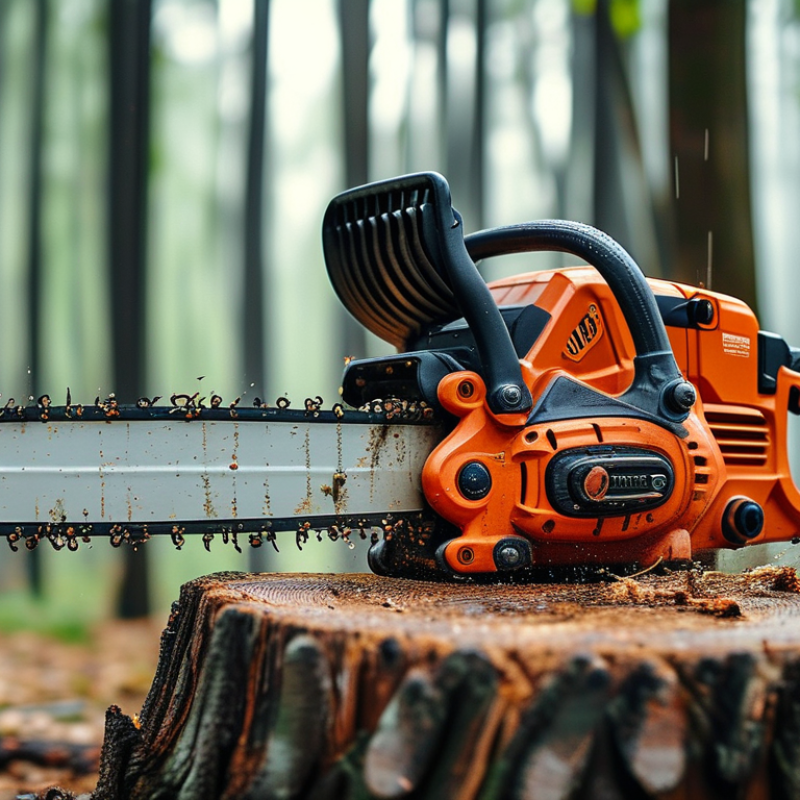
Understanding the Basics of Electric Chainsaws
Electric chainsaws are a popular choice for homeowners and professionals alike. They are quieter and cleaner than gas-powered options. Understanding the basics ensures you select the right tool for your tasks.
Look for key features like motor power, bar length, and weight. A saw with a higher wattage is typically more powerful. If you plan to cut larger trees or thick branches, a longer bar is desirable. However, longer bars add weight. Consider how comfortable the tool will be during extended use.
Tips: Always handle electric chainsaws with care. Regularly check the chain tension and lubrication. This maintenance prolongs the life of the saw. Additionally, wear appropriate safety gear such as goggles and gloves. Remember to respect the tool’s capabilities. Overestimating your chainsaw can lead to accidents.
Choosing the right electric chainsaw involves understanding your specific needs. A lightweight model may suit small yard work, while a robust option is necessary for more extensive projects. Make informed decisions based on your experience and intended tasks.
Comparison of Electric Chainsaw Features
Evaluating Your Cutting Needs and Usage Scenarios
Selecting the right electric chainsaw begins with evaluating your specific cutting needs. Consider the types of tasks you’ll be tackling. For occasional home use, a smaller model may suffice. If you have larger projects, like felling trees or cutting firewood, you might need a more robust device. A report from the U.S. Forest Service indicates that an average electric chainsaw can handle 15-inch diameter logs with ease, making it essential to assess your typical cutting requirements.
Tip: List out the typical materials you will cut. This will help narrow down your options.
Usage scenarios also influence your choice. If you're using the chainsaw for pruning, a lightweight model enhances maneuverability. On the other hand, heavier duty models are preferable for cutting dense wood or performing larger tasks. Data suggests that approximately 30% of homeowners seek chainsaws primarily for occasional yard maintenance. Their choice should lean towards smaller, battery-operated saws for ease of use.
Tip: Test the weight of the chainsaw before purchasing. Comfort in handling can save you from fatigue during extended use.
Reflecting on power sources is also vital. Battery-operated models offer convenience, while corded versions provide sustained power. Balancing convenience and cutting capacity will lead you to the ideal choice for your needs. Being aware of these factors will empower you in making an informed decision.
Key Features to Consider When Selecting an Electric Chainsaw
When choosing an electric chainsaw, several key features are essential. The power rating is crucial. Look for models with sufficient wattage to handle your typical cutting tasks. More powerful chainsaws cut through thicker wood easily. Battery life is another vital aspect. A longer battery life allows for extended use, making your work more efficient.
Consider the weight and design of the chainsaw. A lightweight model is easier to maneuver and reduces fatigue. Ergonomic designs provide comfort during extended use. Safety features are equally important; automatic chain brakes and protective guards enhance user safety. Check user reviews to gauge reliability. With numerous options available, it’s easy to feel overwhelmed.
Reflect on your specific requirements. Do you need a chainsaw for light trimming or heavy-duty work? Knowing your needs will help narrow your choices. Also, consider the maintenance involved. Some models require regular oiling and upkeep. Make sure you are ready for that commitment. Your choices will shape your experience, so take the time to choose wisely.
2026 How to Choose the Best Electric Chainsaw for Your Needs? - Key Features to Consider When Selecting an Electric Chainsaw
| Feature | Description | Importance | Recommended Size |
| Bar Length | Length of the cutting bar; determines the maximum size of cuts to be made. | High | 10-16 inches for home use |
| Power Rating | Measured in amps; higher ratings indicate more cutting power. | High | 12-15 amps |
| Weight | Total weight of the chainsaw; affects maneuverability and fatigue during use. | Medium | 6-12 lbs |
| Chain Speed | Speed at which the chain moves; higher speeds allow for quicker cuts. | High | 12-20 m/s |
| Safety Features | Includes features such as chain brake, safety switch, and low kickback chain. | Very High | N/A |
| Ease of Maintenance | How easily you can maintain the chainsaw; tool-less chain adjustments are preferable. | Medium | N/A |
| Noise Level | Measured in decibels; quieter models are more pleasant to use in residential areas. | Medium | Below 90 dB |
Comparing Battery-Powered vs. Corded Electric Chainsaws
When choosing an electric chainsaw, the type can greatly impact your experience. Battery-powered chainsaws offer mobility and convenience. They are lightweight, making them easier to handle for longer periods. You can use them anywhere without worrying about cords. However, battery life can be a limitation. Extended cutting tasks may require multiple batteries. Users often forget to charge an extra battery, disrupting workflow.
On the other hand, corded electric chainsaws provide consistent power. They are more suitable for larger projects where you need continuous operation. The cord restricts mobility, but it keeps you from worrying about battery levels. This can be frustrating if you need to move around frequently. It's important to consider your working environment before making a choice.
Both options have their pros and cons. Battery models can be powerful but may struggle with larger cuts. Corded versions are dependable but can limit your reach. Understanding your specific needs is crucial. Without this clarity, you might face unexpected challenges during your work.
Maintenance and Safety Tips for Electric Chainsaw Owners
Electric chainsaws are powerful tools for maintaining your yard or tackling DIY projects. However, they require proper maintenance and safety practices. Statistics show that improper handling of chainsaws leads to over 20,000 injuries annually in the U.S. alone. Understanding safety tips is crucial for all users.
One essential tip is to always wear protective gear. This includes goggles and gloves. These items significantly reduce the risk of injuries. Regular maintenance checks are also vital. Ensure the chain is sharp and lubricated. A dull chain can cause kickbacks, risking injuries. Reports indicate that properly maintained chainsaws work more efficiently and last longer.
Avoid overreaching while cutting. This can lead to loss of control. Keeping both hands firmly on the saw is also important. After each use, perform a quick inspection for any damages. Address issues promptly; neglect can lead to bigger problems down the line. Make it a habit to store your chainsaw in a dry, safe place. Proper storage helps prevent accidents and preserves the tool's life. Following these steps enhances your safety and the performance of your electric chainsaw.