2026 How to Choose the Best Filling Capping Machine?
Selecting the right Filling Capping Machine is crucial for efficiency in production lines. A well-chosen machine can enhance productivity and ensure consistent quality. However, the process can be daunting, given the variety of machines available.
There are several factors to consider when choosing a Filling Capping Machine. The type of product, container size, and production volume all play vital roles. Machines must accommodate various filling techniques, such as volumetric or gravity filling. It’s also essential to assess the machine's adaptability for future needs.
Though many offerings seem appealing, not all machines are created equal. Some may not perform as expected or lack necessary features. Evaluating suppliers' reviews and industry standards can provide insights into reliability. Remember that investing time in research now may save costs later, ensuring your operation runs smoothly.
Understanding the Basics of Filling Capping Machines
Filling capping machines play a crucial role in the packaging industry. They ensure products are sealed efficiently, maintaining quality and preventing contamination. Understanding their basic components is vital for making informed choices. According to industry reports, the global market for filling machines is expected to reach $6.9 billion by 2026, driven by the demand for automation and higher production speeds.
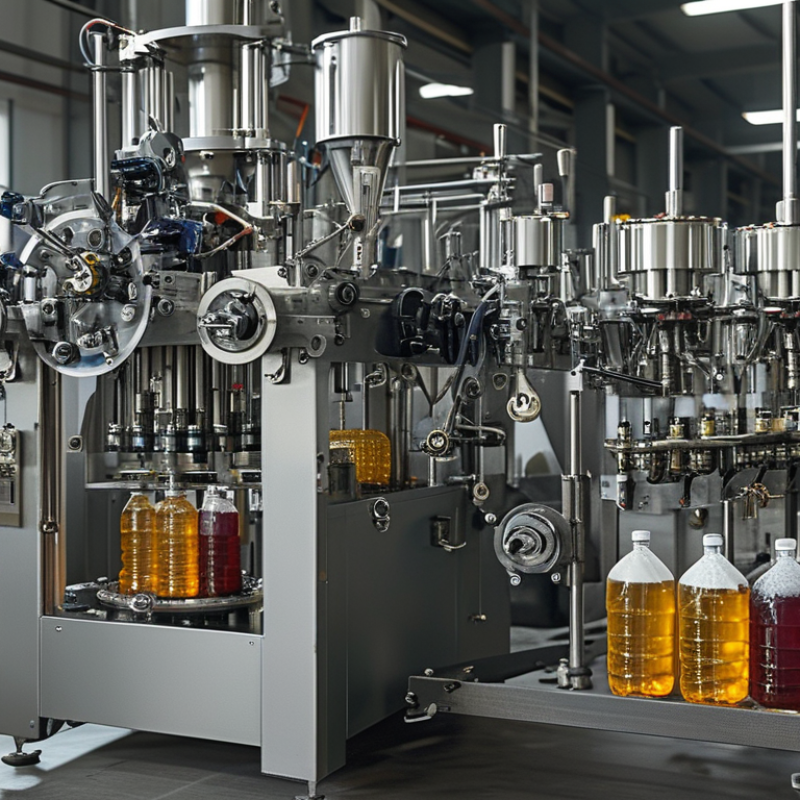
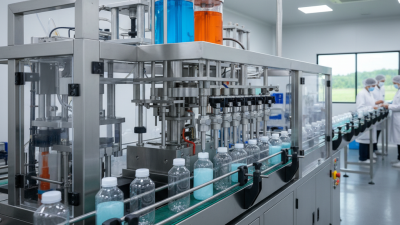
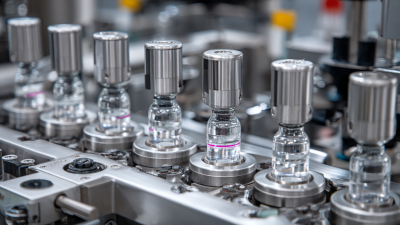
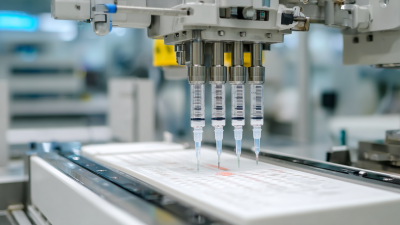
A typical filling capping machine includes a filling station and a capping station. The filling station dispenses liquids, pastes, or powders into containers. Capping stations secure lids or caps tightly. Efficiency hinges on accurate volume measurements and the speed of the capping process. In fact, a study indicated that modern machines can achieve speeds of up to 240 bottles per minute. This efficiency reduces downtime and increases overall productivity.
Choosing the right machine involves considering the type of product, container size, and production volume. Different machines handle specific viscosities, such as thick sauces versus thin liquids. A mismatch can lead to wastage and quality issues. Some machine operators report frustrations with calibration and maintenance needs. Regular training can help address these concerns, ensuring optimal performance. Understanding these basic elements helps businesses select the right filling capping machine effectively.
Types of Filling Capping Machines and Their Applications
Filling capping machines come in various types, each designed for specific tasks.
Liquid filling machines are ideal for beverages, chemicals, and pharmaceuticals.
They ensure precise measurements and reduce waste. On the other hand,
powder filling machines handle granulated products, making them perfect for food and cosmetics.
Each machine varies in speed and accuracy, catering to different production needs.
Applications extend beyond just liquids and powders. Some machines specialize in handling cream or gel products. These machines often use different mechanisms to prevent spills and ensure a clean process.
Understanding the nuances of each type is crucial. For instance, a high-speed filling machine might seem ideal but could compromise accuracy.
This could lead to dissatisfied customers if products are underfilled or overfilled.
It's essential to consider industry requirements when choosing a machine. Not every machine fits every application.
Evaluate not only the type of product but also packaging needs. This analysis helps in selecting the right machine that aligns with production goals.
In the end, the right choice contributes significantly to efficiency and product quality.
Key Features to Consider When Choosing a Filling Capping Machine
When selecting the ideal filling capping machine, key features can greatly influence performance.
One important aspect is the machine's flexibility.
It should accommodate various container shapes and sizes. This adaptability saves time during production changes and reduces cost. Efficiency in adjusting to different products is crucial for businesses aiming for versatility.
Another critical feature is accuracy in filling and capping.
Precision ensures that each container receives the right amount of product.
Overfilling or underfilling can lead to wastage and unhappy customers.
Machines that offer adjustable settings for various products help enhance this accuracy.
They're more reliable than those with limited capabilities.
User-friendliness also plays a vital role in the selection process. A machine with an intuitive interface can significantly reduce training time for operators.
Complicated machines can lead to errors and inefficiencies.
Ensuring that the machine is easy to clean and maintain is equally essential.
Regular maintenance can be time-consuming, impacting overall productivity.
Finding a balance between efficiency and ease of use often requires reflection on long-term operational goals.
Evaluating Production Capacity and Efficiency Requirements
When evaluating production capacity, start by assessing your output needs. Understand the total volume of products you aim to fill and cap daily. It helps to have clear numbers. High-speed machines may seem appealing. However, check if your actual production speed aligns with its capabilities.
Efficiency should be more than just speed. Consider the changeover time between different products. A machine that takes long to adjust can slow down your production line. Look for user-friendly features that simplify these transitions.
Tips: Analyze historical production data before making decisions. Consult industry benchmarks to gauge what fits your needs. A trial run with potential machines can provide insights into their real performance. Keep in mind that even the best machines may fail to meet expectations without proper integration and staff training.
Maintenance and Support Factors in Filling Capping Machine Selection
When selecting a filling capping machine, maintenance and support factors play a crucial role. These machines are complex and require regular upkeep. A reliable maintenance plan is essential to ensure optimal performance. Consider the availability of service technicians and spare parts. A manufacturer that offers strong after-sales support can save you time and money in the long run.
You should also evaluate the user manuals and training provided. Clear, comprehensive instructions can make a significant difference in machine operation. Don't overlook the importance of training for your staff. Inefficient use can lead to errors and increased downtime. It's helpful to seek machines with a supportive community or forums. This can provide immediate help when issues arise.
Additionally, prioritize machines that allow for easy access to critical components. Maintenance tasks should be straightforward. Complex designs can create challenges, leading to costly repairs. Think about your long-term needs. Is the manufacturer known for their reliability? Your choice in machinery can greatly affect production efficiency and overall business success.