2026 How to Choose the Best Roll Lamination Machine?
Choosing the right Roll Lamination Machine is crucial for businesses in various sectors. Recent data from MarketsandMarkets indicates that the global lamination market is projected to reach $40 billion by 2026. This growth reflects the increased demand for durable and high-quality products.
Industry expert John Smith, a lamination technology consultant, has noted, “Investing in the right Roll Lamination Machine can significantly enhance product longevity.” His insight emphasizes the need for careful selection when considering the features and capabilities of these machines.
Despite the apparent benefits, many companies still struggle with their choices. It's essential to evaluate specific requirements and available options thoroughly. The decision-making process could be overwhelming. Choosing a machine without a clear understanding may lead to underperformance. As the industry evolves, understanding advanced technologies and their impact on the lamination process remains vital.
Understanding the Basics of Roll Lamination Machines
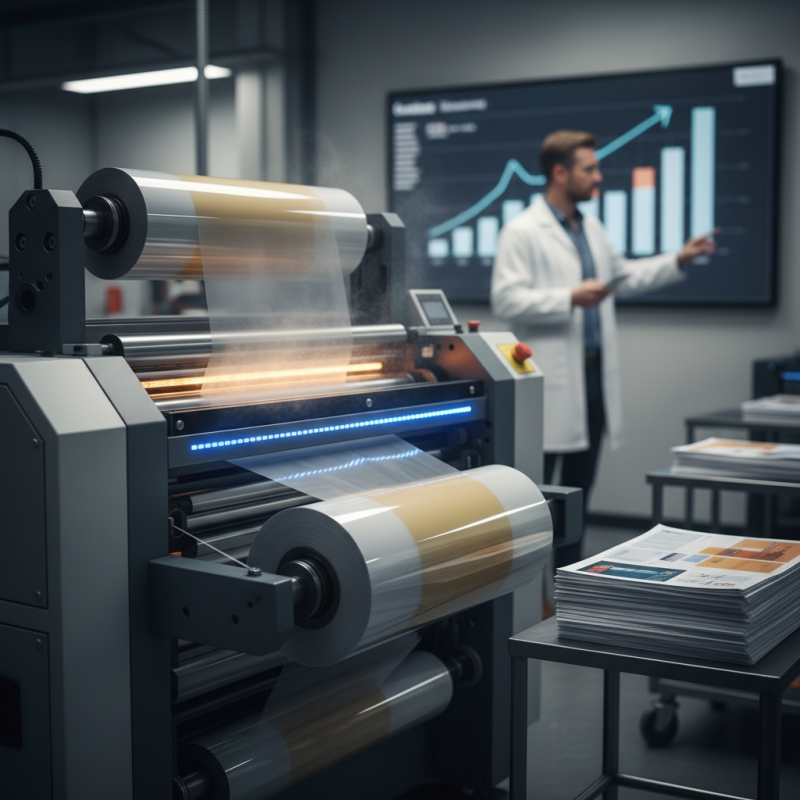
Roll lamination machines are essential tools in various industries. They enhance the durability and appearance of printed materials. Understanding these machines is crucial for making informed choices.
A standard roll lamination machine uses heat and pressure to apply a plastic film over a substrate, increasing longevity. According to industry reports, the global laminating machines market is projected to reach $2.8 billion by 2026. This growth reflects an increased demand for high-quality lamination in printing and packaging sectors.
When selecting a roll lamination machine, consider the thickness of the materials. Different machines handle varied thicknesses. Many operators overlook this aspect, leading to poor results. Durability and speed specifications also matter. A machine with lower speeds can lead to inefficiencies. Additionally, operational costs can vary significantly. It's vital to understand maintenance requirements. In some cases, machines may need frequent repairs, impacting productivity.
Key Features to Consider When Selecting a Roll Lamination Machine
Choosing the right roll lamination machine is crucial for efficiency. One key feature to consider is the type of laminating film. The thickness of the film commonly ranges from 1.5 to 10 mils. Thicker films provide better protection but may require more robust machines. A report from the Flexible Packaging Association indicated that over 70% of businesses prefer machines that can handle a variety of film types.
Speed is another vital factor. Machines can operate anywhere from 5 to 30 feet per minute. Slower machines may struggle with larger volumes. A slower speed can lead to backlogs during peak times. According to industry data, around 60% of companies report downtime issues related to machine speed.
Ease of use shouldn’t be overlooked. Features like digital controls and automatic film feed can significantly reduce setup time. Yet, many machines still rely on manual adjustments. This can create inconsistencies in the final product. Statistics show that nearly 50% of users cite difficulty in handling settings as a recurring challenge. Selecting a machine with user-friendly features can mitigate these issues and enhance productivity.
Comparing Different Types of Roll Lamination Machines
Choosing the right roll lamination machine is vital for businesses that require high-quality finishing. Different types have unique features and benefits. The most common types are thermal and cold lamination machines. Each serves distinct purposes, impacting efficiency and output quality.
Thermal lamination machines use heat to bond the film to the substrate effectively. According to industry reports, thermal machines can improve adhesion by 20%. They are suitable for large-scale production due to their speed and high throughput. However, they require careful temperature control. Overheating can ruin materials, causing wastage.
Cold lamination machines are another option. They use a pressure-sensitive adhesive for bonding, which makes them ideal for heat-sensitive materials. Reports indicate that cold lamination can save up to 15% in production costs due to less energy use. Yet, they may not offer the same durability as thermal options. A business needs to weigh these factors carefully. Choosing the wrong type could lead to inefficiencies that reflect in the final product.
Assessing When to Upgrade Your Roll Lamination Equipment
When considering an upgrade to roll lamination equipment, several factors come into play. Think about your current production needs. Are you handling more orders than before? If yes, it might be time to evaluate your machinery. An outdated machine can slow down processes. Delays can lead to dissatisfied customers. It’s essential to assess if your current equipment meets evolving demands.
Cost is another critical aspect. Upgrading may seem expensive initially. However, consider the long-term benefits. New machines might offer faster speeds and better film adhesion. There can be savings in materials and energy. Evaluate if these savings justify the investment.
Additionally, think about the available space in your facility. A larger machine might require more floor space. Will you have room for an upgrade? Consider maintenance needs too. Older machines may demand more frequent repairs. This impacts your budget and productivity. Balancing these factors can help clarify if it's time for a new roll lamination machine.
Maintenance Tips for Ensuring Longevity of Your Lamination Machine
Maintaining a roll lamination machine is crucial for its longevity. Regular cleaning is essential. Dust and debris can accumulate rapidly, causing wear. Wipe down the surfaces after heavy use. Pay attention to the rollers; they need special care. A buildup of adhesive can create issues.
Lubrication often gets overlooked. Ensure the moving parts are well-oiled. This reduces friction and prevents overheating. Check the manufacturer’s manual for guidance. Sometimes, a simple oil change makes a big difference.
Monitoring temperature is key. High heat can damage components. If the machine starts making strange noises, investigate promptly. Ignoring these signs could lead to costly repairs.
Lastly, train staff on proper usage. Even with the best machine, careless handling can shorten its lifespan. Reflect on your maintenance routine regularly; small adjustments can lead to big improvements.