Why is Cabin Filter Maintenance Important for Your Vehicle?
Maintaining your vehicle's Cabin Filter is often overlooked. Many drivers underestimate its importance. Yet, the Cabin Filter plays a crucial role in ensuring a comfortable ride.
Inside our cars, we spend a significant amount of time. Pollutants and allergens can seep in if the Cabin Filter is dirty. Dust, pollen, and even particulate matter can affect our health. A neglected filter can lead to musty odors and reduced air quality.
People might think replacing it is unnecessary. However, a clean Cabin Filter can enhance air flow and efficiency. It’s important to check this filter regularly. Doing so not only improves comfort but also benefits overall vehicle performance. Make it a priority to maintain your Cabin Filter. Your health and vehicle depend on it.
Importance of Cabin Filters in Vehicle Performance
Cabin filters play a crucial role in your vehicle's overall performance. They act as barriers against dust, pollen, and pollutants from entering the cabin. This helps maintain air quality, ensuring a comfortable ride. When these filters are clean, air circulation improves, making the engine work more efficiently.
However, many drivers neglect cabin filter maintenance. Over time, filters can clog with debris. Dirty filters can lead to unpleasant odors and reduced airflow, which can make passengers uncomfortable. Sometimes, you might notice an increase in allergens inside the cabin. It’s easy to overlook this small part of vehicle maintenance, but it has significant effects.
Regular inspection of cabin filters can prevent larger issues. Replacing a clogged filter may seem trivial, but it can enhance your driving experience greatly. An efficient cabin filter not only purifies the air but also protects your vehicle's HVAC system. When was the last time you checked yours? Taking a moment to reflect on this can lead to improved performance and comfort.
Impact of Dirty Cabin Filters on Air Quality
Dirty cabin filters can significantly affect the air quality inside your vehicle. When these filters are clogged, they can't trap dust, pollen, and allergens effectively. As a result, harmful particles enter the cabin. This can exacerbate allergies and lead to respiratory issues.
Many drivers overlook cabin filter maintenance. It's often out of sight and out of mind. But ignoring it can have serious consequences. Fresh air is vital for comfort during long drives. Breathing in contaminated air can also lead to fatigue and irritation. The ride becomes less enjoyable, and your overall well-being may decline.
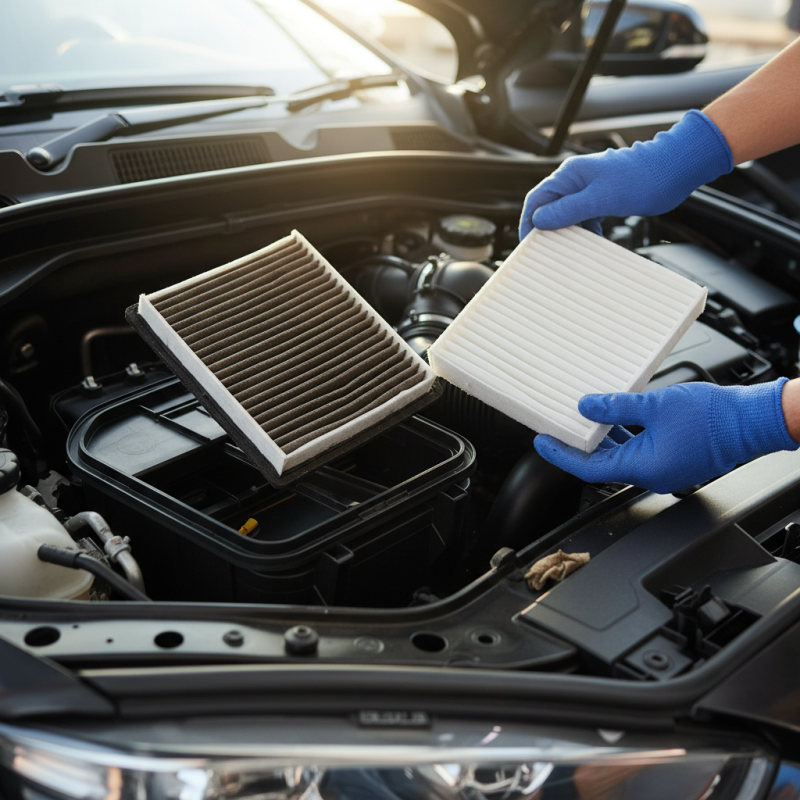
Regularly inspecting your cabin filter is essential. If it’s darkened and dusty, it’s time for a change. A clean filter can enhance air circulation. You will notice the difference immediately. Fresh air can improve focus and comfort on the road. Taking these small steps can keep your driving experience pleasant and healthy.
Steps for Regular Cabin Filter Maintenance
Cabin filter maintenance plays a crucial role in ensuring your vehicle's air quality. According to industry reports, a clean cabin filter can reduce airborne pollutants by up to 99%. Poor air quality can lead to health issues, such as allergies and respiratory problems. Regular maintenance is not just a convenience; it is essential for the well-being of drivers and passengers.
To maintain your cabin filter effectively, follow a few simple steps. Start by checking the filter every 15,000 miles or according to your vehicle's manual. Replace it if it appears clogged or dirty. When replacing, always wear gloves. This avoids transferring dirt and debris back into the system. Also, take the time to clean the area around the filter housing. This is often overlooked. Neglecting this step can lead to a buildup of dirt and reduce air flow efficiency.
Don't forget to monitor your in-cabin air quality. If you notice musty odors or decreased airflow, it might suggest a filter issue. Experts recommend a thorough filter check at least twice a year. Ignoring these signs could lead to larger problems. A small investment in maintenance can save you costly repairs down the line.
Signs That Your Cabin Filter Needs Replacement
The cabin filter plays a vital role in your vehicle's comfort and health. A dirty or clogged filter can significantly impact air quality inside your car. According to the Environmental Protection Agency (EPA), indoor air quality can be two to five times worse than outdoor air. If your cabin filter is not functioning properly, it can let in dust, pollen, and other pollutants.
Signs that your cabin filter needs replacement are often subtle. You may notice reduced airflow from the vents. Sometimes, strange odors arise when turning on the air conditioning. If you experience increased allergy symptoms while driving, it’s time to consider the filter. Reports estimate that 30% of vehicles on the road have a dirty air filter. This can amplify health issues.
Visual inspections are straightforward. If the filter appears dark or clogged, that’s a red flag. Manufacturers suggest changing the cabin filter every 15,000 to 30,000 miles. However, many drivers neglect this maintenance task. It’s easy to forget. Yet, air quality affects everyone. It's wise to stay proactive.
Benefits of Using High-Quality Cabin Filters
A high-quality cabin filter plays a crucial role in maintaining your vehicle's indoor air quality. It traps dust, pollen, and other particles, keeping them from entering the cabin. According to industry studies, clean cabin air can reduce the risk of respiratory issues by up to 30%. This is especially important for allergy sufferers and small children.
Using premium cabin filters can enhance your driving experience. They often contain advanced materials that capture finer particles, like smoke and pet dander. This not only improves air quality but also protects your HVAC system from damage. Efficient filtration can extend the lifespan of vehicle components, saving you money on repairs.
Tips: Regularly check your cabin filter. Aim to replace it every 12,000 to 15,000 miles. If you notice a musty smell or decreased airflow, it’s time for a change. Remember, not all filters are created equal. Sometimes, lower-priced options may not offer the same level of filtration. Consider investing in high-quality filters that meet or exceed OEM specifications. Taking these steps may significantly benefit your vehicle in the long run.