Why is Electrical Steel Important for Modern Technology?
Electrical Steel plays a crucial role in modern technology. This specialized steel is vital for power generation and electrical applications. Dr. John Smith, an expert in materials science, notes, “Electrical steel is the backbone of efficient energy systems.” His insight highlights the importance of this material in our daily lives.
Electrical steel is central to transformers and electric motors. Without it, technologies such as renewable energy systems would be less efficient. The demand for high-performance electrical steel continues to grow. However, not all producers meet the necessary quality requirements. This inconsistency could hinder advancements in technology.
Moreover, the production process of electrical steel is complex. It involves careful control over metallurgical properties. Even small variations in the manufacturing process can impact performance. There is a need for continuous improvement in production practices. Understanding these challenges is essential for harnessing the full potential of electrical steel.
The Role of Electrical Steel in the Electrical Industry
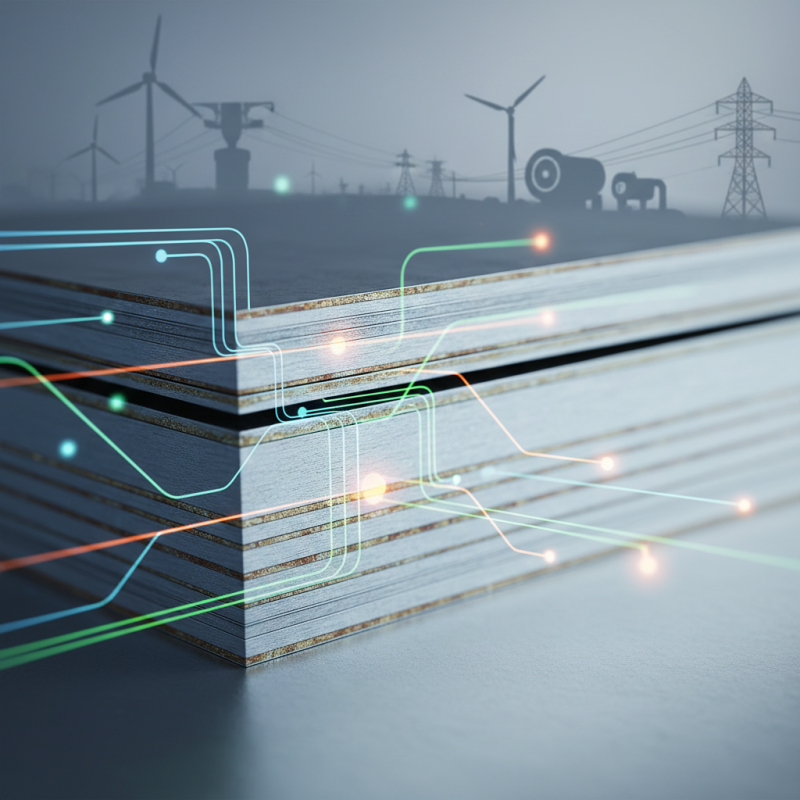
Electrical steel plays a vital role in the electrical industry. This unique material is essential for various applications, including transformers, motors, and generators. With a specific magnetic property, electrical steel improves efficiency by minimizing energy loss. Its use is crucial in enhancing the performance of electrical devices, especially in renewable energy systems.
Tips: When choosing electrical steel, consider its grade. Different grades have varied performance characteristics. This variation can significantly impact efficiency. Always factor in the desired application. Understanding the specifications can help in making informed decisions.
In practice, many manufacturers face challenges. The balance between cost and quality is often a dilemma. It’s essential to reflect on the options available. Not every supplier offers the same level of reliability. This reflection can lead to better choices in materials and ultimately boost overall performance.
Properties of Electrical Steel That Enhance Performance
Electrical steel plays a crucial role in various modern technologies. Its unique properties enhance performance in electric motors and transformers. This specialized steel exhibits low core loss, which improves energy efficiency. Lower loss means less wasted energy, contributing to sustainability.
One of the key properties of electrical steel is its high magnetic permeability. This allows for better magnetization with minimal energy input. Improved magnetization leads to efficient performance in electric devices. Additionally, the silicon content in electrical steel reduces conductivity, which is essential for high performance. However, controlling the silicon levels can be challenging and may require careful consideration during production.
Another important feature is its mechanical strength. While electric steel needs to be durable, it should also be malleable. Balancing these properties can be tricky. If the steel is too strong, it might not meet required shapes. If it’s too soft, it risks damage during operation. Finding the perfect balance remains a challenge for manufacturers and engineers alike.
Applications of Electrical Steel in Modern Technology
Electrical steel plays a crucial role in various modern technologies. Its unique magnetic properties allow it to enhance efficiency in motors, transformers, and generators. This optimization is vital in reducing energy losses during operation. By improving performance, electrical steel supports advancements in renewable energy and electric vehicles.
In the realm of electric motors, electrical steel is essential. Its high magnetic permeability boosts torque output and minimizes energy wastage. Moreover, modern electric vehicles rely on this material for efficient power conversion. Despite these benefits, many manufacturers face challenges in sourcing high-quality electrical steel. Quality varies, leading to unpredictability in performance.
Tips: Always consider production techniques when selecting materials. Different treatments can alter properties significantly. Additionally, stay informed about advancements in steel technology. Innovations could lead to better options with enhanced features. Balancing cost and quality is essential for optimal results.
Importance of Electrical Steel in Modern Technology
This chart illustrates the application areas of electrical steel in modern technology. The data reflects the estimated percentage of usage in various industries where electrical steel plays a crucial role.
Future Trends and Innovations in Electrical Steel Production
Electrical steel plays a crucial role in modern technology. As industries evolve, the demand for high-performance electrical steel increases. Future innovations focus on improving efficiency and reducing costs. According to a recent industry report, the global electrical steel market is expected to grow by 6.5% annually, reaching over $30 billion by 2027.
One emerging trend is the use of advanced coatings. These coatings improve magnetic properties and reduce energy losses. Research shows that tailored surface treatments can enhance performance but also increase production complexity. This raises questions about balancing quality against production efficiency.
Tips: Pay attention to supply chain sustainability. The demand for recycled materials is rising. Manufacturers must adapt to this trend. Another trend is the focus on digitalization in production. Implementing smart manufacturing techniques can streamline processes and improve quality control. The challenge lies in integrating new technologies without disrupting existing systems. Both suppliers and producers need to rethink their current strategies to stay ahead in the game.
Environmental Impact of Using Electrical Steel in Technology
Electrical steel plays a crucial role in modern technology. Its application spans across transformers, electric motors, and generators. However, the environmental impact of producing electrical steel is significant. According to a report from the World Steel Association, steelmaking accounts for about 7% of global CO2 emissions. This raises questions about sustainability and the environmental footprint of electrical steel.
The production process often involves extensive mining and energy consumption. The energy-intensive nature of steel production can lead to air and water pollution. In fact, the production of one ton of electrical steel can release up to 1.5 tons of CO2 into the atmosphere. These figures indicate a need for more sustainable practices. Efforts must focus on improving recycling methods. Recycled steel can significantly reduce emissions compared to virgin materials.
Innovations such as using renewable energy in manufacturing are promising. Yet, many facilities are still heavily reliant on fossil fuels. This inconsistency highlights the need for industry-wide commitment to greener technologies. Urbanization demands more electrical applications, making it essential to address these environmental concerns. Without action, the demand for electrical steel could exacerbate these issues further.